The Evolution of Film in 2025
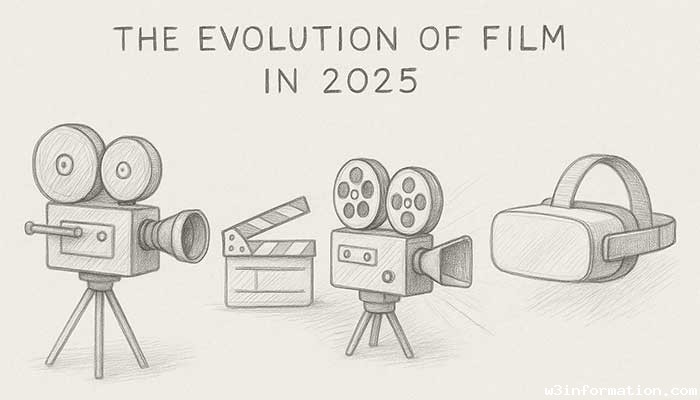
Film in 2025 is at a unique and exciting nexus of technological innovation, audience evolution, and global cultural exchange. From the earliest days of silent films to the rapid-fire digital transformations of the 21st century, the medium of film has adapted constantly to deliver compelling stories and sensory experiences to audiences. Looking ahead, this year represents an opportunity to explore where cinema is headed, highlighting shifts in production, distribution, narrative approaches, and consumer interaction with content. The evolution of film in 2025 will thus encompass a broad look at not only how movies are made, but how they are changing to remain relevant in an increasingly interconnected and digitized world.
- The Pioneering Impact of Technological Advancements on Filmmaking
- The Emergence and Popularization of VR and AR Films
- How AI and Machine Learning Contribute to the Creative Process
- Sustainability and Eco-Friendly Practices in Film Productions
- Increasing Representation and Inclusivity in Casting and Storytelling
- Streaming Services, Subscription Models, and the Streaming Revolution
- Interactive Storytelling and Non-Linear Film Formats
- Global Influences and Collaborative Productions
- The Resurgence of Classic Film Genres and Tropes
- The Interplay Between Films and Social Media Platforms
- Short Films, Anthologies, and Episodic Content in Cinematic Contexts
- Ethical Considerations and Challenges in Digital Manipulation
- Conclusion: Charting the Path Forward for Cinema Beyond 2025
- More Related Topics
The Pioneering Impact of Technological Advancements on Filmmaking
One of the primary forces in cinema’s ongoing evolution remains cutting-edge technology. Cameras capture 8K and higher resolutions, creating vivid images that immerse viewers. Artificial Intelligence (AI) streamlines scriptwriting, editing, and casting, enhancing productivity. Virtual production, proven by the success of shows like *The Mandalorian*, has grown up. Directors now film with green screens that react in real time to virtual surroundings. Filmmakers can create entire worlds without expensive location shoots or post-production green screen magic.
The Emergence and Popularization of VR and AR Films
Immersive, participatory storytelling emerges as a dominant force in 2025 through Virtual Reality (VR) and Augmented Reality (AR) films. Instead of traditional spectatorship, these formats position audiences as active participants within story worlds. Experiencing stories from multiple angles and characters’ perspectives becomes standard with affordable VR headsets and accessible content. Simultaneously, AR films overlay cinematic scenes onto the real world, merging fiction with reality in urban environments or living rooms. This evolution represents a shift in media, engaging consumers in unprecedented ways.
How AI and Machine Learning Contribute to the Creative Process
AI and machine learning play significant roles in modern filmmaking. These tools, previously confined to post-production enhancements, now support the filmmaking process from pre-production and development stages. AI algorithms use big data to parse viewers’ tastes, generating plot recommendations, generating dialogue, and even structuring narratives. Machine learning facilitates editors’ ability to quickly sort massive footage libraries, and cutting styles to better match pacing and emotions. AI-directed short films experiment in niche studios, raising questions about creativity, originality, and the value of human involvement in art.
Sustainability and Eco-Friendly Practices in Film Productions
Audiences and industry professionals in 2025 are increasingly aware of the environmental impact of film productions. Studios have responded by shifting toward sustainable practices, using eco-friendly sets and locations and sourcing energy sustainably. Green workflows now incorporate digital technologies to minimize waste while enforcing recycling on set. Studios and productions partner with environmental organizations to offset emissions and meet net-zero goals, leading to green film certifications. These new initiatives reflect a changing cultural landscape, with filmmakers recognizing their role in protecting the planet.
Increasing Representation and Inclusivity in Casting and Storytelling
The momentum towards increased representation and inclusion, gaining steady momentum over the last decade, culminates in full flower in 2025. Casting and storytelling in film and on television more faithfully reflect global demographics, across lines of race, ethnicity, gender identity, ability, and more. Moreover, a new diversity of voices, with more attention paid to authentic and underrepresented perspectives, makes stories richer and more varied than ever. These changes, which have long been demanded by audiences and industry professionals, resonate across global communities and break down long-held stereotypes within the industry.
Streaming Services, Subscription Models, and the Streaming Revolution
Streaming services in 2025 continue to revolutionize the distribution of film. Streaming and traditional viewing coexist through innovative hybrid release strategies like simultaneous theatrical and digital debuts, which combine the expansive reach and economics of streaming with cinema’s shared experience. Subscription models use sophisticated algorithms to deliver hyper-personalized recommendations, turning discovery and curation into interactive elements. Micro-cinemas, meanwhile, compete by offering curated screenings of specialty films and exclusive releases in boutique experiences. These adaptations demonstrate how audiences are redefining their access and enjoyment of film.
Interactive Storytelling and Non-Linear Film Formats
Filmmakers in 2025 continue to push narrative boundaries with new interactive and non-linear formats that give viewers agency to influence the story. Movies with branching paths, where audience choices affect the plot and endings, become more mainstream, blurring lines with gaming. Films and series in this style capitalize on repeat viewings and increased audience participation in the storytelling process. Production companies and streaming platforms continue to invest in interactive films, reflecting broader trends in cinematic engagement and exploration of innovative formats.
Global Influences and Collaborative Productions
Film in 2025 remains a global medium, with increasingly cross-cultural and international influences and collaborations. Studios in different countries co-produce, sharing creative and financial resources to access international markets and talents. Film festivals highlight global stories and voices, while streaming services offer worldwide releases simultaneously with new subtitling and dubbing technologies. The continued globalization of the medium allows for broader cultural exchanges and shared audience experiences across countries and language barriers.
The Resurgence of Classic Film Genres and Tropes
Film in 2025 experiences a resurgence and reimagining of classic genres and tropes, as new and traditional sensibilities blend. Filmmakers pay homage to film noir, musicals, westerns, and epic cinema while remixing them with 21st-century aesthetics, themes, and technologies. Fantasy settings with AI-generated imagery and storylines, for example, gain popularity among audiences with nostalgic, current cultural, and social interests. Blending classic and contemporary elements satisfies both legacy fans and younger consumers eager to see old ideas reimagined.
The Interplay Between Films and Social Media Platforms
Social media now plays a fundamental role in every aspect of filmmaking, from production through audience engagement and promotion. Viral marketing campaigns, influencer partnerships, and consumer-generated content and hashtag movements all form part of a high-visibility window before a film’s release. Some filmmakers and studios integrate audience content or ideas into movies while in development, establishing a new level of creator-consumer collaboration. This interactivity empowers consumers to drive conversations and take an active role in the storytelling process.
Short Films, Anthologies, and Episodic Content in Cinematic Contexts
Short films and episodic formats experience a renaissance in 2025, in line with audiences’ consumption habits that prioritize accessibility and brevity. Anthologies, short film collections, limited series, and experimental works appear on streaming platforms and in theaters, free from the constraints of feature-length storytelling. These shorter forms become showcases for up-and-coming filmmakers and provide established auteurs with outlets for creative experimentation. Serialized and episodic storytelling experiences on film screens blur the lines between movies and television series, offering audiences new ways to enjoy content.
Ethical Considerations and Challenges in Digital Manipulation
With digital technologies in film, deeper and more seamless content manipulation, questions of ethics and consent emerge. While digital de-aging, CGI resurrections, and realistic visual effects offer powerful storytelling tools, these techniques risk misuse, misinformation, and erasure of actors’ legacies and original performances. The film industry grapples with the development and enforcement of standards, regulations, and protections, especially for digital reproductions and use of performers’ likenesses. Discussions around the implications of technology in storytelling will shape the industry and its role in shaping truth and art.
Conclusion: Charting the Path Forward for Cinema Beyond 2025
The evolution of film in 2025 is a testament to the medium’s continuing reinvention and vitality. Pioneering technology, from virtual productions to AI collaboration, expands the storytelling toolkit available to filmmakers. Experimentation with new formats, genres, and viewing experiences like VR and interactive films empower audiences in the consumption process, while new narratives celebrate inclusivity, diversity, and globalism. At the same time, these films address the ethical implications of their work and their place in modern cultural and sociopolitical discourse. As film evolves to embrace this brave new world, the medium’s adaptability, and relevance in an increasingly digital world remain constant. The future of cinema is bright, as it continues to push boundaries and make room for new voices and ways of seeing.
 How to Make the Most of Your Holiday Break
 The Best Winter Destinations for a Cozy Getaway
 How to Organize Your Holiday Travel Plans with Ease
 The Ultimate Guide to Cooking for a Crowd
 How to Make Healthy Comfort Food Without the Guilt
 5 Delicious Vegan Breakfast Ideas You Can Make in Minutes