How to Create a Delicious Charcuterie Board for Any Occasion
Charcuterie boards are the gift that keep on giving. Savory, delicious, and always a crowd-pleaser, a well-crafted charcuterie board can liven up any occasion, from a casual weekend meal to a fancy date night or a holiday dinner with friends. Beyond the deliciousness and ease of a charcuterie board, though, is the creativity and connection it can spark. Creating and serving a charcuterie board brings people together to share a meal, enjoy delicious foods, and discover new combinations and flavors. The key is knowing how to put one together. This ultimate guide to making a charcuterie board is the key to crafting an elegant, balanced board that is sure to impress guests.
- Choosing the Right Board or Platter
- Selecting the Perfect Cheeses
- Curating Your Meats
- Adding Fruits and Vegetables
- Including Crunchy Elements
- Spreads, Dips, and Condiments
- Thoughtful Pairing of Flavors
- Arranging the Board with Visual Appeal
- Adding Beverages to Complement the Board
- Planning for Dietary Preferences
- Seasonal and Themed Boards
- Finishing Touches and Presentation Tips
- Conclusion: Craft Charcuterie Boards with Confidence
- More Related Topics
Choosing the Right Board or Platter
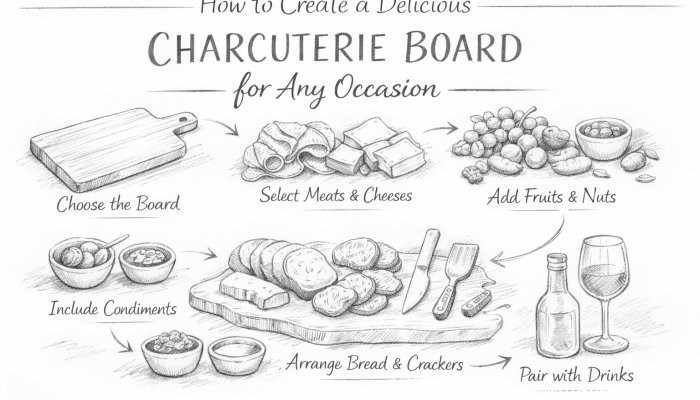
The first step to building a charcuterie board is selecting the perfect board or platter for the occasion. Whether you use a wooden cutting board, a slate platter, or a ceramic tray, the key is to provide a clean, sturdy surface for your items. Opt for a larger board or platter to give yourself flexibility in arrangement. Smaller boards are great for intimate gatherings, allowing for more intentional pairings. Match the style of the board to your event: rustic wooden boards for a cozy, casual vibe; slate or marble for a more elegant presentation. Ensure there is enough space on the board for all of your items, without crowding, so everything is visually appealing and easy to access.
Selecting the Perfect Cheeses
Cheese is the heart and soul of a charcuterie board. Aim for a balance of textures and flavors: soft, semi-hard, and hard, as well as mild and bold. A good rule of thumb is to choose three to five types of cheese. Include a creamy soft cheese like Brie or Camembert, a semi-hard cheese like Gouda or Cheddar, and a hard cheese like Manchego or Parmesan. Consider a blue cheese for an optional bold and tangy option. Incorporate one or two local or artisanal cheeses to add a personal touch. Slice some cheeses and leave others crumbled or in wedges to encourage guests to try different combinations and start a conversation.
Curating Your Meats
Cured meats are a must for any charcuterie board, adding protein, richness, and depth. Include a variety of textures and flavors, such as prosciutto, salami, chorizo, or soppressata. Fold the meat slices into interesting shapes, like roses or waves, to add visual appeal to the presentation. Estimate one to two ounces of meat per guest, and consider pairing different meats with cheeses, fruits, and spreads to create complementary and surprising flavor combinations.
Adding Fruits and Vegetables
Fresh and dried fruits are essential for adding color, sweetness, and freshness that balance the richness of cheeses and meats. Popular choices include grapes, figs, berries, and apple or pear slices. Roasted or pickled vegetables, such as cherry tomatoes, baby carrots, or marinated peppers, can add tang and texture to the board. Scatter fruits and vegetables in small groups or clusters for a natural, abundant appearance, and to make the board look appealing and plentiful.
Including Crunchy Elements
Texture is important for a memorable charcuterie board. Add in some crunch with crackers, breadsticks, crostini, or toasted nuts. Include a variety of shapes, sizes, and flavors: seeded crackers, thin baguette slices, or flavored nuts provide a pleasing contrast to soft cheeses and savory meats. Arrange these in small piles or sprinkle them across the board, making sure they are easily accessible to pair with other items on the board, without dominating or overwhelming the overall appearance.
Spreads, Dips, and Condiments
Spreads and dips are a wonderful addition to a charcuterie board, adding richness and complexity to the tasting experience. Mustards, honey, fig jam, olive tapenade, or a creamy pâté are all delicious options that pair well with meats and cheeses. Serve spreads in small bowls or ramekins to keep them contained. Experiment with sweet, savory, and tangy spreads to encourage guests to mix and match, creating unique flavor combinations that excite the palate.
Thoughtful Pairing of Flavors
Pairing is an essential part of making a charcuterie board shine. Match salty cheeses with sweet fruits, or pair rich meats with tangy spreads and dips. Play with contrasting textures, such as soft cheeses with crunchy crackers or dry salami with juicy grapes. Consider using seasonal or regional flavors to add cohesion to the board. Thoughtful pairing is the secret to ensuring each bite is a burst of balanced and dynamic flavor.
Arranging the Board with Visual Appeal
The best charcuterie boards are works of art. Start by placing larger items like cheeses and bowls or ramekins at different points on the board. Fill in the gaps with meats, fruits, vegetables, and crunchy elements, arranging in layers of color and texture for contrast and interest. Aim for a natural, abundant look rather than a rigidly symmetrical one. Garnish the board with fresh herbs, edible flowers, or microgreens for a final touch. The visual appeal of a well-crafted board can enhance anticipation, making guests excited to taste before they even take a bite.
Adding Beverages to Complement the Board
Pairing drinks with your charcuterie board completes the experience. Wines are the classic choice: a crisp Sauvignon Blanc, a bold Cabernet Sauvignon, or a bubbly Rosé can pair beautifully with a range of cheeses and meats. Non-alcoholic options, like sparkling water, grape juice, or herbal teas, can also pair well with the flavors on the board, without overwhelming them. Provide suggested pairing options next to the board, to help guests explore and enjoy the full tasting experience.
Planning for Dietary Preferences
Charcuterie boards can accommodate any dietary preferences or restrictions. Include vegetarian options, like roasted vegetables, hummus, or plant-based cheeses. Offer gluten-free crackers or bread alternatives for those with gluten sensitivities. Be mindful of nut allergies, and label ingredients clearly, or offer alternatives for everyone. Thoughtful planning can ensure that all guests feel included and satisfied, enhancing the social and culinary experience of the gathering.
Seasonal and Themed Boards
Charcuterie boards can be tailored to the season or occasion, adding flair and personality to the event. Roasted squash, cranberries, or maple-glazed nuts are great additions to a fall-themed board. Summer charcuterie boards shine with fresh berries, peaches, and vibrant greens. Holiday boards can incorporate themed elements like red and green grapes, spiced nuts, or festive cheeses. Seasonal touches can make your board feel timely and intentional, and can become a conversation starter for guests who notice and appreciate them.
Finishing Touches and Presentation Tips
Finally, the small details can make a good charcuterie board a great one. Consider investing in small cheese knives, spreaders, and tongs to make serving and sampling easier. Try arranging your items in groups of three or five for a pleasing visual rhythm and balance. Sprinkle herbs, drizzle honey, or add edible flowers for an elegant touch. Presentation matters: candles, a thoughtfully set table, and glassware enhance the experience and make it feel intentional and celebratory. These final touches can make your board not only delicious, but visually stunning as well.
Conclusion: Craft Charcuterie Boards with Confidence
Crafting a charcuterie board is an art that combines flavor, texture, and aesthetics in a delicious package. With the right ingredients, creative pairing, and attention to detail, anyone can build a charcuterie board that is elegant, balanced, and sure to impress guests. Whether you are hosting a casual gathering, a fancy date night, or a holiday dinner, a charcuterie board is a versatile, crowd-pleasing centerpiece that allows for customization and creativity. Incorporate seasonal elements, try themed or specialty boards, and focus on presentation, and you will not only have a delicious board to enjoy, but one that is a feast for the eyes. Follow this guide and build your own charcuterie board to explore the culinary and social benefits of this delicious tradition.
 How to Make the Most of Your Holiday Break
 The Best Winter Destinations for a Cozy Getaway
 How to Organize Your Holiday Travel Plans with Ease
 The Ultimate Guide to Cooking for a Crowd
 How to Make Healthy Comfort Food Without the Guilt
 5 Delicious Vegan Breakfast Ideas You Can Make in Minutes