5 Emerging Trends in the Visual Arts Scene
The visual arts scene is a dynamic landscape, continually evolving as artists push creative boundaries and audiences’ tastes shift in response to cultural, technological, and social changes. In recent years, an array of fresh trends has begun to reshape how art is conceived, produced, and experienced. From the integration of cutting-edge technology to an increased emphasis on inclusivity and sustainability, these developments not only reflect the current zeitgeist but also point toward the future of artistic expression. This article delves into five emerging trends that are transforming the visual arts world, offering insights into how artists, curators, collectors, and viewers are engaging with art in innovative and meaningful ways.
- Digital and NFT Art Revolutionizing Ownership
- The Intersection of AI and Art Creation
- Eco-friendly and Sustainable Art Practices
- Diversity and Inclusion in Art Representation
- Immersive and Interactive Art Installations
- The Renaissance of Traditional Craftsmanship
- The Rise of Globalization and Cross-Cultural Influences
- The Impact of Social Media on Art Consumption and Trends
- Art Activism and Social Commentary in Times of Crisis
- Personalized and Customized Art Commissions and Galleries
- Conclusion: The Future of Visual Arts Trends
- More Related Topics
Digital and NFT Art Revolutionizing Ownership
Digital art, already a growing category, has experienced a new surge in popularity and visibility with the rise of blockchain technology and non-fungible tokens (NFTs). NFTs allow artists to authenticate and sell digital artworks directly to collectors and other buyers, while also ensuring they retain control over how their works can be reproduced and distributed. This trend is giving rise to a new generation of digital artists who create one-of-a-kind art pieces, often in the form of animations, interactive installations, or virtual reality experiences. It also blurs the boundaries between traditional and digital art markets, disrupting long-held notions of art valuation and ownership.

The Intersection of AI and Art Creation
Artificial intelligence (AI) is making its way into the world of art creation as a tool for augmenting and expanding creative possibilities. Artists are using machine learning algorithms to generate works that challenge our preconceptions about authorship, originality, and creativity in art. AI-generated art is being produced in various styles, including photorealistic renderings, abstract compositions, and reinterpretations of classic masterpieces. These collaborations between human artists and machine learning models are pushing the limits of what is possible in art, opening up new avenues for creative expression.
Eco-friendly and Sustainable Art Practices
Climate change and environmental degradation have made their mark on the art world as well, with a growing number of artists incorporating eco-conscious themes and materials into their work. Sustainable art practices range from using recycled or upcycled materials in physical artworks, to exploring conservation messages and climate change activism through conceptual art pieces. There is also a push towards energy-efficient lighting and climate control in art exhibitions, as well as more responsible sourcing practices for materials. Artists are using their work to spread awareness, engage audiences, and inspire action on important environmental issues.
Diversity and Inclusion in Art Representation
Another major trend in the visual arts world is the continued push for diversity and inclusion in terms of representation. Artists from historically underrepresented groups are gaining more visibility and recognition, bringing a wealth of new perspectives and narratives to the fore. Museums, galleries, and other art institutions are also making efforts to showcase a more diverse range of artists and artworks, and to engage with diverse audiences in meaningful ways. This shift towards a more equitable and inclusive art scene benefits everyone by broadening engagement and breaking down outdated cultural assumptions.
Immersive and Interactive Art Installations
Audiences today are increasingly seeking immersive and interactive experiences, and the world of art is responding with more experiential installations. Artists are creating multisensory environments that engage viewers on a deeper level, combining visual art with soundscapes, tactile elements, and even scents. These installations may also feature elements of virtual or augmented reality, taking immersion to new heights and allowing viewers to fully engage with the artwork. Interactive technologies are also allowing for personalized and customizable art experiences, as viewers can choose how they want to engage with a piece or even modify it themselves.
The Renaissance of Traditional Craftsmanship
In contrast to the rise of digital and technology-driven art forms, there is also a notable trend towards reviving and reimagining traditional craft techniques. Many artists are returning to techniques like weaving, ceramics, printmaking, and hand painting, among others, to create visually stunning and often time-intensive works. This resurgence in traditional craftsmanship is about honoring the artistry of the artisanal process, and the unique tactile quality of handmade art in the digital age. By drawing on both past and present, these works provide continuity and context for artists and viewers alike in a rapidly changing art world.
The Rise of Globalization and Cross-Cultural Influences
Artists today are more globally connected than ever before, thanks to social media, increased travel opportunities, and cross-cultural collaborations. This has resulted in a rapid exchange of ideas and artistic influences across different traditions and regions of the world. Hybrid styles and cross-cultural art dialogues are increasingly common, producing works that speak to both universal themes and local identities. Global art events like biennales and international group exhibitions have also become key venues for showcasing this diversity of artistic practice and perspective.
The Impact of Social Media on Art Consumption and Trends
The world of social media has had a major impact on the visual arts landscape, not only in terms of how art is shared and discovered, but also how it is made and collected. Platforms like Instagram, TikTok, and Pinterest have democratized access to art and provided a fast, visual format for artists to showcase their work and engage with audiences. The algorithms and feedback loops of social media also play a role in shaping art trends and movements, allowing for rapid dissemination and viral uptake of new styles and ideas. This can be a double-edged sword for artists and institutions, as trends can change quickly and have a profound impact on the economics of the art world.
Art Activism and Social Commentary in Times of Crisis
Art has always played a role in times of social upheaval and crisis, and today is no exception. The visual arts scene is increasingly shaped by and reflecting on the major societal issues of the day, including inequality, human rights, climate change, and more. Artists are producing thought-provoking and sometimes confrontational work that challenges existing systems and ideologies, while museums and galleries are programming socially engaged exhibitions that seek to foster dialogue and community. Art can be a powerful tool for raising awareness, fostering empathy, and driving positive change in times of crisis.
Personalized and Customized Art Commissions and Galleries
Personalization is becoming a major factor in how art is both sold and experienced, as advances in technology allow for greater customization of both art pieces and viewing experiences. Viewers are also able to modify or choose how they want to engage with artworks in many cases, creating personalized meanings that are unique to them. In addition, artists are increasingly offering commissioned works that are tailored to a buyer’s specific tastes and preferences. This level of customization speaks to a broader cultural shift towards more individualized and experiential consumption, and a move away from static and one-size-fits-all art viewing.
Conclusion: The Future of Visual Arts Trends
The world of visual arts is constantly changing and evolving, driven by a complex interplay of artistic, social, economic, and technological forces. In recent years, we have seen the emergence of many new trends and movements that are reshaping the art world, from the rise of digital and NFT art to the intersection of AI and art creation. As technology continues to push the boundaries of what is possible, we can also expect to see even more innovation and disruption in the years to come. At the same time, traditional art forms and techniques will likely continue to be reimagined and reinterpreted by artists working across different media and disciplines. Ultimately, the future of visual arts trends will be shaped by a diversity of voices, perspectives, and practices that challenge and enrich our understanding of what art can be.
 Big O Notation Explained for Beginners
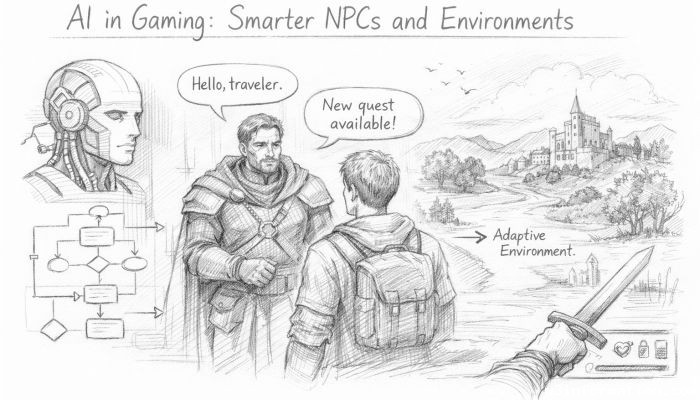 AI in Gaming: Smarter NPCs and Environments
 Understanding Bias in AI Algorithms
 Introduction to Chatbots and Conversational AI
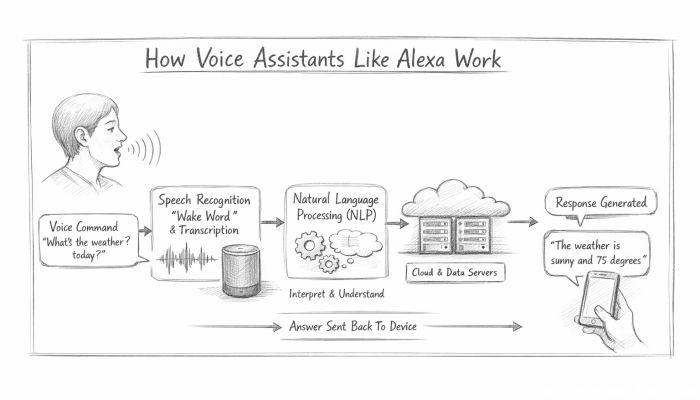 How Voice Assistants Like Alexa Work
 Federated Learning: AI Without Sharing Data