The Best Modern Artists Who Are Redefining the Art World
Art is an integral part of human expression, culture, and history, and the world of contemporary art is no exception. It is a dynamic and ever-changing realm where modern artists are pushing boundaries, challenging conventions, and redefining the very essence of creativity. These artists are not just creating visually stunning pieces; they are using their art as a powerful medium to communicate messages, evoke emotions, and inspire change. They explore themes as diverse as identity, technology, politics, and the environment, offering their unique perspectives and interpretations. Following their journey is not only an inspiring and awe-inspiring experience but also a way to gain deeper insights into the modern art scene and the minds of these talented visionaries. In this article, we will explore the works of some of the most influential modern artists and how they are redefining the world of art today.
- Yayoi Kusama: A Journey into Infinity
- Banksy: Subversion in Stencil
- Ai Weiwei: Art Activism and Social Commentary
- Marina Abramović: The Body as Medium
- Kehinde Wiley: Portraiture with a Twist
- Jenny Holzer: Words as Visual Art
- Olafur Eliasson: Nature, Perception, and Immersion
- Takashi Murakami: High Art Meets Pop Culture
- Tracey Emin: Raw Emotion and Confessional Art
- Julie Mehretu: Mapping Identity and History
- Shirin Neshat: Diaspora and the Female Experience
- Damien Hirst: Pushing Boundaries in Conceptual Art
- Conclusion
- More Related Topics
Yayoi Kusama: A Journey into Infinity
Yayoi Kusama, a Japanese avant-garde artist, has been a significant influence on the contemporary art scene. Her signature style, characterized by polka dots and immersive installations, is both mesmerizing and thought-provoking. Kusama’s work spans painting, sculpture, performance, and installation art, often delving into themes of repetition, obsession, and the cosmos. Her Infinity Rooms, in particular, transport viewers into fantastical worlds of endless reflections, inviting introspection and exploration. Kusama’s art is not just visually captivating but also deeply personal, often serving as a conduit for her own experiences with mental health and self-identity. Following Kusama’s work provides an opportunity to journey through the artist’s mind, unraveling the mysteries of infinity and the power of self-expression.

Banksy: Subversion in Stencil
Banksy, the enigmatic and anonymous British street artist, has become a household name in the world of modern art. His art is provocative, often political, and always delivered with a touch of humor and wit. Banksy’s work is instantly recognizable, with his signature stencil technique and iconic imagery, such as rats, policemen, and children. His art can be found on walls, bridges, and street corners around the world, bringing thought-provoking messages to the masses. Banksy’s work challenges authority, social norms, and the very concept of ownership in art. Following Banksy’s work is an exercise in deciphering the meaning behind each piece, and gaining a fresh perspective on the world around us.
Ai Weiwei: Art Activism and Social Commentary
Ai Weiwei, a Chinese artist, activist, and curator, uses his art as a platform for social and political commentary. His work spans sculpture, installation, architecture, and filmmaking, often highlighting human rights, freedom of expression, and political corruption. Ai Weiwei’s art is bold and unapologetic, combining traditional Chinese craftsmanship with modern and often subversive ideas. His famous Sunflower Seeds installation at the Tate Modern involved millions of hand-painted porcelain seeds, representing both the beauty and fragility of human life. Following Ai Weiwei’s work is not only a way to appreciate his unique vision and artistry but also an opportunity to engage with important social and political issues.
Marina Abramović: The Body as Medium
Marina Abramović, a Serbian performance artist, is known for her physically and emotionally intense performances that test the limits of both the artist and the audience. Abramović’s work is deeply personal, often exploring themes of pain, endurance, trust, and human connection. One of her most famous pieces, The Artist Is Present, involved sitting silently at a table in the Museum of Modern Art in New York while museum visitors took turns sitting across from her. Following Marina Abramović’s work is an invitation to explore the power of presence, vulnerability, and the human body as a medium for art.
Kehinde Wiley: Portraiture with a Twist
Kehinde Wiley is an American portrait artist known for his vibrant, large-scale paintings that celebrate Black identity and culture. Wiley’s work is a fresh take on portraiture, as he often reimagines the style and poses of classical European paintings, replacing the original subjects with people from underrepresented communities. His portraits are dynamic, full of energy, and often feature bold, swirling patterns and floral motifs. Kehinde Wiley’s art is both a celebration of Black culture and a challenge to the traditional canon of Western art history. Following his work is a chance to experience the power of portraiture and the beauty of cultural diversity.
Jenny Holzer: Words as Visual Art
Jenny Holzer is an American conceptual artist who has been using language as her primary medium since the 1970s. Her work often features short, provocative statements or quotations projected onto public buildings, or displayed on LED installations and neon signs. Holzer’s work challenges the viewer to confront important social, political, and philosophical issues in a direct and unambiguous way. Her art is often displayed in public spaces, blurring the line between traditional gallery art and public engagement. Following Jenny Holzer’s work is a chance to engage with the power of language and how it can be used as a tool for art and activism.
Olafur Eliasson: Nature, Perception, and Immersion
Olafur Eliasson is a Danish-Icelandic artist known for his large-scale installations that explore the intersection of art, science, and environmental consciousness. Eliasson’s work often features immersive and interactive elements, inviting the viewer to experience art in a new and different way. His work often blurs the line between the natural and the artificial, and between the gallery and the outside world. Olafur Eliasson’s art is a reminder of the power of nature, the beauty of perception, and the importance of sustainability. Following his work is a chance to engage with art on a sensory and intellectual level.
Takashi Murakami: High Art Meets Pop Culture
Takashi Murakami is a Japanese artist known for his vibrant, cartoonish paintings and sculptures that blur the line between high art and popular culture. Murakami’s work often features characters and motifs from anime, manga, and Japanese pop culture, as well as traditional Japanese art forms such as ukiyo-e. His art is often playful, full of color, and often contains hidden messages and references. Takashi Murakami’s work is a celebration of both Japanese culture and contemporary art, and following his work is a chance to engage with both.
Tracey Emin: Raw Emotion and Confessional Art
Tracey Emin is a British artist known for her deeply personal and confessional artworks, often dealing with themes of love, trauma, sexuality, and identity. Emin’s work often incorporates autobiographical elements, and she has never shied away from exploring her own life and experiences in her art. Her art is raw, unfiltered, and often controversial, challenging traditional ideas about beauty and propriety in art. Tracey Emin’s work is a reminder of the power of art to express emotion, vulnerability, and the human experience. Following her work is a chance to engage with art on a personal and emotional level.
Julie Mehretu: Mapping Identity and History
Julie Mehretu is an Ethiopian-American artist known for her large-scale abstract paintings that explore the relationship between geography, history, and urban landscapes. Mehretu’s work is characterized by intricate and layered compositions, often featuring maps, architectural references, and gestural markings that convey a sense of movement and displacement. Her work challenges traditional ideas about abstraction and often incorporates both personal and collective experiences. Following Julie Mehretu’s work is a chance to engage with art as a lens for examining contemporary society and global interconnectedness.
Shirin Neshat: Diaspora and the Female Experience
Shirin Neshat is an Iranian artist known for her photography, video, and film work that explores themes of identity, gender, and cultural displacement. Neshat’s work often features women in Islamic societies, exploring issues of power, oppression, and resistance. Her work is both visually striking and politically charged, and often combines beauty with commentary on contemporary social and political issues. Following Shirin Neshat’s work is a chance to engage with art as a tool for giving voice to underrepresented communities and fostering cross-cultural dialogue.
Damien Hirst: Pushing Boundaries in Conceptual Art
Damien Hirst is a British artist known for his provocative and often controversial work that challenges traditional ideas about art and its value. Hirst’s work often explores themes of death, mortality, and the fragility of life, and is often created in a clinical, detached style. He has also been a leading figure in the Young British Artists movement, and his work has often pushed the boundaries of what is considered art, both visually and conceptually. Following Damien Hirst’s work is a chance to engage with art as both a visual and intellectual experience, and to explore the power of art to provoke and inspire.
Conclusion
The world of contemporary art is vast, diverse, and ever-changing, and the artists featured in this article represent only a small fraction of the many talented and innovative individuals working in the field today. Each artist has their own unique style, themes, and artistic vision, and following their work is a chance to engage with art on a personal and emotional level. Whether you are drawn to the immersive installations of Yayoi Kusama, the bold portraiture of Kehinde Wiley, or the social commentary of Ai Weiwei, there is something for everyone in the world of modern art. By exploring the works of these and other contemporary artists, you can gain a deeper appreciation for the power of art to inspire, provoke, and transform, and to discover new ways of seeing and understanding the world around you.
 Big O Notation Explained for Beginners
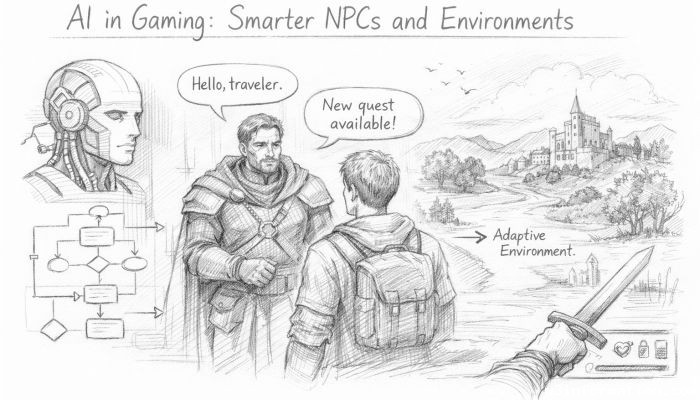 AI in Gaming: Smarter NPCs and Environments
 Understanding Bias in AI Algorithms
 Introduction to Chatbots and Conversational AI
 How Voice Assistants Like Alexa Work
 Federated Learning: AI Without Sharing Data