10 Essential Books Every Film Buff Should Read
If you have ever dived into the world of cinema and started to look deeper into its forms and meanings, you might realize that there is so much more to learn than what appears on screen. Books about film history, theory, and industry, as well as memoirs of filmmakers, screenwriters, and actors, open a brand new dimension of understanding. In our post, we’ve put together a collection of must-read books for every film buff—whether you have a professional interest in the art form, or just simply love to watch movies. Each title on this list will reveal a different aspect of cinema and will teach you to better understand it and approach it. Let’s get started!
- *Making Movies* by Sidney Lumet
- *Film Art: An Introduction* by David Bordwell and Kristin Thompson
- *Hitchcock/Truffaut* by François Truffaut
- *Adventures in the Screen Trade* by William Goldman
- *The Story of Film* by Mark Cousins
- *On Directing Film* by David Mamet
- *Rebel without a Crew* by Robert Rodriguez
- *Cinema Paradiso and Italian Neorealism* (Essay Collection)
- *The Cinema of Wes Anderson: Bringing Nostalgia to Life* by Ian Nathan
- *The Devil's Candy: The Anatomy Of A Hollywood Fiasco* by Julie Salamon
- *Making a Good Script Great* by Linda Seger
- *The Wes Anderson Collection* by Matt Zoller Seitz
- Conclusion
- More Related Topics
*Making Movies* by Sidney Lumet
Sidney Lumet was a director whose works have defined American cinema. In his *Making Movies* , he shares his professional experience and wisdom. The book is both instructive and entertaining because Lumet tells stories about his life and work with humor and frankness. He approaches the theory of directing with a focus on practicality, saying that any director has to be a manager first. He also addresses his interactions with actors and the overall psychology of a movie set. He shares many small but vivid details about his filmmaking process and gives stories about the making of some of his most famous films, such as 12 Angry Men or Network .

*Film Art: An Introduction* by David Bordwell and Kristin Thompson
Film Art is one of the best film studies textbooks, written by film scholars David Bordwell and Kristin Thompson. In their book, they present the most comprehensive and yet at the same time, the most accessible introduction to the art and form of cinema. In the pages of the book, they discuss the film language and film literacy and guide the reader through the specifics of the film technique. Film Art offers a solid overview of all major topics—from understanding the narrative structure to cinematography, editing, sound, mise-en-scene, and much more. Most importantly, Bordwell and Thompson’s approach is very reader-friendly, with concrete examples from both classic and contemporary movies that enliven the content. Reading this book will give any film buff the basic skills to read films in a critical way and the ability to understand the artistic choices that drive the movie-viewing experience.
*Hitchcock/Truffaut* by François Truffaut
A key work in film studies and criticism that will take any cinephile deep into the mind of one of the most legendary filmmakers, Alfred Hitchcock. This book is a product of several long interviews that Truffaut, a renowned French New Wave director, did with Hitchcock in the 1960s, going through his entire filmography. The main topics of the book are the analysis of his plots, camera angles, and psychological elements of Hitchcock’s style. This is not a simple celebratory history of Hitchcock’s best movies, such as Psycho, Vertigo, or North by Northwest ; it is an in-depth conversation that gives the readers an inside look into the thinking behind a masterful thriller and suspense style that has shaped the genre as we know it today.
*Adventures in the Screen Trade* by William Goldman
If you have ever thought about what it takes to make a good movie or how Hollywood works from the inside, this is the book you will find most useful. Adventures in the Screen Trade is a unique blend of a memoir and a book of professional advice and anecdotes written by one of the most talented Hollywood screenwriters William Goldman. He is the author of screenplays for many classic and beloved films such as Butch Cassidy and the Sundance Kid , Marathon Man , The Princess Bride, and others. In his book, Goldman reflects on his career and the process of screenwriting, which many people rarely get to see. He also has unique insight into how the movie business operates and how many invisible forces and decisions affect which stories reach the screens and what doesn’t. This is a must-read for any film lover who is also interested in story, screenwriting, and the inner workings of the industry.
*The Story of Film* by Mark Cousins
In The Story of Film, author Mark Cousins gives a sweeping account of the history of cinema from its very beginnings to today. He takes the reader on a journey through filmmaking history and film movements and provides an overview of the most important changes in style, technology, and narratives of the films. The book is interesting in its overall approach, as it does not focus on Hollywood exclusively but instead, presents a global view of cinema as an art form that was shaped by different countries and cultures at different times. This is a great choice for any film buff who wants to have a better context for what they are watching today and to learn more about what shaped cinema over the years.
*On Directing Film* by David Mamet
David Mamet is an American playwright, screenwriter, film director, and essayist who is well known for his sharp wit and philosophical approach to art and communication. In On Directing Film , he shares his practical wisdom on directing films and his view on the discipline in a conversational style and with a perfect economy of words. This book is all about the craft of filmmaking and includes advice on and practical instructions for producing better films. Mamet advocates a clear, visual way of thinking, emphasizing the need for concise storytelling and only choosing what is worth showing. Film buffs and cinephiles who are interested in directing will find this book both inspirational and educational. This is especially useful if your goal is to create your own movies because Mamet’s book will help you to focus on what is most important.
*Rebel without a Crew* by Robert Rodriguez
In his book, Robert Rodriguez tells the story of his rise as a filmmaker, beginning with the adventure of his very first movie El Mariachi , a feature-length film that he produced and shot on a budget of only $7000. This is a manifesto of the DIY approach and a must-read for anyone with a dream of becoming a filmmaker. It is a chronicle of a young man who defied the odds, a lot of hard work, and ingenuity of a self-taught director and writer who did not know how much he didn’t know. The book is conversational, motivating, and educational. It includes a lot of practical and useful tips for producing a film on a shoestring budget.
*Cinema Paradiso and Italian Neorealism* (Essay Collection)
Italian Neorealism as one of the most influential and important movements of world cinema was famous for its realistic, earthy, and humane approach to filmmaking, and it’s one of the most recognizable styles even today. Reading a collection of essays on Cinema Paradiso and Italian Neorealism as a whole will give any film buff the tools for understanding how cinema can and does capture social realities in their raw forms and through this, resonate with the viewers. The book will also provide a historical and social context for better understanding the thematic explorations of poverty, resistance, and life in many neorealist movies. The particular importance of this movement for world cinema as a whole is in its championing of authenticity, social relevance, and a documentary-like style. This book will open your eyes to the history of this approach to filmmaking, as well as to films that deserve to be called not only entertainment but an instrument of cultural change.
*The Cinema of Wes Anderson: Bringing Nostalgia to Life* by Ian Nathan
For those who have found a unique visual and storytelling style of Wes Anderson so irresistible that you want to know more about it, this monograph will be your go-to. Ian Nathan, in his book, takes an in-depth look at the American director, writer, and producer known for his quirky films with symmetrical compositions and saturated color palettes, whimsical stories, and nostalgic undertones, such as Rushmore , The Royal Tenenbaums , and Moonrise Kingdom . The author devotes his attention to Anderson’s feature films, which he examines through close reading and textual analysis. The monograph also includes interviews with the director, other members of his production team, and many other people associated with the creation of the most iconic moments in Anderson’s cinematic universe. This book will give the reader an opportunity to expand their understanding of a truly modern auteur whose highly stylized universe is one of the most fascinating ones in current filmography.
*The Devil's Candy: The Anatomy Of A Hollywood Fiasco* by Julie Salamon
There are stories of many successful and highly profitable films, but there are just as many untold stories of those that did not live up to their initial promise, or, in some cases, sank before they could even get off the ground. In The Devil’s Candy , Julie Salamon tells the story of Brian De Palma’s Bonfire of the Vanities, which failed both critically and financially and took down one of the most reputable producers in the industry. The book is an in-depth journalistic and narrative account of what happened during the production and what ultimately led to a fiasco. For the real film buff, this book and the story it tells provide a sobering contrast to all the excitement of Oscar nights and glamour of red carpets. The Devil’s Candy is a close examination of an industry that is at times too frail to sustain its own artistic ambitions and, at the same time, just shakily balanced enough to keep us coming back for more. It is a fascinating case study of the vulnerabilities of an industry in which the stakes could not be higher.
*Making a Good Script Great* by Linda Seger
The first step to understanding the filmmaking process is to start from its very beginning: the script. In her book, Linda Seger talks to the reader about the narrative structure, character development, thematic cohesion, and other elements of scriptwriting that make for a successful and effective movie script. She also offers guidance to the novice scriptwriters as well as to those who are more experienced but struggle with improving their writing. The main goal of the book is to examine and elaborate on the ideas and techniques that are necessary to transform a good script into a great one. As a non-fiction book dedicated to screenwriting, Making a Good Script Great is a must-read for every film buff who is interested in learning more about the nitty-gritty of creating compelling and well-made stories.
*The Wes Anderson Collection* by Matt Zoller Seitz
In this companion to our previous item on Wes Anderson, The Wes Anderson Collection is a richly illustrated homage to the work of the director. This book is written by Matt Zoller Seitz, film critic, and journalist, who combines his own elaborate analysis with the storyboards, photographs, and interviews of the people involved in the process. This is a great source of information about the cinematic universe created by one of the most successful contemporary filmmakers. The book will also show you a great deal about the film production process as well as Anderson’s dedication to creating the perfect movie and the influence that his family and home life have had on his filmmaking choices. If you are a film buff with an eye for art, you will also not be disappointed, as the connection between Anderson’s unique style and visual sensibilities and many aspects of the art world is well documented and referenced in the book.
Conclusion
Film is a world of its own, both very big and very intricate, which takes more than just movie-watching to truly appreciate. The ten must-read books for any film buff will get you introduced to and oriented in the medium, its theory and practice, its history, and its industry. Books about film by filmmakers, critics, and scholars will help you to develop a more nuanced understanding of how cinema works and the skill of ‘reading’ a movie. We hope that the titles we have suggested in this article will help you to find the book that will transform your experience from simply enjoying the show to experiencing it as a true art form.
 Big O Notation Explained for Beginners
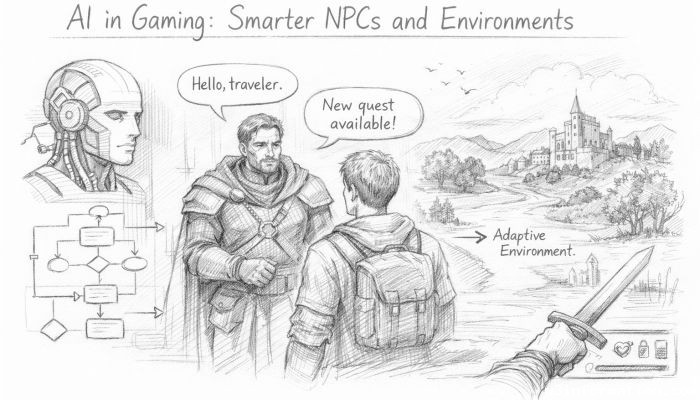 AI in Gaming: Smarter NPCs and Environments
 Understanding Bias in AI Algorithms
 Introduction to Chatbots and Conversational AI
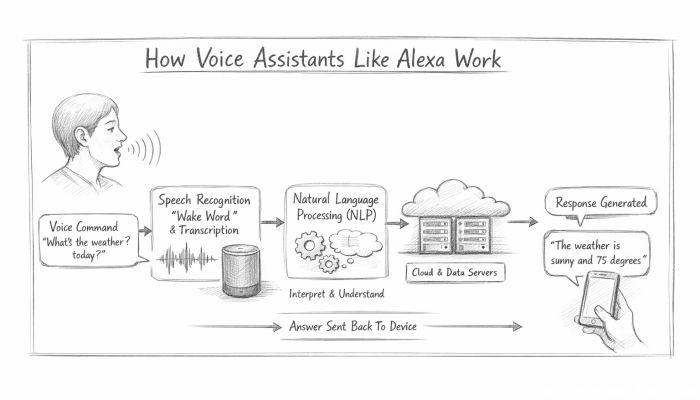 How Voice Assistants Like Alexa Work
 Federated Learning: AI Without Sharing Data