The Best Contemporary Art Museums You Need to Visit
Contemporary art makes you pause in the middle of your thoughts. It can disturb, provoke, comfort, and unsettle all at once. If classical art looks to the past, contemporary art stares you in the face. It’s a way of understanding the world you’re living in now, with all its anxieties and hopes, politics and technology, trends and identities.
Visiting a contemporary art museum is about entering that conversation.
Across the world, museums and institutions are becoming cultural destinations, sites for experimentation, and incubators of big ideas. Whether it’s museums that define a city skyline or tiny neighborhood galleries operating on a shoestring, contemporary art is reinventing how we experience art.
In this guide, we’ll take you around the world to visit the best contemporary art museums. Each of these collections, curations, and cultural institutions offer a window into the human imagination and modern creativity.
What makes a great contemporary art museum?
A contemporary art museum can do much more than hang art on white walls. It can change how we look at the world.
A great contemporary art museum prioritizes artists who are experimenting with media, ideas, and subjects. It may present controversial work, challenging the way visitors see the world. It’s usually risk-taking, with a diverse selection of emerging and established artists.

This kind of contemporary art museum is all about dialogue, not decoration. It wants visitors to see, question, understand, interpret, and feel something when they walk through its doors.
The world’s best contemporary art museums also engage with their local community and global conversation. They host talks, events, performances, workshops, and regularly change their exhibitions. This way, no visit is ever the same as another.
A great contemporary art museum also needs great architecture, curators, and access. Location, context, and the stories they tell about the art world and their place in it can also make a museum great. In the end, a great contemporary art museum leaves you thinking long after you’ve left.
Museum of Modern Art (MoMA), New York
The Museum of Modern Art (MoMA) is the first contemporary art museum that many people think of. Located in Manhattan, it’s had a major influence on the global understanding of modern and contemporary art for 95 years. Its collection includes painting, sculpture, photography, film, design, and digital art.
MoMA is great for both the way it champions icons from art history and the way it looks to the future. You could see a recognizable Warhol or Rothko, then enter an immersive installation by a contemporary artist that’s reacting to climate change or AI.
MoMA is a living history of art, but also a place that’s constantly helping to create its future.
Tate Modern, London
Tate Modern is an industrial monument turned cultural icon on the banks of the Thames. Located in a decommissioned power station, Tate Modern’s building has hosted some of the most ambitious contemporary installations ever conceived.
Tate Modern has become one of the most innovative ways to experience art on a monumentally public scale. Its large Turbine Hall has been host to some of the biggest, most mind-bending, and awe-inspiring contemporary installations.
Tate Modern also stands out from other contemporary art museums by focusing on themes instead of strictly timelines. This curatorial decision brings more profound connections between contemporary artists and art across different cultures and generations.
Tate Modern is one of the best contemporary art museums in the world because its admission is free to the permanent collection and it rotates its programs so often that it’s a must-visit multiple times.
Centre Pompidou, Paris
The Centre Pompidou is loud, eccentric, and you can’t walk by it without taking notice. The building’s inside-out architecture is as artful as the work inside. In the 21st century, the Pompidou is as much a part of modern and contemporary Paris as the Notre Dame or Montmartre was in the past.
Inside, the Pompidou hosts the largest collection of modern and contemporary art in Europe. It spans many of the most important movements, as well as underground and experimental practices. The Pompidou also makes room for more interdisciplinary collections, like music, cinema, and literature.
Centre Pompidou is as alive as Paris is, constantly changing and pushing the envelope of how art interacts with city life.
Guggenheim Museum Bilbao, Spain
Proof that a museum can make an entire city, the Guggenheim Bilbao designed by Frank Gehry was one of the most important contemporary buildings of its time. Its titanium curves have become a cultural symbol of the Basque region.
Inside the Guggenheim Bilbao, the museum focuses on large-scale and immersive works that speak to the building. Monumental sculptures and multimedia installations are prioritized over observation.
Visiting Guggenheim Bilbao is like walking inside a living artwork that blends together art, architecture, and landscape.
The Broad, Los Angeles
In Los Angeles, creativity runs through the city’s veins. The Broad, the contemporary art museum, is the visual representation of this cultural exuberance. It’s known for its futuristic, honeycomb exterior, as well as its impressive collection of postwar and contemporary art.
The Broad is one of the best contemporary art museums because it’s accessible to all. It has free general admission, as well as a collection that puts an emphasis on artists who influence popular culture as much as the fine arts.
The Broad is a museum with massive installations as much as it is a collection of paintings. It’s this diversity that truly reflects the complexities of contemporary living.
MAXXI – National Museum of 21st Century Arts, Rome
People have long associated Rome with ancient ruins, masterpieces of the Renaissance, and classic European art. MAXXI, however, tells a different story, one that’s focused on the present and future.
MAXXI’s architecture is futuristic. Its building, designed by Zaha Hadid, is fluid and unconventional, its form feeling in motion.
MAXXI focuses on contemporary art and architecture as well as all the ways these disciplines can overlap and innovate.
MAXXI tells a story about the power of Rome in the 21st century, about how contemporary creativity can thrive even in the oldest cities in the world.
Mori Art Museum, Tokyo
The Mori Art Museum is a contemporary art museum with a difference. Situated on top of a skyscraper in Roppongi Hills, the Mori Museum offers stunning views of Tokyo and exhibits cutting-edge contemporary art. Exhibitions at Mori frequently feature global themes that span identity, urbanization, and technology.
The museum is part of Tokyo’s 24/7 cultural lifestyle with its late-night hours. Mori opens dialogue between international and Japanese contemporary art in one of the world’s most forward-thinking cities.
Museum of Contemporary Art Australia (MCA), Sydney
Perched on Sydney Harbour, the MCA has the best views. The museum puts a strong emphasis on contemporary Australian artists, especially Indigenous creators whose work holds special cultural and historical significance.
The MCA stands out in its commitment to diversity and storytelling. Exhibitions are often rich with narratives that deal with land, identity, and memory. It’s an opportunity to connect to the past, present, and future of Australia through contemporary art.
Zeitz Museum of Contemporary Art Africa (Zeitz MOCAA), Cape Town
Zeitz MOCAA is the new leader in the global contemporary art conversation, the way it champions African artists. Zeitz MOCAA is a major player that gives a place to African artists and art in the conversation, in a dramatic and symbolically important building carved out of a former grain silo.
The contemporary art museum is all about contemporary art from Africa and its diaspora. Zeitz MOCAA is a place that can change perceptions, spotlight innovation, and give voice to a range of perspectives that don’t often find a home in major art institutions. Zeitz MOCAA is as visually stunning as it is intellectually transformative.
How contemporary art museums reflect culture and society
Museums don’t just exist in a vacuum, they reflect and shape the culture they’re a part of. Museums, through the exhibitions they curate and the artists they support, reflect political changes, social movements, environmental concerns, and technological innovation.
They become an open forum for artists to comment on and interpret our present and help lead the conversation.
Museums also define how we understand creativity. Through championing new media, digital art, virtual art, and immersive and participatory experiences, contemporary art museums are redefining what art is and who it’s for. In the process, they help foster more imaginative, inclusive, and thoughtful cultures.
Tips to make the most of your contemporary museum visits
If you want to enjoy contemporary art museums, forget preconceptions and go with an open mind. You don’t have to understand every piece or like everything you see. But to enjoy contemporary art, be patient and curious.
Visit museums at quiet hours, read the wall texts and attend guided tours, and don’t be afraid to ask questions, even (especially) if you feel confused. Research exhibitions in advance, as well as return to museums over time and you’ll learn to see and experience more.
Conclusion
Contemporary art museums are a window into the present. They let us question how we view the world, test our preconceptions, and join a global conversation through creativity. From New York to Tokyo, Los Angeles to Cape Town and Sydney to London, these spaces and places celebrate our times in all its diversity, complexity, and contradictions.
Visiting the best contemporary art museums is a way to get a glimpse of this unique and ever-changing world. It offers more than a visual experience, but also insight, perspective, and understanding of our world and the time we live in.
Join us, and let’s keep changing the world, one artwork at a time.
W3information helps you to get knowledge about the new information. This site under copyright content belongs to w3information. By using this site, you agree to have read and accepted our
terms of use,
cookie and privacy policy.  Big O Notation Explained for Beginners
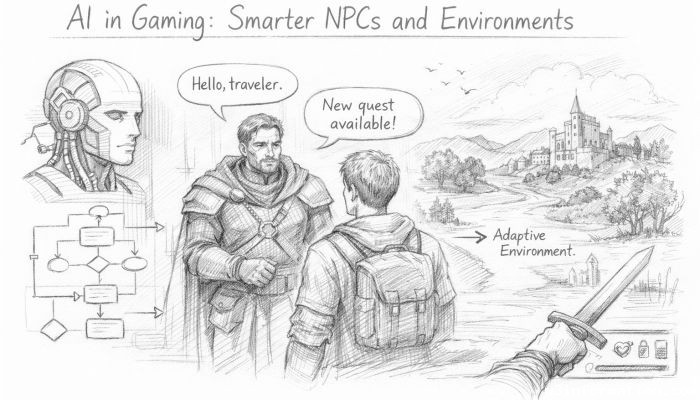 AI in Gaming: Smarter NPCs and Environments
 Understanding Bias in AI Algorithms
 Introduction to Chatbots and Conversational AI
 How Voice Assistants Like Alexa Work
 Federated Learning: AI Without Sharing Data