How Virtual Reality is Changing the Art Experience
In recent years, virtual reality (VR) has emerged as a revolutionary technology that is transforming numerous fields, from gaming and education to healthcare and design. Among these many applications, the art world is experiencing a profound shift, as VR redefines how we create, interact with, and appreciate art. Traditionally, art appreciation required physical presence—visiting galleries, museums, or exhibitions. Today, VR breaks down these spatial and temporal barriers, allowing immersive engagement with art like never before. This article explores how virtual reality is reshaping the art experience, expanding creative possibilities for artists, democratizing access for audiences worldwide, and prompting us to rethink the very nature of art itself. From virtual galleries to interactive installations, VR is not only enhancing but also fundamentally transforming how we experience artistic expression.
- The Emergence of Virtual Reality in the Art World
- Breaking Physical Barriers: Accessibility and Global Reach
- Reimagining Museums: Virtual Galleries and Exhibitions
- Interactive Art: From Passive Viewing to Active Participation
- Expanding Creative Horizons: New Mediums and Techniques
- Fusion of Art and Technology: Collaborative Interdisciplinary Projects
- The Role of Virtual Reality in Art Education
- Challenges and Limitations of VR in Art
- Monetizing VR Art: New Economic Models and Marketplaces
- VR-Powered Social Experiences: Community and Connection
- Case Studies: Pioneering VR Art Projects and Exhibitions
- The Future of Art in a Virtual Reality-Enabled World
- Conclusion
- More Related Topics
The Emergence of Virtual Reality in the Art World
Virtual reality's entry into the art world began as an experimental niche but has quickly gained momentum. Early adopters saw VR not just as a tool for displaying art but as a new medium for creation. Artists now craft entirely digital environments where viewers can step inside paintings or sculptures. This technology brings a fresh dimension to art, enabling spatial storytelling and multisensory involvement that static works cannot match. The ability to manipulate three-dimensional space and incorporate sound, motion, and interaction has ignited curiosity among artists and audiences alike, signaling that VR is here to stay in creative circles.

Breaking Physical Barriers: Accessibility and Global Reach
One of VR’s most significant impacts is its capacity to democratize access to art. In the past, experiencing works by iconic artists often necessitated travel to major metropolitan museums or galleries. VR art exhibitions erase geographic boundaries, inviting anyone with a headset or compatible device to explore masterpieces from anywhere in the world. This inclusivity opens doors for people with disabilities or those constrained by economic or time limitations. It also fosters cultural exchange by showcasing diverse artistic traditions in immersive virtual spaces, making art appreciation a truly global experience.
Reimagining Museums: Virtual Galleries and Exhibitions
Museums have embraced VR to enhance visitor engagement and extend their reach. Virtual galleries replicate or even reimagine physical exhibition spaces, allowing visitors to explore collections via fully interactive 3D environments. Some museums offer digital recreations of lost or damaged artworks, preserving cultural heritage. Others design experiential exhibitions where users journey through thematic worlds tailored to the artist’s vision. The interactivity made possible by VR shifts museum visits from passive observation to active participation, enriching learning and emotional connection.
Interactive Art: From Passive Viewing to Active Participation
Unlike traditional art, which is often viewed at a distance, VR art encourages viewers to become participants. Users can move within the artwork, affect its elements, or even co-create in collaborative virtual studios. This interactivity deepens engagement and personal connection, transforming art viewing into an immersive experience. For instance, installations that respond to user movement or choices foster a dialogue between the viewer and the artwork, blurring lines between observer and creator.
Expanding Creative Horizons: New Mediums and Techniques
Virtual reality opens a realm of creative possibilities for artists. They can sculpt in 3D space without physical constraints, paint with light and motion, or compose dynamic audiovisual environments. Toolsets like Gravity Sketch, Tilt Brush (now Open Brush), and others empower artists to experiment beyond traditional materials. This freedom not only encourages innovation but also challenges artists to think spatially and conceptually in radically new ways. VR art can be transient, evolving, or interactive, redefining what constitutes an artwork.
Fusion of Art and Technology: Collaborative Interdisciplinary Projects
The integration of VR in art demands collaboration between artists, programmers, designers, and engineers. These interdisciplinary teams combine their expertise to build seamless, immersive experiences. Such collaborations push technical boundaries—for example, integrating artificial intelligence to create responsive art or using motion capture to translate human gestures into artistic expression. This fusion nurtures a fertile ground for innovation, expanding the horizons of both art and technology.
The Role of Virtual Reality in Art Education
Art education benefits considerably from VR’s immersive capabilities. Students can explore famous artworks or art history in virtual museums, observe artists’ techniques step-by-step in a simulated studio, or practice creating art in 3D environments. VR offers experiential learning that caters to diverse cognitive styles and makes abstract concepts tangible. Additionally, art programs can reach remote learners, breaking down educational barriers and inspiring creativity through engaging, interactive instruction.
Challenges and Limitations of VR in Art
Despite its promise, VR in art faces challenges. High costs for quality headsets and software limit widespread adoption. Technical issues like motion sickness and user fatigue can detract from the experience. Additionally, the sensory richness of VR can't yet fully replicate tactile feedback and nuanced aesthetics of physical art. Intellectual property and digital preservation pose questions in the rapidly evolving digital art landscape. Balancing technological innovation with artistic integrity remains an ongoing dialogue among creators and stakeholders.
Monetizing VR Art: New Economic Models and Marketplaces
The advent of VR art has stimulated the development of innovative economic models. Virtual art galleries allow artworks to be sold as digital assets, often in the form of NFTs (non-fungible tokens), providing provenance and ownership certainty. Artists gain direct access to global audiences while bypassing traditional gatekeepers like galleries and auction houses. VR experiences can be monetized through ticket sales, subscriptions, or commissions for bespoke creations. However, the volatility of digital markets and the niche VR audience present ongoing financial risks.
VR-Powered Social Experiences: Community and Connection
VR art spaces emphasize social interaction, allowing multiple users to share experiences in a virtual environment. Friends, strangers, and artists can meet within exhibitions, discuss artworks in real time, or collaborate on projects across continents. These social dimensions redefine art viewing as a communal, dialogic event, echoing the traditional gallery’s social fabric in a digital context. VR thus revitalizes the social underpinnings of art culture, fostering global artistic communities and new forms of creative exchange.
Case Studies: Pioneering VR Art Projects and Exhibitions
Numerous pioneering VR art projects showcase the technology’s potential. For instance, Tilt Brush, developed by Google, enabled artists to create stunning 3D paintings in virtual space, inspiring immersive exhibitions worldwide. The VR exhibition “The Night Café,” based on Vincent van Gogh’s works, transports users into a living painting. Additionally, museums like the British Museum and the Smithsonian have crafted virtual tours that immerse visitors in historical art narratives. These projects exemplify how VR can reshape storytelling and emotional resonance in art.
The Future of Art in a Virtual Reality-Enabled World
As VR technology continues to evolve—becoming more affordable, sophisticated, and accessible—the art experience will likely undergo even more dramatic transformations. Artificial intelligence, haptic feedback, and augmented reality may converge with VR to produce multisensory, hybrid art experiences. The lines between physical and digital art will blur further, challenging conventions of ownership, authenticity, and creativity. Ultimately, VR heralds a future where art is not just seen or heard, but lived, felt, and shared in boundless virtual worlds.
Conclusion
Virtual reality is undeniably revolutionizing the art experience, expanding the boundaries of creativity, accessibility, and interaction in ways previously unimaginable. By transcending physical limitations, VR democratizes access to art across the globe, inviting diverse audiences into immersive, interactive worlds. Artists harness VR to explore new mediums and techniques, fostering innovation through interdisciplinary collaboration. Educational programs benefit from deeper engagement, while markets evolve with fresh economic models. Despite challenges like cost and technological limitations, VR’s capacity to create shared social experiences and redefine art’s essence offers compelling promise. As VR continues to mature, it invites us to reconsider not only how we experience art, but also what art itself means in a digitally interconnected future—transforming passive observation into living, shared, and evolving encounters that inspire and unite us all.
 Big O Notation Explained for Beginners
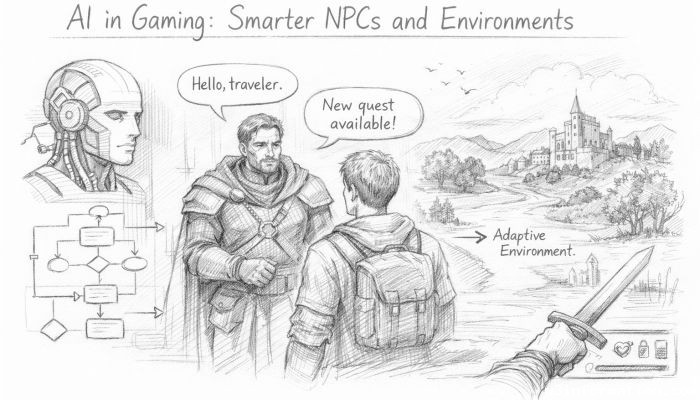 AI in Gaming: Smarter NPCs and Environments
 Understanding Bias in AI Algorithms
 Introduction to Chatbots and Conversational AI
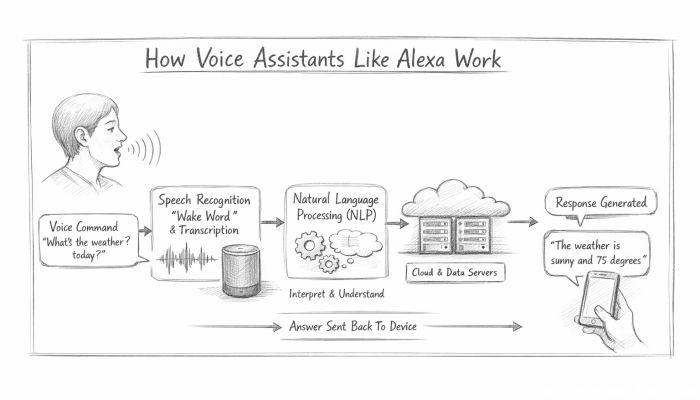 How Voice Assistants Like Alexa Work
 Federated Learning: AI Without Sharing Data