How Music Festivals Are Evolving in the 21st Century
Music festivals have long been a vibrant expression of culture, community, and creativity, bringing together diverse crowds to celebrate shared musical passions. From Woodstock’s rebellious spirit in the late 1960s to today’s technologically immersed mega-events, music festivals continue to evolve, reflecting changes in society, technology, and audience expectations. In the 21st century, these festivals are not just about music anymore; they have become multi-dimensional experiences that blend art, technology, commerce, and environmental consciousness. This article explores how music festivals have transformed in recent decades, examining their new forms, challenges, cultural significance, and future trajectories. Whether you’re a casual attendee, an artist, or an industry insider, understanding these developments reveals much about contemporary cultural trends and the evolving relationship between music, technology, and society.
- The Rise of Digital Integration
- Hybrid and Virtual Festivals
- Sustainability and Environmental Advocacy
- Diversification of Musical Genres and Cultural Representation
- Enhanced Audience Experiences and Immersive Installations
- The Role of Social Media and Influencers
- Economic Impacts and Commercialization
- The Emergence of Boutique and Niche Festivals
- Accessibility and Inclusivity Initiatives
- Safety, Health, and Wellbeing Measures
- The Influence of Globalization
- Future Trends: AI, Blockchain, and Beyond
- Conclusion
- More Related Topics
The Rise of Digital Integration
One of the most prominent changes in 21st-century music festivals is the integration of digital technology. Beyond using social media for promotion, modern festivals employ apps for scheduling, interactive maps, and seamless cashless payment systems. Augmented reality (AR) and virtual reality (VR) have begun to offer immersive experiences that extend beyond physical attendance, allowing remote audiences to participate virtually. This digital infusion has revolutionized both the operational efficiency of festivals and the engagement level of festival-goers.

Hybrid and Virtual Festivals
The COVID-19 pandemic accelerated a trend toward hybrid and fully virtual music festivals. With physical gatherings limited, many festivals moved online, streaming live sets and creating interactive platforms for fans worldwide. Even as in-person events return, the hybrid model persists, expanding accessibility and audience reach. Virtual festivals reduce travel costs and carbon footprints, democratizing participation and marking a significant evolution from the traditional festival format.
Sustainability and Environmental Advocacy
Modern music festivals increasingly prioritize sustainability, responding to global environmental concerns and audience expectations. Organizers implement waste reduction strategies, promote recycling, ban single-use plastics, and encourage the use of renewable energy sources. Some festivals even partner with environmental groups to raise awareness and integrate green activism into their programming. Sustainability efforts exemplify how festivals today reflect broader societal commitments to ecological responsibility.
Diversification of Musical Genres and Cultural Representation
The 21st-century festival scene embraces a broader spectrum of musical styles and cultures than ever before. While earlier festivals often centered around specific genres like rock or electronic dance music, contemporary festivals showcase everything from hip-hop to world music, jazz to indie folk. This diversification also extends to representing previously marginalized voices and cultures, making festivals more inclusive and reflective of global musical landscapes.
Enhanced Audience Experiences and Immersive Installations
Music festivals are transforming into multi-sensory venues where sound is only one element of the experience. Artistic installations, light shows, immersive environments, and interactive workshops contribute to creating unforgettable experiences. Festival organizers aim to engage all senses, crafting atmospheres where attendees not only hear music but also see, touch, and sometimes smell the art and culture around them, elevating the event’s impact.
The Role of Social Media and Influencers
Social media platforms have redefined how festivals market themselves and interact with audiences. Instagram stories, TikTok clips, and live streams amplify festival exposure and hype. Influencers and artists generate organic buzz by sharing behind-the-scenes content, creating viral moments that drive ticket sales. This interactive communication blurs the lines between organizers, performers, and fans, fostering a sense of community and anticipation long before the event begins.
Economic Impacts and Commercialization
While music festivals can boost local economies through tourism and job creation, the 21st century has also seen the intensification of commercialization. Sponsorships, branding, exclusive merchandise, and VIP experiences have become integral to many festivals’ business models. While this influx of capital allows higher production values and organizational improvements, some critics argue that commercialization risks diluting the authentic spirit that originally defined music festivals.
The Emergence of Boutique and Niche Festivals
Contrasting with large-scale mega festivals, there is a growing trend toward boutique and niche events targeting specific demographics or music tastes. These smaller festivals emphasize intimacy, community, and specialized programming, often held in unique or remote locations. They offer a more personalized and curated experience, responding to audiences seeking meaningful connections over mass commercial entertainment.
Accessibility and Inclusivity Initiatives
Accessibility in music festivals has gained significant attention, with organizers working to ensure that people with disabilities, various socio-economic backgrounds, and diverse identities feel welcome and accommodated. Innovations include designated viewing areas, sign language interpreters, sensory-friendly zones, and sliding scale ticket pricing. This focus on inclusivity represents a broader cultural shift toward equality and social justice within the festival landscape.
Safety, Health, and Wellbeing Measures
With growing awareness of health and safety risks, modern festivals are investing heavily in medical facilities, security personnel, and crowd management strategies. Mental health support, harm reduction programs for substance use, and wellness zones featuring yoga or meditation are becoming standard. This comprehensive approach reflects a holistic understanding of attendee wellbeing beyond just physical safety.
The Influence of Globalization
Globalization has fundamentally altered where and how festivals take place. Music festivals have spread worldwide, adapting to local cultures while bringing international acts to new audiences. Cross-cultural collaborations flourish on festival stages, enhancing global connectivity through music. However, globalization also presents challenges related to cultural appropriation and the homogenization of festival experiences.
Future Trends: AI, Blockchain, and Beyond
Looking ahead, emerging technologies like artificial intelligence (AI) and blockchain promise further evolution. AI tools might personalize music recommendations at festivals, optimize logistics, and create innovative performances. Blockchain could transform ticketing by preventing fraud and facilitating transparent transactions. These advances could redefine festival interactions, commercialization, and even the creative process itself.
Conclusion
The evolution of music festivals in the 21st century illustrates how these cultural phenomena adapt to shifting technological, social, and environmental landscapes. From digital innovation and hybrid formats to growing inclusivity and sustainability commitments, festivals have expanded well beyond their original musical roots to become immersive, multifaceted experiences. While commercialization and globalization pose challenges, the persistent drive to connect people through music fosters continuous reinvention. As we move forward, the integration of emerging technologies and deepened social consciousness will likely shape festivals that are more accessible, engaging, and responsible. Music festivals remain powerful spaces for collective celebration and cultural expression, reflecting the ever-changing rhythms of modern society.
 Big O Notation Explained for Beginners
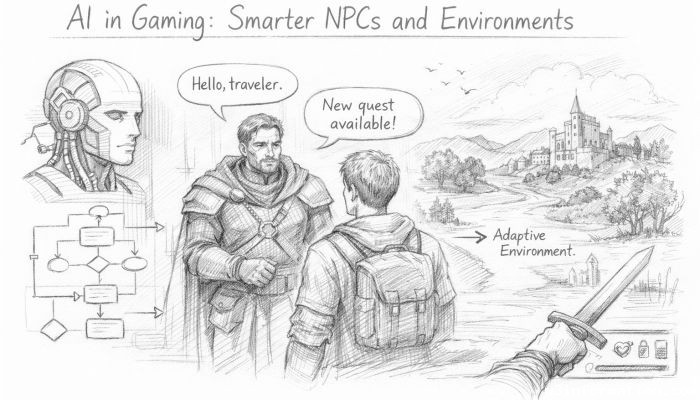 AI in Gaming: Smarter NPCs and Environments
 Understanding Bias in AI Algorithms
 Introduction to Chatbots and Conversational AI
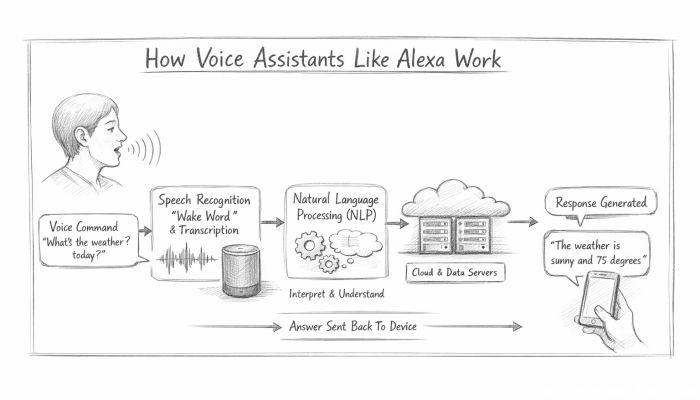 How Voice Assistants Like Alexa Work
 Federated Learning: AI Without Sharing Data