The Role of Art in Mental Health and Well-being
Art has always been a cornerstone of human culture, serving as a medium for expression, communication, and connection. Beyond its aesthetic allure, art holds profound therapeutic potential for mental health and well-being. In a world where psychological challenges are increasingly prevalent, exploring art's therapeutic applications reveals not only innovative ways to alleviate mental stress but also pathways to personal growth and emotional resilience. This article delves into the multifaceted role art plays in supporting mental health, examining its mechanisms, benefits, and integration into formal and informal therapeutic contexts. From the ancient origins of artistic expression as a healing tool to modern-day art therapy practices, we will uncover how creativity nurtures the mind, promotes emotional balance, and fosters social connectivity.
- Historical Perspectives on Art and Healing
- Defining Art Therapy: Art as a Psychological Tool
- How Artistic Expression Influences the Brain
- Emotional Release and Processing Through Art
- Art and Mindfulness: Enhancing Present-Moment Awareness
- Art in Coping with Anxiety and Depression
- Social Connection and Community Building Through Art
- Art in Clinical Settings: Integrating with Traditional Therapies
- Digital Art and Mental Health: New Frontiers
- Barriers to Access and Awareness
- Personal Stories: Healing Through Creativity
- Future Directions: Research and Innovation in Art and Mental Health
- Conclusion
- More Related Topics
Historical Perspectives on Art and Healing
Art’s connection to healing extends back thousands of years. Indigenous cultures used rituals involving painting, music, and dance to restore spiritual and emotional balance. Ancient Greeks incorporated drama and poetry in cathartic rituals to relieve psychological tension, highlighting the early recognition of art’s healing powers. These historical practices laid a foundation for understanding art as more than mere decoration; it was a vital mechanism for mental and emotional processing. Modern disciplines build upon these insights, formalizing art-centered practices to target mental health specifically.

Defining Art Therapy: Art as a Psychological Tool
Art therapy blends creative processes with psychological theory to support mental health treatment. By engaging in artistic expression—painting, sculpting, drawing—people externalize emotions difficult to articulate verbally. This expression helps uncover subconscious feelings, reduce anxiety, and process trauma in a non-threatening way. Licensed art therapists provide guidance through this process, tailoring interventions to individual needs. Unlike art as a casual hobby, art therapy's structured approach makes it a powerful clinical modality for addressing a wide range of mental health disorders.
How Artistic Expression Influences the Brain
Engaging in art triggers complex neural responses that contribute to mental well-being. Creating art activates regions responsible for motor skills, spatial reasoning, and emotional regulation, influencing brain chemistry in beneficial ways. The dopamine released during creative acts boosts mood and motivation. Moreover, art-making can lower cortisol levels, thus reducing stress. These neurological impacts explain why art is often calming and mood-enhancing, confirming its importance beyond just cognitive stimulation.
Emotional Release and Processing Through Art
Art offers a unique outlet for emotional release, especially for individuals struggling to verbalize their feelings. Colors, shapes, and textures can represent inner turmoil, joy, grief, or hope in symbolic form. This externalization allows safe exploration of emotions, aiding self-awareness and emotional regulation. For trauma survivors, creating art can facilitate processing painful memories by representing them visually rather than confronting them directly through words, which can feel overwhelming.
Art and Mindfulness: Enhancing Present-Moment Awareness
Art-making inherently encourages mindfulness—the focused awareness of the present moment. When individuals concentrate on the brushstroke, the blend of colors, or the movement of hands, their attention shifts away from anxious or depressive rumination. This meditative quality of art practice fosters relaxation and reduces symptoms of mental distress. Studies have shown that even short sessions of mindful art activities can enhance mental clarity and emotional stability, proving art's effectiveness as a complementary mindfulness tool.
Art in Coping with Anxiety and Depression
Mental illnesses like anxiety and depression often provoke feelings of helplessness and isolation. Art helps combat these effects by providing a sense of control and accomplishment. By creating tangible artifacts, individuals regain agency over their narrative and environment, boosting self-esteem. Furthermore, group-based art activities reduce social isolation, cultivating support networks. Research indicates that consistent engagement in art correlates with decreased anxiety and depressive symptoms, promoting overall psychological resilience.
Social Connection and Community Building Through Art
Art often serves as a bridge linking individuals and communities, counteracting the alienation common in mental health struggles. Group art projects and public exhibitions foster a sense of belonging and shared purpose. Collaborative art encourages communication and empathy, reinforcing social bonds. This communal aspect is particularly important in recovery processes where social support plays a critical role. Art-driven community initiatives invigorate collective well-being and reduce stigma surrounding mental illness.
Art in Clinical Settings: Integrating with Traditional Therapies
Hospitals, psychiatric clinics, and rehabilitation centers increasingly incorporate art into treatment plans. Art therapy complements talk therapy, medication, and other interventions by addressing cognitive, emotional, and sensory dimensions simultaneously. It is widely used with children, elderly patients, veterans, and trauma survivors. Integrative care models that embrace creative modalities often report enhanced patient satisfaction and improved therapeutic outcomes, advocating for broader adoption of art in healthcare.
Digital Art and Mental Health: New Frontiers
The rise of digital technology has expanded the possibilities for art and mental health. Digital platforms enable accessible, flexible art-making through apps and virtual studios, democratizing access to creative therapies. Online art therapy sessions allow remote support, essential during crises like the COVID-19 pandemic. Moreover, digital art communities offer social interaction and peer encouragement. However, new challenges arise from screen fatigue and digital overload, demanding balanced integration of technology and traditional artistic practices.
Barriers to Access and Awareness
Despite its demonstrated benefits, art therapy and creative mental health interventions face obstacles. Lack of funding, limited awareness among healthcare providers, and cultural stigmas surrounding mental illness impede adoption. Many individuals are unaware of art therapy’s availability or perceive it as a luxury rather than a legitimate treatment. Addressing these barriers through advocacy, education, and policy support remains crucial for expanding art’s role in mental health care.
Personal Stories: Healing Through Creativity
Numerous testimonials highlight art's transformative impact on mental well-being. From veterans grappling with PTSD to teenagers confronting anxiety, creative expression has rekindled hope and healing. These narratives exemplify how art facilitates self-discovery, emotional empowerment, and renewed purpose. Including personal experiences in discussions about art and mental health humanizes the practice and inspires others to explore their creative potential as a wellness tool.
Future Directions: Research and Innovation in Art and Mental Health
Ongoing research continues to uncover art’s mechanisms and effectiveness in mental health. Advances in neuroimaging, psychology, and therapeutic methodologies promise more tailored and impactful art-based interventions. Emerging fields like neuroaesthetics explore how aesthetic experiences influence brain function and emotional health. Additionally, integrating artificial intelligence and virtual reality could revolutionize accessible and immersive art therapies. Continuing innovation and rigorous scientific evaluation will cement art’s place in holistic mental health paradigms.
Conclusion
Art’s role in mental health and well-being is both profound and multifaceted, encompassing emotional expression, cognitive engagement, social connection, and physiological regulation. From ancient healing rituals to contemporary therapeutic practices, art empowers individuals to navigate their mental landscapes with creativity and resilience. Its power lies not just in beauty but in its capacity to externalize internal struggles, foster mindfulness, and build community. As mental health challenges rise globally, integrating art into treatment and wellness strategies offers a compassionate, accessible, and effective avenue for healing. Embracing art not only enriches individual lives but also strengthens the fabric of society, highlighting creativity as a vital source of hope and recovery.
 Big O Notation Explained for Beginners
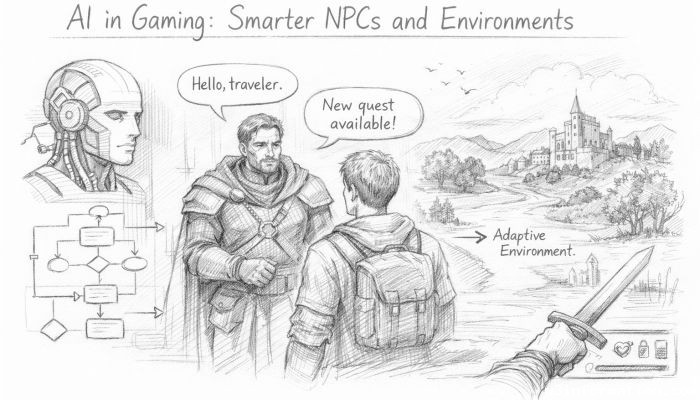 AI in Gaming: Smarter NPCs and Environments
 Understanding Bias in AI Algorithms
 Introduction to Chatbots and Conversational AI
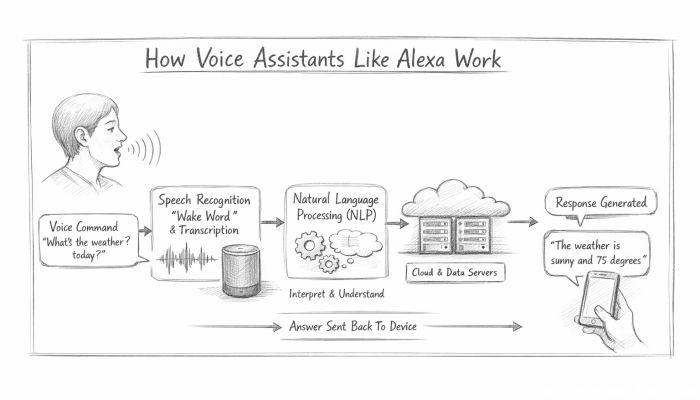 How Voice Assistants Like Alexa Work
 Federated Learning: AI Without Sharing Data