The Fascinating World of Graphic Novels
Graphic novels are a captivating medium that combines the artistry of illustrations with the narrative depth of literature. Distinguished from traditional comic books, graphic novels offer a diverse range of genres, themes, and storytelling techniques. Their rich history, cultural impact, artistic elements, and growing popularity make them a unique and compelling medium for readers of all ages. This article will take you on a journey into the world of graphic novels, exploring their history, impact, and the many reasons why they have become a beloved form of storytelling.
- The Origins of Graphic Novels
- What Sets Graphic Novels Apart
- The Art of Storytelling in Graphic Novels
- Visual Style and Artistic Techniques
- Genres in Graphic Novels
- Graphic Novels as a Medium for Social Commentary
- Popular Graphic Novels and Influential Creators
- The Role of Adaptations in Popularizing Graphic Novels
- The Educational Value of Graphic Novels
- Collecting and Appreciating Graphic Novels
- Challenges Facing the Medium
- The Future of Graphic Novels
- Conclusion
- More Related Topics
The Origins of Graphic Novels
The origins of graphic novels can be traced back to ancient civilizations, with the use of illustrations, sequential art, and picture books throughout history. However, the modern form of graphic novels as we know them today started gaining momentum in the late 20th century.
Groundbreaking works like Will Eisner’s “A Contract with God” (1978) and Art Spiegelman’s “Maus” (1980s) set the stage for graphic novels to be recognized as a legitimate literary form. Eisner himself coined the term “graphic novel” to differentiate his work from traditional comic books. Understanding the roots of this medium provides readers with a foundation for appreciating its evolution from mere entertainment to a respected art form.

What Sets Graphic Novels Apart
Graphic novels stand out from traditional comic books in several ways:
- Narrative Depth: Graphic novels often tackle complex themes, character development, and intricate storylines.
- Length and Format: Graphic novels are typically longer and self-contained, allowing for complete storytelling experiences.
- Target Audience: While comic books are often associated with younger audiences, graphic novels cater to a wide demographic, including adults.
- Artistic Expression: Graphic novels showcase sophisticated art styles that enhance the narrative.
This unique blend of literary and artistic elements enables graphic novels to convey emotional depth and intellectual engagement in a way that text-based or purely visual mediums may not.
The Art of Storytelling in Graphic Novels
Storytelling in graphic novels is a harmonious collaboration between words and pictures. Unlike traditional novels where the narrative is conveyed solely through text, graphic novels rely on a visual language to guide readers through the story.
Elements such as panels, layouts, visual cues, pacing, and symbolism in both the text and the images contribute to the storytelling. Graphic novelists can convey mood, emotions, and subtext through carefully crafted imagery. The result is a multidimensional narrative that resonates with readers on multiple levels, making storytelling in graphic novels a truly unique and engaging experience.
Visual Style and Artistic Techniques
The visual style of a graphic novel is an integral part of its storytelling. Artists employ a variety of techniques, ranging from realistic illustrations to abstract art, manga-inspired aesthetics, and even digital art styles.
Color palettes, line work, shading, and composition all play a crucial role in setting the tone and atmosphere. A dark and moody color scheme, for example, might evoke mystery or introspection, while bright and vibrant hues can create a sense of energy or whimsy. The visual style not only supports the story but can also become a signature style of the artist or writer.
Genres in Graphic Novels
Graphic novels encompass a wide range of genres, catering to diverse reader interests:
- Superhero and Action: Stories about heroes, anti-heroes, and the moral dilemmas they face.
- Fantasy and Science Fiction: Tales set in imaginary worlds, futuristic societies, or with elements of magic and science fiction.
- Memoir and Biography: Graphic novels that present personal narratives exploring identity, culture, and history.
- Horror and Thriller: Suspenseful stories with psychological depth, mystery, and elements of fear.
- Social Commentary: Works addressing political, social, or cultural issues, often with a critical lens.
The diversity of genres within graphic novels reflects the medium’s adaptability and appeal to a broad range of readers.
Graphic Novels as a Medium for Social Commentary
Graphic novels have also become a powerful medium for social commentary and cultural exploration. Works like Art Spiegelman’s “Maus” explore the Holocaust through the lens of anthropomorphic characters, while Marjane Satrapi’s “Persepolis” offers a personal perspective on the Iranian Revolution.
By combining narrative and imagery, graphic novels can humanize complex social issues, evoke empathy, and spark meaningful conversations. This ability to communicate nuanced and challenging topics contributes to the medium’s significance as a tool for education, awareness, and advocacy.
Popular Graphic Novels and Influential Creators
Throughout the years, several graphic novels and creators have left a lasting impact on the medium:
- Alan Moore: Known for his work on “Watchmen,” which revolutionized the superhero genre.
- Frank Miller: Creator of “The Dark Knight Returns,” blending noir aesthetics with superhero themes.
- Neil Gaiman: Renowned for “The Sandman” series, which weaves together mythology, horror, and fantasy.
- Raina Telgemeier: Celebrated for her graphic novels targeted at young readers, such as “Smile.”
These creators, among many others, have demonstrated the medium’s versatility in exploring a wide range of themes while achieving both commercial and critical success.
The Role of Adaptations in Popularizing Graphic Novels
Film, television, and digital media adaptations have played a significant role in popularizing graphic novels. The Marvel Cinematic Universe and adaptations such as “V for Vendetta” or “Persepolis” have exposed wider audiences to the richness of graphic storytelling.
These adaptations often preserve the core visual and narrative elements, allowing fans to experience the stories across multiple platforms. This cross-media success has elevated the cultural status of graphic novels and showcased their artistic and narrative potential.
The Educational Value of Graphic Novels
Graphic novels have gained recognition as valuable educational tools. Their unique combination of text and visuals supports literacy, comprehension, and critical thinking skills. Educators have found graphic novels to be effective tools for teaching history, literature, social studies, and even scientific concepts.
The integration of images with the narrative makes complex subjects more accessible and engaging, particularly for visual learners. Graphic novels have also been instrumental in encouraging reluctant readers to engage with literature, further solidifying their educational value.
Collecting and Appreciating Graphic Novels
Beyond reading, many enthusiasts engage in collecting graphic novels for their artistic and cultural value. Limited editions, original prints, and signed copies hold significant appeal for collectors.
Appreciating graphic novels involves exploring both the narrative craftsmanship and the artistic techniques employed. Panel composition, color usage, character design, and the evolution of an artist’s style are aspects that collectors and enthusiasts often delve into. Collecting graphic novels fosters a deeper understanding of the medium and its history, allowing readers to connect with the creative process behind each work.
Challenges Facing the Medium
Despite their growing popularity, graphic novels face several challenges:
- Perception: The perception that graphic novels are primarily for children’s entertainment persists, overshadowing their literary and artistic depth.
- Accessibility: Limited availability or high prices for high-quality editions can pose barriers for readers.
- Digital Transition: While digital platforms increase accessibility, they may not provide the same tactile and visual experience as print editions.
Addressing these challenges is essential for the continued growth and recognition of graphic novels as a legitimate literary and artistic medium.
The Future of Graphic Novels
The future of graphic novels is bright and promising, driven by technological advancements, diverse storytelling, and expanding global audiences. Digital platforms and the rise of webcomics have given creators the opportunity to reach international readers almost instantly.
Emerging technologies such as virtual reality and interactive media hold the potential to transform the reading experience, offering new and immersive storytelling possibilities. The increased recognition of graphic novels in academia and mainstream culture will continue to cement their place as an influential medium for artistic expression and social commentary.
Conclusion
Graphic novels have carved a unique and significant place in the literary and artistic world. Their ability to combine visual impact with narrative depth, represent diverse voices, and engage readers of all ages makes them a versatile and influential medium. From their early beginnings to contemporary digital adaptations and educational applications, graphic novels have proven their power to entertain, educate, and inspire.
As technology advances and storytelling continues to evolve, graphic novels will remain a vital and dynamic form of expression, offering readers an immersive and multifaceted literary experience. Whether you are a casual reader, a collector, or an aspiring creator, the world of graphic novels invites exploration, appreciation, and a boundless imagination, proving that stories can be both visually stunning and intellectually profound.
 Big O Notation Explained for Beginners
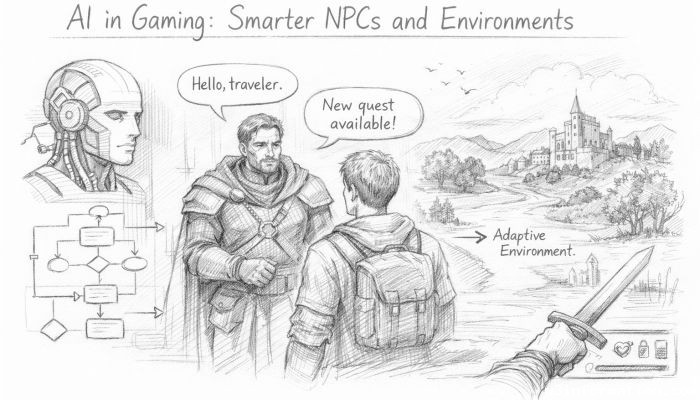 AI in Gaming: Smarter NPCs and Environments
 Understanding Bias in AI Algorithms
 Introduction to Chatbots and Conversational AI
 How Voice Assistants Like Alexa Work
 Federated Learning: AI Without Sharing Data