10 Career Paths You Can Pursue with a Computer Science Degree
A computer science degree is one of the most versatile and in-demand degrees today. The rapid growth and integration of technology across all industries, from healthcare and finance to entertainment and education, have created a high demand for computer science graduates. As a student or recent graduate with a computer science degree, it can be overwhelming to figure out what career paths are available and which one aligns with your skills, interests, and long-term goals. The good news is that one degree can open doors to a variety of career options that match different skill sets, passions, and aspirations. In this ultimate guide, we will explore 10 possible career paths with a computer science degree, providing an overview of responsibilities, skills, and growth opportunities for each one. This will help you make informed decisions about your future and pursue a rewarding and fulfilling career in the tech industry.
Software Developer
Software development is one of the most sought-after careers among computer science graduates. As a software developer, your role involves designing, building, and maintaining applications, systems, and websites. You may work on mobile apps, web development, desktop applications, or enterprise software, depending on your area of specialization. A computer science degree provides a strong foundation in programming languages, algorithms, data structures, and software engineering principles, which are essential for this career path. Additional skills in problem-solving, critical thinking, creativity, and team collaboration are also vital for success. With a wide range of industries and organizations in need of software developers, this is a highly rewarding career path in terms of job satisfaction and financial stability.

Data Scientist
Data science is an interdisciplinary field that combines computer science, statistics, and domain knowledge to extract insights from large and complex datasets. As a data scientist, you will work on analyzing and interpreting data to help businesses and organizations make informed decisions. You will use various data mining, statistical modeling, and machine learning techniques to identify trends, patterns, and anomalies in the data. Data scientists can work in various industries, including finance, healthcare, marketing, and e-commerce. To succeed in this career path, you will need excellent analytical, communication, and programming skills, particularly in languages such as Python or R. A computer science degree, combined with data science and machine learning courses, can open the door to a high-paying and in-demand career in data science.
Cybersecurity Analyst
Cybersecurity analysts are responsible for safeguarding organizations from digital threats such as hacking, malware, viruses, and data breaches. They monitor computer networks and systems, detect vulnerabilities, and implement security measures to prevent or mitigate cyber-attacks. A computer science degree with a focus on cybersecurity or related certifications such as CISSP or CompTIA Security+ can prepare you for this career. You will need to have a solid understanding of computer networks, operating systems, and security protocols. Attention to detail, analytical skills, and the ability to think critically are also crucial in this field. Cybersecurity is a fast-growing and vital field, and cybersecurity analysts are in high demand across various industries.
Artificial Intelligence/Machine Learning Engineer
AI and machine learning engineers design, build, and implement algorithms and intelligent systems that enable machines to learn and make decisions. They work on creating AI-driven technologies such as chatbots, recommendation systems, autonomous vehicles, and natural language processing applications. A computer science degree with experience in programming languages, machine learning frameworks such as TensorFlow or PyTorch, and strong mathematical skills are necessary for this career path. The demand for AI and machine learning engineers is rapidly increasing as more industries seek to leverage AI technology to optimize and innovate their processes.
Cloud Computing Specialist
Cloud computing specialists manage and maintain cloud infrastructure and services for organizations. They ensure that businesses can store, access, and process their data and applications on the cloud platform, such as Amazon Web Services (AWS), Microsoft Azure, or Google Cloud Platform (GCP). Cloud computing specialists work on cloud deployment, security, scaling, and management. A computer science degree with experience in cloud platforms and cloud architecture can prepare you for this career. As more organizations are moving to the cloud, this career path is expected to continue to grow in demand.
DevOps Engineer
DevOps engineers focus on improving software development and IT operations collaboration and efficiency. They work on automating workflows, optimizing deployment pipelines, and ensuring that software applications run smoothly. DevOps engineers must have skills in coding, system administration, DevOps practices such as CI/CD (Continuous Integration/Continuous Deployment), and cloud platforms. This career path requires excellent collaboration, problem-solving, and efficiency skills. A computer science degree with experience in software development and IT operations can prepare you for a career as a DevOps engineer.
Game Developer
Game development is an exciting career path for computer science graduates who have an interest in gaming and interactive technology. Game developers work on designing, coding, and testing video games, from mobile games to AAA titles. They use programming languages such as C++, C#, and scripting languages and game engines such as Unity or Unreal Engine. Game development combines creativity and technical skills, and game developers can work in various areas of game design, including gameplay, graphics, and artificial intelligence. Game development is a growing industry, with opportunities for innovation and cutting-edge technologies.
Systems Analyst
Systems analysts evaluate and improve the computer systems and processes of an organization. They analyze business requirements, recommend software solutions, and oversee implementation and testing. Systems analysts need to have strong analytical skills, communication skills, and knowledge of software development processes. This career path allows computer science graduates to apply their technical expertise to business processes and operations.
Network Engineer
Network engineers design, implement, and maintain the infrastructure that enables computers and other devices to communicate over a network. They work on servers, routers, switches, and security protocols, and manage network configurations and connectivity. Network engineers need to have excellent networking and technical skills, including knowledge of networking protocols, hardware, and cybersecurity. With the increasing reliance on cloud services, IoT devices, and remote work, network engineers are in high demand.
UX/UI Designer with a Tech Edge
UX/UI designers focus on user experience and interface design of digital products and applications. They work on creating user-friendly, functional, and visually appealing designs that meet the needs of users. While this career path is typically associated with design and not coding, computer science graduates can leverage their technical skills to create functional and intuitive applications. Knowledge of front-end programming languages such as HTML, CSS, and JavaScript can give computer science graduates an edge in the UX/UI design field.
Bonus Career Paths
While the above ten are some of the most popular and versatile career paths for computer science graduates, there are many other specialized and niche areas that you can explore, such as:
Blockchain Developer: Building decentralized applications and cryptocurrencies
IoT Engineer: Developing smart devices and connected technologies
Technical Project Manager: Leading and managing software and technology projects
Research Scientist in Computing: Innovating at the intersection of technology and academia
Conclusion
A computer science degree can open doors to a wide range of exciting and rewarding career paths across various industries and organizations. Whether you are interested in software development, data science, cybersecurity, AI, cloud computing, game development, or other areas, there is a career path that matches your skills, interests, and aspirations. It’s essential to explore your options, gain relevant experience, and continuously learn and adapt to the ever-changing technology landscape. By doing so, computer science graduates can not only secure their future but also make a meaningful impact on the world through technology.
 Big O Notation Explained for Beginners
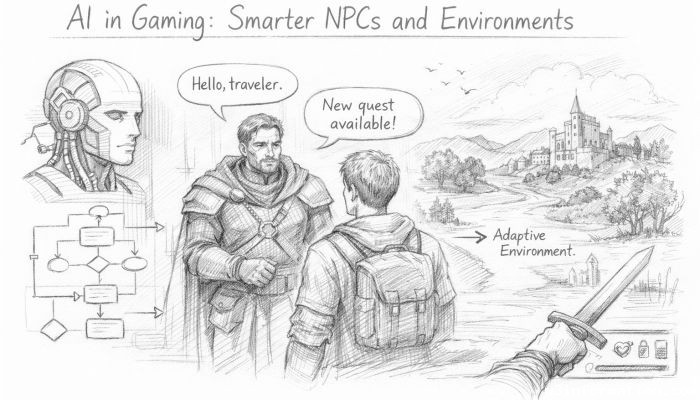 AI in Gaming: Smarter NPCs and Environments
 Understanding Bias in AI Algorithms
 Introduction to Chatbots and Conversational AI
 How Voice Assistants Like Alexa Work
 Federated Learning: AI Without Sharing Data