How to Design Real-World Projects Using Software Engineering in 2025
Software engineering in 2025 is more dynamic, innovative, and essential than ever before. As technology advances with AI, cloud, IoT, and new frameworks, real-world projects demand not just coding but strategic thinking, problem-solving, and understanding end-users. In modern software engineering, software engineers who thrive solve real problems, bridge theory with practice, and deliver scalable, secure, and impactful software solutions. Real-world projects let learners and professionals experience the full software development lifecycle—from ideation and gathering requirements to deployment and maintenance. They also help to develop collaboration, testing, and debugging skills. Whether you are a student, developer, or aspiring tech entrepreneur, knowing how to design, plan, and execute real-world software projects is crucial for career growth and innovation. In this guide, we explore step-by-step strategies, best practices, and essential considerations for designing software projects for success in 2025.
- Understand the Problem Domain Thoroughly
- Define Clear Objectives and Scope
- Embrace Agile and Iterative Development
- Choose the Right Technology Stack
- Plan System Architecture and Design Patterns
- Focus on User-Centered Design
- Implement Robust Testing and Quality Assurance
- Integrate Security and Data Privacy
- Leverage Collaboration and Version Control
- Use Agile Deployment and Continuous Integration
- Monitor, Analyze, and Improve Post-Deployment
- Document, Reflect, and Share Knowledge
- Conclusion
- More Related Topics
Understand the Problem Domain Thoroughly
Before writing a single line of code, software engineers must understand the problem they’re solving. Real-world software projects succeed when developers deeply identify the pain points, requirements, and constraints of target users or business. This involves interviews, surveys, and market research to understand needs and challenges. In 2025, use AI tools for data analysis or trend prediction to validate ideas and uncover patterns. A well-conducted research phase ensures the software addresses relevant, user-centric problems, reducing the risk of building a product that nobody needs.

Define Clear Objectives and Scope
Once you have a good understanding of the problem domain, it is important to define your project’s objectives and scope. This includes specifying functional and non-functional requirements, deliverables, and success metrics. Projects without clear objectives risk scope creep, delays, or misaligned team efforts. In modern software engineering, project management tools like Jira, Trello, or Notion can be used to create a structured project roadmap. A clear scope ensures everyone is aligned and milestones are measurable and achievable.
Embrace Agile and Iterative Development
Agile methodologies have become the industry standard for managing real-world software projects. Iterative development practices let teams build, test, and refine software in short cycles. This allows adapting to user feedback and evolving requirements. Agile frameworks like Scrum or Kanban improve collaboration, transparency, and flexibility. In 2025, AI-powered project tracking and predictive analytics can be integrated into agile workflows. This can optimize task allocation, identify bottlenecks, and improve delivery timelines. Agile methodologies ensure projects remain adaptable, reducing risk while maximizing user value.
Choose the Right Technology Stack
Selecting an appropriate technology stack is a critical decision for software projects in 2025. Performance, scalability, and maintainability considerations will drive many of these choices. In 2025, software engineers need to be familiar with cloud-native solutions, microservices architecture, containerization, and serverless frameworks. Some popular programming languages will include Python, JavaScript (Node.js, React), and Go. Integrating AI and machine learning may require TensorFlow, PyTorch, or specialized APIs. Choosing compatible tools for project requirements, team expertise, and long-term maintainability ensures smoother development and reduced technical debt.
Plan System Architecture and Design Patterns
Good software architecture separates concerns, improves maintainability, and ensures scalability. This includes modularization, database design, API strategy, and integration planning. Design patterns, such as MVC (Model-View-Controller), Observer, Singleton, or microservices architecture, are common reusable solutions to solve common problems efficiently. In 2025, software engineers can benefit from automated architecture tools and simulation environments. These tools can model system behavior, identify potential bottlenecks, and optimize performance before actual implementation.
Focus on User-Centered Design
User experience (UX) is no longer optional—it is the key to software success. Engaging stakeholders early, creating wireframes, prototypes, and mockups, and testing usability early are all important steps to ensure the product is intuitive, accessible, and engaging. In modern software engineering, UX design tools like Figma, Adobe XD, or AI-assisted design platforms can speed up iterations and improve collaboration between developers and designers. A user-centered approach is essential to reduce frustration, error, and drives adoption in competitive markets in 2025.
Implement Robust Testing and Quality Assurance
Real-world software projects require rigorous testing to ensure reliability and maintainability. This includes a testing strategy for unit testing, integration testing, system testing, and user acceptance testing (UAT). Automation tools like Selenium, Cypress, or JUnit streamline repetitive tasks. Modern software engineering also leverages continuous integration/continuous deployment (CI/CD) pipelines to catch errors early. In 2025, AI-powered testing solutions can predict potential failure points, optimize test coverage, and reduce time-to-market. A quality-first approach helps ensure software consistently delivers value, builds user trust, and avoids costly post-release issues.
Integrate Security and Data Privacy
Security must be a fundamental aspect of real-world software engineering projects. Projects must comply with GDPR, CCPA, or other industry-specific standards. Implement secure coding practices, input validation, encryption, and access control from the start. In 2025, conduct regular penetration testing and threat modeling exercises to anticipate vulnerabilities. AI-driven security tools in the future will be able to detect anomalies in real-time and prevent breaches and attacks that may compromise sensitive user data. Prioritizing security and privacy not only safeguards the software but also builds credibility and protects long-term success.
Leverage Collaboration and Version Control
Collaboration is key to successful complex projects. Version control systems like Git/GitHub/GitLab enable teams to work concurrently, manage code changes, and track project history. Collaboration also involves documentation, code reviews, and regular team stand-ups. In 2025, AI-enhanced code assistants will also suggest improvements, detect bugs, and facilitate knowledge sharing across distributed teams. Strong collaboration practices reduce conflicts and improve code quality while ensuring that knowledge is retained by the team and project stakeholders.
Use Agile Deployment and Continuous Integration
Deploying software is no longer a one-time event in the modern software engineering world. Continuous delivery practices ensure regular updates and feature improvements. Modern DevOps practices that leverage CI/CD pipelines integrated with cloud infrastructure to automate testing, building, and deployment are critical. Containerization (Docker, Kubernetes) provides consistency across development, testing, and production environments. Monitoring tools like Prometheus track performance and errors in real-time. In 2025, predictive analytics may help to anticipate scaling needs and optimize resource allocation. Continuous deployment enables rapid response to user feedback, reduced downtime, and high service availability.
Monitor, Analyze, and Improve Post-Deployment
Launching software is not the end for real-world projects. Ongoing monitoring and analysis of user behavior, system performance, and error logs are critical. Tools like Google Analytics, Datadog, or Prometheus capture valuable insights that inform iterative improvements. Feedback loops are vital—whether through user surveys, in-app analytics, or AI-driven sentiment analysis—to guide feature updates and bug fixes. In 2025, predictive maintenance using AI models will be able to identify potential performance bottlenecks preemptively to ensure software remains robust and efficient over time.
Document, Reflect, and Share Knowledge
Documentation is an often overlooked but critical step for real-world software project long-term maintainability and team learning. Comprehensive guides, architecture diagrams, API documentation, and comment-rich code help onboard new developers quickly. Conducting retrospectives and post-mortems after reaching project milestones are vital practices to encourage reflection, identify lessons learned, and improve future workflows. Sharing knowledge and insights with the world, or at least with the internal teams and teams at other companies, through blogs, internal wikis, or open-source contributions not only strengthens team skills but also enhances professional credibility. AI documentation tools may be available in 2025 to auto-generate documentation or project summaries, saving time and improving accuracy.
Conclusion
Designing real-world software projects in 2025 requires more than just technical expertise. It demands a blend of strategic planning, creative problem-solving, and a deep understanding of user needs and end goals. Mastering the key elements we discussed in this guide—from understanding the problem domain to post-deployment improvements—sets the foundation for successful software projects that make a tangible impact. As software engineers, embracing agile development, testing, collaboration, and modern tools like AI and cloud platforms is essential. We hope this guide has empowered you to confidently take on real-world projects in the modern software engineering era.
 Big O Notation Explained for Beginners
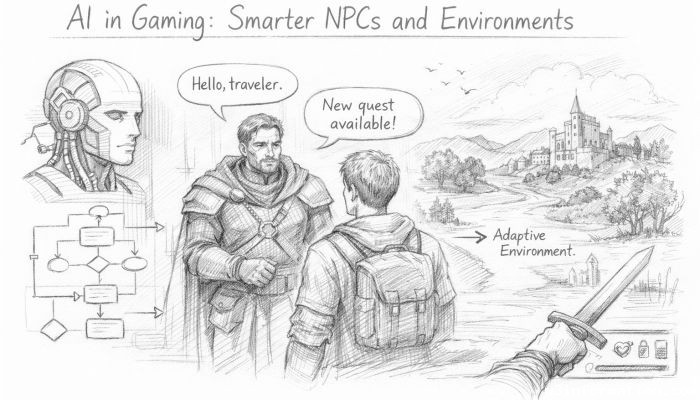 AI in Gaming: Smarter NPCs and Environments
 Understanding Bias in AI Algorithms
 Introduction to Chatbots and Conversational AI
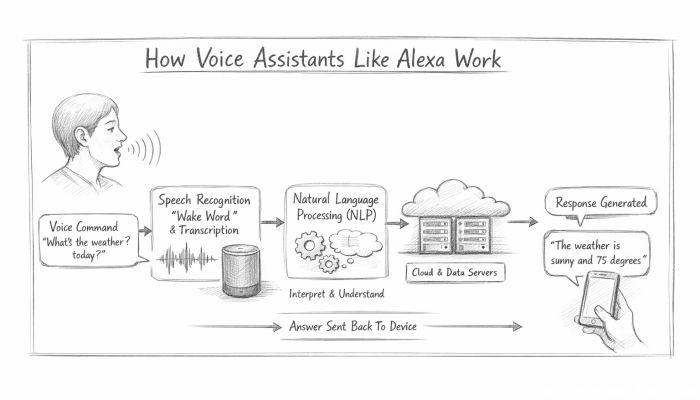 How Voice Assistants Like Alexa Work
 Federated Learning: AI Without Sharing Data