How to Deploy Real-World Projects Using Web Development in 2025
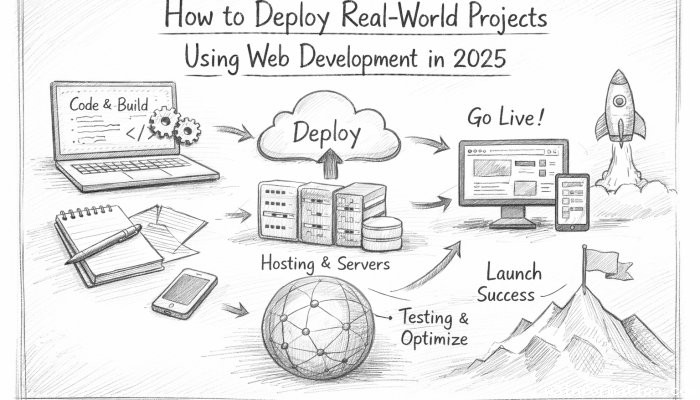
Web development is no longer a hobby; it’s a rapidly expanding industry where passionate programmers and creative designers are continuously sharing their amazing work with the world. However, the journey from learning coding languages to deploying real-world web development projects in 2025 is full of intriguing questions and inspiring challenges. In this ultimate guide, we will explore everything you need to know about putting your fantastic web projects out there for everyone to see and use. We’ll cover best practices for efficient workflows, modern technologies to leverage, and success strategies for deploying web development projects that not only function but truly shine in the dynamic digital landscape of 2025
- Understanding the Web Development Lifecycle
- Choosing the Right Technology Stack
- Version Control and Collaborative Development
- Setting Up a Robust Development Environment
- Implementing Continuous Integration and Continuous Deployment (CI/CD)
- Ensuring Security Before Deployment
- Optimizing for Performance and Scalability
- Testing and Quality Assurance
- Selecting the Right Hosting Environment
- Deploying with Cloud Platforms and Serverless Architecture
- Monitoring and Maintaining Deployed Projects
- Iterating and Updating Projects Post-Deployment
- Conclusion: Deploying Web Projects Successfully in 2025
- More Related Topics
Understanding the Web Development Lifecycle
Before diving into the deployment process, it’s essential to grasp the web development lifecycle’s fundamentals. This includes planning, designing, coding, testing, and deploying your project. A clear understanding of the lifecycle ensures a well-structured workflow and smoother transitions between stages. Additionally, version control systems like Git and collaboration platforms like GitHub or GitLab have become crucial for modern web development, enabling efficient teamwork and project management. Get a firm grasp of the lifecycle, and you’ll be well-prepared for the next steps in the deployment process.
Choosing the Right Technology Stack
The technology stack you select can significantly impact your web project’s deployment process. Popular front-end frameworks such as React, Angular, or Vue.js combined with back-end platforms like Node.js, Django, or Ruby on Rails offer various possibilities. Emerging technologies like serverless architectures and cloud-native solutions are gaining traction in modern web development. Carefully consider your project’s requirements, scalability, and team expertise when selecting a technology stack. In 2025, it’s also beneficial to stay informed about the latest technologies like WebAssembly or AI-powered APIs to gain a competitive edge in your deployment process.
Version Control and Collaborative Development
Version control is a crucial aspect of any professional web development project. Platforms such as GitHub, GitLab, and Bitbucket provide robust version control systems and collaboration features, allowing teams to work simultaneously on the same project, track changes, and manage releases effectively. Pull requests, code reviews, and branching strategies ensure code quality and minimize conflicts. Integrating version control into your development workflow will create a structured and efficient environment, making the deployment process more predictable and manageable in 2025.
Setting Up a Robust Development Environment
A well-configured development environment is key to a seamless deployment process. This includes local servers, dependency management tools, and containerized development environments using Docker or Kubernetes. Containerization allows you to mimic your production environment locally, significantly reducing deployment errors. In 2025, developers are increasingly turning to integrated cloud development platforms that provide testing, debugging, and CI/CD pipeline capabilities, enabling a frictionless transition from coding to deployment.
Implementing Continuous Integration and Continuous Deployment (CI/CD)
CI/CD pipelines play a vital role in automating the testing, building, and deployment of web projects. Tools like Jenkins, GitHub Actions, and GitLab CI/CD help create streamlined pipelines, ensuring your code is always ready for deployment. Automated CI/CD pipelines reduce the chances of human error, accelerate the release process, and enhance collaboration between development and operations teams. By 2025, CI/CD will be considered a standard practice for deploying real-world projects.
Ensuring Security Before Deployment
Security should never be an afterthought in modern web development. Before deployment, make sure to implement secure authentication, data encryption, input validation, and conduct vulnerability scanning. Tools like OWASP ZAP or Snyk can help identify potential security issues in your project. As privacy regulations such as GDPR, CCPA, or other global standards evolve by 2025, it’s crucial to stay proactive about security and privacy compliance to protect users and build trust.
Optimizing for Performance and Scalability
Once your project is ready for deployment, it’s essential to ensure it can handle real users efficiently. Performance optimization includes techniques such as reducing load times, compressing assets, optimizing database queries, and utilizing content delivery networks (CDNs). Scalability, on the other hand, ensures your project can accommodate growing traffic without compromising performance. Cloud platforms like AWS, Azure, or Google Cloud offer scalable infrastructure with auto-scaling capabilities. In 2025, performance optimization will become even more critical as users expect instant access and seamless experiences across various devices.
Testing and Quality Assurance
Testing is a critical stage before deploying your web project. This includes functional testing, unit testing, integration testing, and user acceptance testing. Automated testing tools such as Jest, Cypress, and Selenium can help you implement robust testing processes and minimize human error. By 2025, automated testing frameworks will be deeply integrated into CI/CD pipelines, enabling continuous verification of code quality. Comprehensive testing guarantees that your project is reliable, bug-free, and ready for real-world use.
Selecting the Right Hosting Environment
Choosing an appropriate hosting solution can significantly impact your deployed project’s speed, uptime, and maintenance. From shared hosting and VPS to cloud-based solutions and serverless architectures, there are various options to consider. Modern deployments often leverage containerized applications using platforms like Docker Swarm or Kubernetes clusters. Edge computing and global CDNs are also becoming increasingly popular to further improve latency and accessibility. In 2025, your hosting decisions will be strategic, aligning your infrastructure with your project’s traffic expectations, complexity, and budget.
Deploying with Cloud Platforms and Serverless Architecture
Cloud platforms have revolutionized the deployment process in web development. Services such as AWS Elastic Beanstalk, Azure App Services, or Google App Engine allow developers to deploy their projects without the need to manage physical servers. Serverless computing, using platforms like AWS Lambda or Azure Functions, enables developers to run their code on-demand, reducing costs and increasing scalability. Cloud-native deployments will become the standard by 2025, allowing developers to focus on innovation while relying on managed infrastructure for scalability and reliability.
Monitoring and Maintaining Deployed Projects
Deployment is not the end of the journey; it’s the beginning of continuous monitoring and maintenance. Regular monitoring is crucial for detecting performance issues, downtime, or potential security breaches. Tools such as New Relic, Datadog, and Prometheus can provide real-time analytics and alerting. In 2025, monitoring will be more proactive, utilizing AI-driven analytics to predict potential issues before they affect the user experience. Regular maintenance, including updates, backups, and performance tuning, will also become an integral part of sustaining a successful deployed project.
Iterating and Updating Projects Post-Deployment
Real-world web projects do not remain static once deployed; they evolve and improve over time. User feedback, analytics, and market trends can inform updates and feature enhancements. Agile methodologies support the ability to make quick, incremental changes that improve your project’s value. Continuous iteration is a best practice that is gaining popularity in 2025; it enables developers to adapt to changing user needs, embrace new technologies, and stay competitive. Successful deployment strategies create living projects that grow and improve over time.
Conclusion: Deploying Web Projects Successfully in 2025
Deploying real-world web development projects in 2025 is a science and an art. It requires a deep understanding of the web development lifecycle, technology stacks, CI/CD pipelines, and a keen eye for security, performance optimization, and user experience. Successful deployment also depends on efficient collaboration, monitoring, and continuous iteration to keep web projects reliable and relevant in a rapidly evolving digital landscape. Combine these strategies with a proactive, user-focused mindset, and you’ll be well on your way to creating web projects that function and scale beautifully, ready to serve real users. Mastering deployment is the key to turning your code into impactful, real-world solutions in an era of accelerating digital transformation.
 How to Make the Most of Your Holiday Break
 The Best Winter Destinations for a Cozy Getaway
 How to Organize Your Holiday Travel Plans with Ease
 The Ultimate Guide to Cooking for a Crowd
 How to Make Healthy Comfort Food Without the Guilt
 5 Delicious Vegan Breakfast Ideas You Can Make in Minutes