The Role of Technology in Shaping the Future of Education
Education has always been a mirror of the world it reflects. From the advent of chalkboards and textbooks to overhead projectors and digital learning tools, every major shift in our society has been accompanied by a transformation in how we teach and learn. Today, technology has moved beyond being just a supplementary tool in classrooms—it is a driving force shaping the future of education. To understand the role of technology in the future of education, we must look beyond gadgets and software to the very nature of how learning itself is changing. Technology is transforming access, personalization, assessment, collaboration, and the definition of a classroom. It is also ushering in an era of equal parts excitement, opportunity, and responsibility. In this article, we’ll explore how technology is redefining education systems around the world, what it means for students and teachers, and how a purposeful approach to integration can help create a more inclusive, effective, and human-centered learning experience for generations to come.
How Education Is Evolving in the Digital Age
In the digital age, information creation, sharing, and consumption have changed fundamentally, and education is no exception to this rule. Knowledge is no longer confined to books and lecture halls—it’s available at our fingertips through the internet. This democratization of information has shifted the focus of education from rote memorization to critical thinking, problem-solving, and adaptability. Students are no longer passive consumers of information; they are active participants and co-creators in their educational journeys. Technology is supporting this evolution in the way we learn by enabling faster access to information, global perspectives, and engaging learning experiences that were previously unimaginable.
Expanding Access to Education Through Technology
One of the most powerful roles of technology in the future of education is breaking down barriers to access. Online learning platforms, digital classrooms, and mobile technology have revolutionized access to education for students in remote regions, underserved communities, and nontraditional learning environments. A student living in a rural area does not need to be physically present near a top-tier university to access high-quality content, leading educators, and world-class educational materials. Technology has helped make education more inclusive and accessible to learners who were previously shut out due to geography, finances, or physical limitations. While the digital divide is far from closed, technology has created a foundation for a more equitable future.

Personalized Learning and Student-Centered Education
Technology is also enabling a fundamental shift in education from a one-size-fits-all model to more personalized, student-centered learning experiences. Adaptive learning platforms use algorithms to analyze student performance and tailor content and resources to match individual needs, strengths, and pace. This approach empowers students to take ownership of their education while also allowing educators to provide targeted support and intervention. Personalized learning acknowledges that every student is different and that technology makes it possible to meet them where they are at scale. The result is a generation of students who feel more engaged, confident, and motivated in their educational pursuits.
The Changing Role of Teachers in a Tech-Driven Classroom
While technology is increasingly taking on a larger role in the classroom, the role of the teacher is changing but not disappearing. Educators are transitioning from primarily serving as sources of information to being facilitators, mentors, and guides. Technology is offloading repetitive tasks like grading, content delivery, and other administrative functions to free up teacher time and attention for critical thinking, creativity, and emotional support. This new model allows teachers to build stronger relationships with students and to focus their efforts on students’ individual learning needs. Technology in the future of education should support and empower teachers to have an even greater impact—not replace or devalue their critical work.
Digital Classrooms and the Rise of Online Learning
Digital classrooms have changed not just how students learn but where they learn. Online learning platforms, video conferencing tools, and learning management systems have made remote and hybrid education a viable and even preferable option for many students. This flexibility benefits learners of all ages with diverse needs, schedules, and learning preferences. While the traditional classroom experience will always have a place, digital learning offers continuity during disruptions and expands educational opportunities beyond physical classrooms. The future of education will not be 100% online or 100% offline—it will be a balanced, intentional blend of both.
Artificial Intelligence and Data-Driven Education
Artificial intelligence (AI) is becoming an increasingly important part of the future of education. AI tools and applications can analyze student data to identify patterns, predict challenges, and recommend interventions. Intelligent tutoring systems, automated feedback, and data-driven personalization are just a few of the ways AI can help enhance the efficiency and precision of educational environments. However, the true potential of AI lies not in automation but in freeing up human time and capacity for more creative, intuitive, and higher-level work. When used with care and responsibility, AI will let educators and students focus on what machines cannot replicate: empathy, curiosity, and creativity.
Gamification and Engagement in Learning
Technology has also fundamentally changed how students engage with learning content and experiences through gamification. Educational games, simulations, and interactive online platforms turn lessons into immersive, hands-on activities. Gamification leverages psychological principles of curiosity, motivation, and reward systems to make learning more meaningful and fun. It encourages exploration, resilience, and collaboration skills that are essential for success in the 21st century. When learning feels engaging rather than a compulsory chore, students develop a lifelong connection to knowledge and a passion for learning.
Preparing Students for a Technology-Driven Workforce
Education is not a separate sphere from the workforce and economy. As technology is redefining the nature of jobs and skills, it must prepare students for jobs that have not yet been created. Digital literacy, coding, data analysis, and computational thinking are quickly becoming fundamental skills. Technology-integrated learning can help students build adaptability, creativity, and lifelong learning habits that will serve them well in a future of constant change and disruption. When learning experiences align with real-world applications and needs, education can help ensure students are prepared not just for tests, but for meaningful participation in a rapidly changing economy.
Collaboration and Global Learning Communities
Technology has also expanded the scope of education from local and national to global in scope. With technology, students can collaborate with peers from different countries, cultures, and languages on joint projects, virtual exchanges, and global classrooms. Cross-cultural collaboration, empathy, and understanding are core skills for the global citizens of the future. These types of educational experiences prepare students not just to think globally but to act locally. Education is not just about gaining knowledge, it is also about developing an understanding of the world and our place in it.
Addressing Challenges and Ethical Considerations
The role of technology in the future of education is not without its challenges and ethical considerations. Digital inequality, data privacy, screen fatigue, and over-reliance on technology are important issues that must be taken seriously and addressed. Despite rapid technological development, not all students have equal access to devices or reliable internet connectivity. Excessive screen time and digital use can also have negative consequences for student well-being. Ethical implementation of technology in education requires a delicate balance of human needs and innovative tools, ensuring that technology supports, rather than supplants, emotional, social, and ethical learning.
Lifelong Learning in a Technology-Enabled World
Thanks to technology, education is no longer the province of children and young adults in formal settings. Online courses, micro-credentials, and digital learning communities have made lifelong learning possible at every stage of life. As careers evolve and industries shift, continuous upskilling and reskilling are becoming a necessity. Technology allows individuals to take control of their education, explore new interests, and develop new skills throughout their lives. The future of education is not a phase—it is a continuous journey enabled by accessible, flexible, and learner-driven technology.
The Human Element in the Future of Education
While technology will continue to transform education, one aspect of learning is unlikely to change: the centrality of the human experience. Curiosity, empathy, mentorship, and creativity cannot be outsourced to machines or automated. The role of technology in the future of education is to support these core human qualities, not to replace or diminish them. The best educational models of the future will be those that combine innovation and tradition, structure and flexibility, and data and intuition. Technology can make education smarter, but it is only as powerful as the human-centered goals and ethical practices behind it.
Conclusion: Shaping a Smarter, More Inclusive Future
The role of technology in the future of education is nothing short of revolutionary. It is redefining access, personalization, collaboration, lifelong learning, and even the traditional tenets of teaching and assessment. However, technology is not the solution in and of itself; rather, it is a tool whose impact will depend on how wisely it is wielded. Used with intention and guided by human values, ethics, and an inclusive vision, technology has the power to create an education system that is more adaptable, equitable, and inspiring for all learners. The future of education is not just going to be digital—it is going to be deeply human, enabled by technology and driven by purpose.
W3information helps you to get knowledge about the new information. This site under copyright content belongs to w3information. By using this site, you agree to have read and accepted our
terms of use,
cookie and privacy policy.  Big O Notation Explained for Beginners
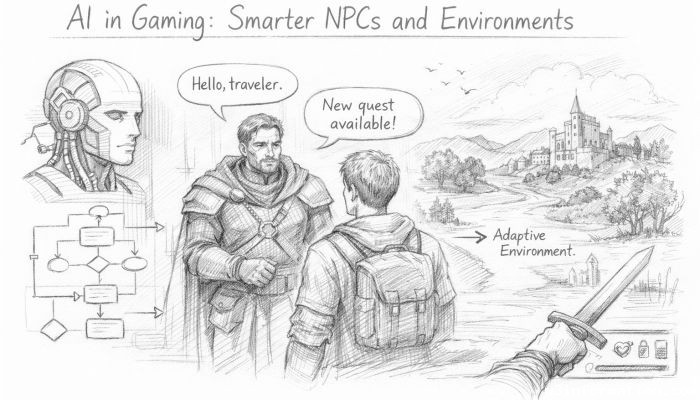 AI in Gaming: Smarter NPCs and Environments
 Understanding Bias in AI Algorithms
 Introduction to Chatbots and Conversational AI
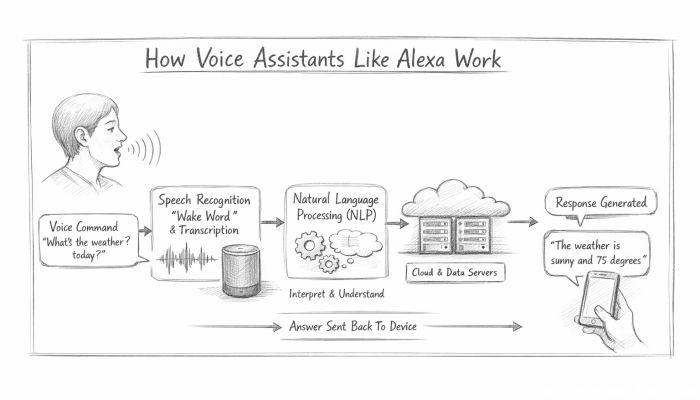 How Voice Assistants Like Alexa Work
 Federated Learning: AI Without Sharing Data