How to Get Started with Digital Illustration
Digital illustration has made it possible for artists to explore in ways that were nearly unimaginable even ten years ago. No longer is it necessary to have a studio of paints, canvases, and other supplies that often run into the hundreds of dollars before you can bring your ideas to life. All it takes is a device, a set of tools, and a willingness to learn. Whether you sketch characters at 2 AM with the ambition of someday illustrating children’s books or dabbling in art as a creative outlet, digital illustration is flexible, freeing, and full of potential. But where to start? It’s easy to feel overwhelmed staring at your shiny new tablet for the first time, or even scrolling online at the dizzying array of choices for software, brushes, layers, and resolutions. This article is intended to help you dip your toes into the world of digital illustration, by breaking down some of the tools, skills, and mindsets that will get you started on your journey. If you have ever thought “I want to start drawing” here’s how.
- What Is Digital Illustration and Why It Matters
- Choosing the Right Device for Digital Illustration
- Understanding Digital Illustration Software
- Getting Familiar with Brushes, Layers, and Tools
- Learning the Basics of Digital Drawing Skills
- Developing Your Personal Art Style
- Creating a Consistent Practice Routine
- Using References and Studying from Life
- Common Beginner Mistakes in Digital Illustration
- Sharing Your Work and Building Confidence
- Learning from Tutorials Without Getting Stuck
- Exploring Opportunities in Digital Illustration
- Conclusion
- More Related Topics
What Is Digital Illustration and Why It Matters
Digital illustration refers to the process of creating artwork using digital tools and platforms, as opposed to traditional mediums like pen and paper. Digital illustrators use tablets, styluses, and software applications to draw, paint, and create their work in a digital environment. One of the reasons digital illustration has become so powerful and popular is the potential for versatile application. The same artwork can be used for social media, books, games, websites, animation, or print media without having to recreate it from scratch in a different format.

Digital illustration also opens up the door to experimentation. Mistakes can be undone, colors can be unlimited, and ideas can be changed without fear of “ruining” a piece of art. For beginners, the freedom of the digital space can be a huge relief—no pressure. Digital illustration is not competing with or destroying traditional art; it is giving rise to a new generation of possibility and democratizing the creative process more than ever before.
Choosing the Right Device for Digital Illustration
One of the first questions you will have to answer when starting out with digital illustration is, “what should I draw on?” Luckily, this question does not have one straightforward answer. There is no single “best” device or brand, just what works for you and your budget. Many artists prefer the combination of a drawing tablet and computer while others use an all-in-one tablet with a screen. We will explore options in more depth in a later section, but for now, the main point is to remember that every artist has to start somewhere.
Screen tablets allow you to draw exactly where you see your lines appear, which can feel more intuitive to beginners. On the other hand, non-screen tablets are less expensive and more powerful once you get the hang of the hand-eye coordination required. Devices like iPads are also very popular due to their portability and app selection. Whatever you choose, do not let it define your potential as an artist or illustrator—many of the greats have gotten where they are starting with a simple, basic setup.
Understanding Digital Illustration Software
Software is the place where your artwork will come to life. Digital illustration programs can range widely in their features, complexity, and price, but most will include essential tools like brushes, layers, color adjustments, and drawing modes. Beginner-friendly software usually strikes a balance between power and accessibility, allowing artists to focus on drawing without getting lost in menus or complicated features.
One common trap for new digital illustrators is trying to get the “most professional” or complex software as soon as possible. This will only lead to frustration and overwhelm, hindering rather than helping your progress. Instead, choose a software that feels comfortable and intuitive to you, and take the time to learn it inside and out. Deep understanding of one program is better than surface-level knowledge of many. Remember, the tool does not make the artist—your software is only as great as you are.
Getting Familiar with Brushes, Layers, and Tools
If you have ever opened a digital illustration program before, the tools alone can be overwhelming. Brushes can come in the hundreds or thousands with different textures and properties. Layers add additional complexity to keep your lines, sketches, and colors separate.
Start with a few basic brushes and learn how to use them. Experiment with pressure sensitivity and different stroke types. Use layers intentionally and learn what they are useful for. Sketch on one layer, ink on another, keep color underneath, etc. Over time these tools will become second nature and will expand your potential, not bog down your workflow. It is much more important to understand the basic functions of digital illustration than it is to master fancy effects early on.
Learning the Basics of Digital Drawing Skills
Digital tools do not make or break your fundamental art skills. Line confidence, shape, proportion, light, and shadow all matter just as much as in traditional mediums. If you are brand new to drawing in general, digital illustration is a great medium to learn, but do not be in a rush. Try practicing sketching simple forms first, studying references and drawing daily.
Use the benefits of digital art like undo and transformations to your advantage, but not as crutches. In the end, improvement will come from the repetition of practice and good observation, not raw output or obsession over perfection. Every professional artist you admire was once a beginner making the same simple choices you are making now to improve.
Developing Your Personal Art Style
One of the most common and difficult questions beginners face is “what style should I draw?” In reality, style is not something that you can choose or adopt, it is something that happens. Style forms and develops over time, as you practice, find influences, and experiment.
It is good to explore and find art styles you enjoy, but avoid getting stuck trying to replicate one particular artist. Look at a range of influences, combine techniques and try things. Your style will grow as you practice and become more confident in your own voice. Do not worry too much about “finding” your style, just focus on drawing.
Creating a Consistent Practice Routine
Consistency is much more important than raw talent when it comes to learning digital illustration. You do not need to draw for hours a day every day to improve, but it does help to have a regular practice schedule. Showing up is key.
Set realistic and manageable goals for yourself based on your schedule, like sketching every day, finishing one illustration per week, or mastering a particular skill each month. Try not to compare your speed or learning curve to other artists. Everyone learns at their own pace, and much of the growth happens out of sight before it becomes visible. A steady practice routine builds momentum that turns a hobby into confidence.
Using References and Studying from Life
References are not cheating, they are learning. Most professional illustrators use references every day to study anatomy, lighting, textures, or perspective. Photographs, real-life objects, and even other art can be used as references to train your eye and improve accuracy.
As you practice, using references well will become second nature, but over time your reliance on them will decrease as your visual memory and skills strengthen. The goal is not to replicate, but to understand. Combining observation with imagination is what makes great illustrations more believable and alive.
Common Beginner Mistakes in Digital Illustration
There are a number of common beginner mistakes to be aware of when starting out in digital illustration, some of which have been mentioned previously. One is over-reliance on the myriad effects and filters in digital programs, at the cost of good fundamentals. Another is not allowing yourself to make mistakes by relying too heavily on the undo button or eraser, which interrupts flow and confidence.
Perfectionism and self-criticism are also huge obstacles for beginners. Many artists abandon pieces too early or never share their work at all. Imperfect or unfinished art is still art, and it still teaches you something. Improvement and growth only come from finishing, reflecting, and repeating—not endless tweaking and comparison.
Sharing Your Work and Building Confidence
Sharing your digital illustrations online is another huge step in your growth as an artist, but it can also be intimidating. Posting your artwork is one of the best ways to track your progress, receive feedback, and connect with other artists and communities. You can start small by sharing with friends, art communities online, or even personal accounts.
Confidence comes from visibility, not waiting until you feel ready or your skills are polished. Every artist has a start point, and most people will be inspired or impressed by honesty and effort more than perfection. Your work is worth sharing, even while you are still learning.
Learning from Tutorials Without Getting Stuck
Online tutorials are one of the greatest resources for learning digital illustration, but also one of the biggest potential time traps. It can be easy to get caught up in an endless cycle of watching tutorials and not practicing, which feels like progress but is not. Learning happens in the application.
Choose tutorials that are a match for your skill level and goals. Pause often, experiment, and try to adapt the techniques to your own projects. Tutorials are not rules, they are guides to inspire you. The real development of your own voice as an artist happens when you practice on your own, not when you follow steps precisely.
Exploring Opportunities in Digital Illustration
Digital illustration can open many doors as your skills develop. Some people choose to use it as a hobby or side project while others seek freelance work, commissions, or creative careers. Illustration has applications in publishing, games, education, marketing, and entertainment.
You do not need to decide your future path immediately, nor should you. In the beginning, it is best to focus on skill-building and finding enjoyment. Opportunities will naturally present themselves as your work improves and your confidence builds. Passion combined with consistency will create forward momentum over time.
Conclusion
Digital illustration is a medium that has made it easier than ever for artists to learn and explore their creativity. Getting started is often less about having the “best” or most expensive tools and more about giving yourself permission to begin. It is a journey filled with curiosity, self-doubt, small victories, and moments of genuine delight. From choosing a device and learning basic tools to developing skills, personal style, and the confidence to share your work, each step of the journey builds on the last. Digital illustration is a space full of freedom—in experimentation, in making mistakes, and in setting your own pace. Whatever your goals as a digital artist are, whether self-expression, storytelling, or a future career path, the most important thing is to keep drawing. Progress is not made by waiting to feel ready, it is made by showing up, learning, and trusting your creativity is worth developing.
 Big O Notation Explained for Beginners
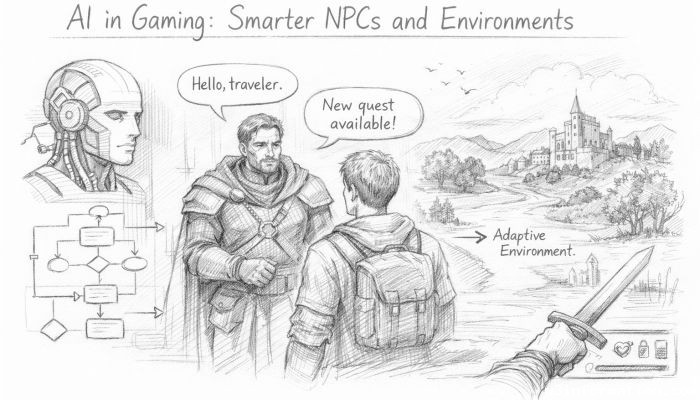 AI in Gaming: Smarter NPCs and Environments
 Understanding Bias in AI Algorithms
 Introduction to Chatbots and Conversational AI
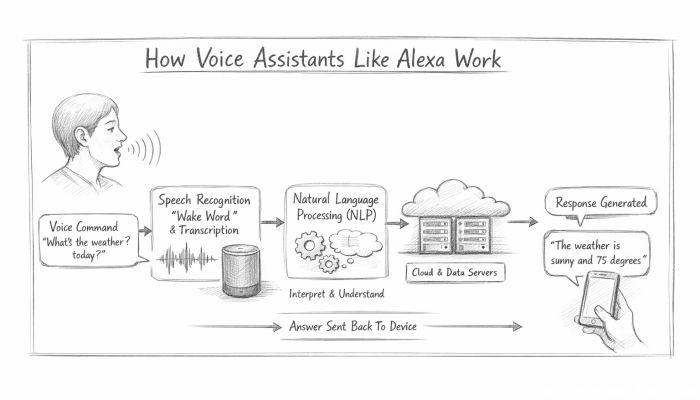 How Voice Assistants Like Alexa Work
 Federated Learning: AI Without Sharing Data