Importance of Code Documentation
In the rapidly evolving world of software development, writing clean and efficient code is only part of the equation for creating successful applications. Equally vital, yet often overlooked, is the practice of code documentation. Code documentation serves as the backbone for understanding, maintaining, and enhancing software projects, especially as they scale or change hands between developers over time. From providing clarity on complex logic to streamlining collaboration among team members, documentation plays a pivotal role in making codebases accessible and sustainable. This article explores the multifaceted importance of code documentation, its impact on software quality, and practical strategies to implement effective documentation practices that can transform a good developer into an exceptional one.
- What is Code Documentation?
- Enhancing Code Readability and Understanding
- Facilitating Collaboration and Teamwork
- Accelerating Onboarding Processes
- Enabling Easier Maintenance and Debugging
- Supporting Code Reusability
- Improving Software Quality and Consistency
- Facilitating Future Development and Scalability
- Bridging the Gap Between Developers and Non-Technical Stakeholders
- Automating and Streamlining Development Workflows
- Overcoming Common Challenges in Code Documentation
- Best Practices for Effective Code Documentation
- The Role of Documentation in Open Source Projects
- Conclusion
- More Related Topics
What is Code Documentation?
Code documentation refers to written text and illustrations that accompany source code, explaining how it works, why particular decisions were made, and how to use or modify the code. It can range from inline comments within code files to external documents such as README files, API references, and technical specifications. The primary goal of documentation is to convey information that helps developers understand the code’s functionality, structure, and dependencies. This understanding is crucial not only for the original author but also for other team members, future maintainers, and even automated tools that rely on metadata for generating reports or validating code.

Enhancing Code Readability and Understanding
One of the most immediate benefits of code documentation is improved readability. While well-written code should be self-explanatory to some degree, complex algorithms, design patterns, or business logic may still be difficult to decipher just by reading the code. Documentation bridges this gap by offering concise explanations, clarifying assumptions, and pointing out special cases. This additional context reduces the cognitive load on developers, allowing them to comprehend code more quickly and with greater accuracy. Ultimately, readable and well-documented code accelerates development cycles and reduces errors caused by misunderstandings.
Facilitating Collaboration and Teamwork
Software development is rarely a solo endeavor. Teams of developers often contribute to the same codebase, requiring clear communication channels to align efforts and share knowledge. Documentation acts as a common language among team members, enabling seamless collaboration. It provides new or external contributors with a roadmap to the system architecture, coding conventions, and feature implementations. Without adequate documentation, onboarding new team members becomes arduous, and knowledge tends to remain siloed in individuals’ minds. Thus, maintaining comprehensive documentation fosters a collaborative culture and mitigates knowledge loss when team members transition.
Accelerating Onboarding Processes
When new developers join a project or company, understanding existing codebases can be one of the most challenging aspects of their integration. Comprehensive documentation serves as an invaluable resource for onboarding by offering background information, setup instructions, and clear explanations of core components. This eases newcomers into their roles, reduces ramp-up time, and boosts confidence. Well-documented projects also help managers identify training needs more effectively and assign tasks that align with developers’ skill levels, ultimately enhancing team productivity.
Enabling Easier Maintenance and Debugging
Software systems often need continuous maintenance to fix bugs, add features, or improve performance. Documentation provides crucial insights into why certain design choices were made and how components interact, which is essential when diagnosing problems or implementing changes. When bugs arise, developers who have access to detailed documentation can troubleshoot more efficiently by understanding expected behaviors and system constraints. Furthermore, documentation becomes vital in environments where downtime or errors have significant consequences, such as in healthcare or financial systems.
Supporting Code Reusability
Reusing code reduces redundancy and accelerates development, but effective reuse depends heavily on understanding how and when to apply existing components. Documentation supports code reuse by describing interfaces, inputs, outputs, and side effects clearly. Developers can assess whether a module fits their needs without having to reverse-engineer the code themselves. In addition, reusable libraries and frameworks with well-maintained documentation gain broader adoption within the developer community, investing time upfront in documentation pays dividends in longevity and utility.
Improving Software Quality and Consistency
Consistent documentation often goes hand-in-hand with coding standards and best practices. Projects emphasizing documentation typically enforce uniform styles and structures, which leads to more predictable and maintainable codebases. This consistency reduces misunderstandings and improves code reviews since deviations stand out more clearly. Additionally, some forms of documentation, such as test descriptions or design rationale, contribute directly to software quality by articulating requirements and constraints. Collectively, these factors promote higher levels of reliability, security, and user satisfaction.
Facilitating Future Development and Scalability
Software projects rarely remain static; they evolve to meet new user demands, incorporate new technologies, or adapt to changing markets. Documentation acts as the recorded history of a project’s technical evolution, enabling developers to extend functionality intelligently without introducing regressions. Scalable software architectures need well-documented modules and APIs so additions or modifications can be integrated smoothly. Essentially, documentation empowers developers to build on existing work rather than starting from scratch or making uninformed assumptions.
Bridging the Gap Between Developers and Non-Technical Stakeholders
While code itself is a language primarily understood by developers, many software projects require alignment with business goals, product requirements, or compliance standards. Documentation tailored for non-technical audiences such as project managers, clients, or regulatory bodies establishes transparency and accountability. Clear documentation of functionality, data flows, and security measures helps all stakeholders appreciate the scope and limitations of software solutions, fostering better decision-making and trust.
Automating and Streamlining Development Workflows
Modern development environments incorporate tools that generate documentation automatically from code comments or metadata. By maintaining good documentation practices, developers can leverage these tools to produce up-to-date API references, system diagrams, or changelogs with minimal manual effort. Automation reduces human error and ensures documentation stays synchronized with code changes. Additionally, documentation integrated into continuous integration/continuous deployment (CI/CD) pipelines enhances traceability and compliance without hindering agility.
Overcoming Common Challenges in Code Documentation
Despite its importance, many developers neglect documentation due to perceived time constraints, lack of standards, or inadequate incentives. Overcoming these obstacles requires cultivating a culture that values documentation as a critical quality attribute. Utilizing documentation templates, integrating documentation tasks into sprints, and employing peer reviews can embed documentation into the development lifecycle. Education and leadership support also play essential roles in overcoming misconceptions and motivating ongoing documentation efforts.
Best Practices for Effective Code Documentation
To maximize the benefits of documentation, best practices should be followed. These include writing clear, concise, and relevant explanations; updating documentation alongside code changes; structuring documents logically; and using consistent terminology. Employing tools like Markdown, Docstrings, or specialized software such as Doxygen or Swagger can enhance readability and maintainability. It is also important to balance detail with brevity, avoiding over-documentation that can overwhelm or confuse readers. Ultimately, effective documentation is user-centric, anticipating the questions and needs of its audience.
The Role of Documentation in Open Source Projects
Open source projects exemplify the crucial role documentation plays in welcoming and retaining contributors. With contributors scattered globally, clear and accessible documentation lowers barriers to entry and fosters diverse community engagement. Documentation ranging from contribution guidelines to architectural overviews empowers developers to participate meaningfully, accelerating innovation and collective problem-solving. Successful open source initiatives often highlight their documentation quality as a key component of their impact and longevity.
Conclusion
Code documentation stands as a cornerstone of sustainable software development, influencing every phase from initial coding to long-term maintenance and scaling. It enhances code readability, promotes effective collaboration, accelerates onboarding, and improves software reliability and reuse. Far beyond a mere formality, documentation acts as a strategic asset that bridges technical and non-technical realms, aligning development with broader business goals. By embracing robust documentation practices and overcoming common challenges, development teams can ensure their code remains understandable, adaptable, and valuable for years to come. In a field defined by rapid change and complexity, well-documented code is the beacon guiding developers through innovation and continuity alike.
 Big O Notation Explained for Beginners
 AI in Gaming: Smarter NPCs and Environments
 Understanding Bias in AI Algorithms
 Introduction to Chatbots and Conversational AI
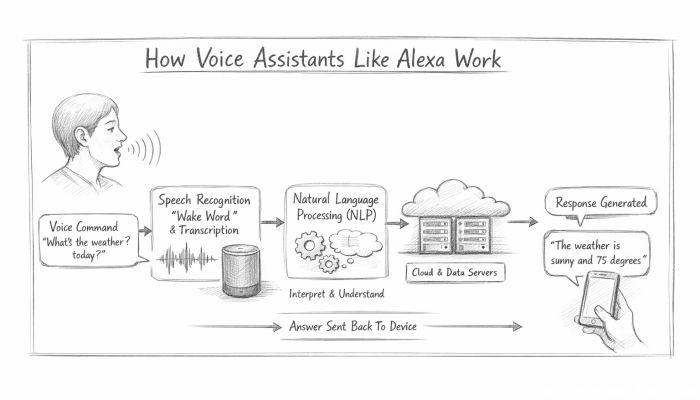 How Voice Assistants Like Alexa Work
 Federated Learning: AI Without Sharing Data