Importance of Security Awareness Training
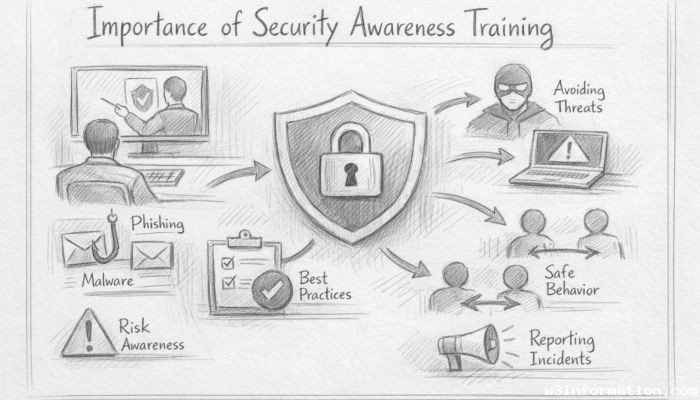
In an era where cyber threats evolve with alarming speed and sophistication, organizations face unprecedented challenges in protecting their data and systems. Security breaches, ransomware attacks, phishing scams, and insider threats are becoming more commonplace, putting sensitive information and operational integrity at significant risk. While technological defenses like firewalls and antivirus software provide a vital first line of defense, the human element remains the most vulnerable and unpredictable link in cybersecurity. This is where security awareness training plays a crucial role. By educating employees about potential risks, best practices, and proactive behavior, organizations can turn their workforce from a liability into a strong front-line defense. This article explores the multifaceted importance of security awareness training and why it is indispensable in creating a resilient and secure organizational environment.
- Understanding the Cybersecurity Landscape
- Reducing Human Error: The Primary Cause of Security Breaches
- Promoting a Security-First Culture
- Empowering Employees Through Knowledge
- Mitigating Financial and Reputational Losses
- Compliance with Regulatory Requirements
- Enhancing Incident Response Capabilities
- Addressing Insider Threats
- Adapting to Remote and Hybrid Work Environments
- Continuous Learning and Keeping Pace with Evolving Threats
- Building Customer Confidence and Trust
- Leveraging Technology to Support Training Efforts
- Conclusion
- More Related Topics
Understanding the Cybersecurity Landscape
The cybersecurity landscape is dynamic and constantly changing, characterized by an array of threats that exploit human and technical vulnerabilities. Attackers use increasingly clever social engineering tactics to deceive users, often bypassing even the most advanced technological controls. Understanding this landscape is essential in appreciating why all employees, regardless of their technical knowledge, need security awareness training. Such training equips them with the knowledge to identify and respond appropriately to threats like phishing emails, suspicious links, or data leaks.
Reducing Human Error: The Primary Cause of Security Breaches
Studies consistently reveal that a majority of security breaches stem from human error. Mistakes such as clicking on malicious links, using weak passwords, or mishandling sensitive information often open the door for attackers. Security awareness training focuses on reducing these errors by teaching staff how to recognize threats, adopt safer practices, and report potential incidents promptly. Employees become more vigilant and less likely to fall victim to common cyber attacks, significantly lowering the risk of breaches.
Promoting a Security-First Culture
Security isn’t just the responsibility of the IT department; it is an organization-wide mandate. Security awareness training fosters a culture where security is integrated into every action and decision. When employees understand the importance of safeguarding company assets, data, and personal information, they become active participants in the organization’s cybersecurity efforts. This cultural shift encourages adherence to policies and protocols, reinforcing a collective commitment to protection.
Empowering Employees Through Knowledge
Knowledge is power, especially in cybersecurity. Security awareness training empowers employees by providing them with actionable knowledge about cyber threats, safe use of devices, and secure data handling. Empowered employees are less likely to feel intimidated or confused by security protocols; instead, they understand the reasons behind policies and are more confident in their ability to contribute positively to security initiatives.
Mitigating Financial and Reputational Losses
Security breaches can have devastating financial consequences, ranging from regulatory fines to costly recovery efforts. Beyond monetary losses, reputational damage can erode customer trust and negatively impact business relationships. Security awareness training acts as a preventative measure, drastically reducing the likelihood of successful attacks that lead to these consequences. By lowering risk, organizations protect both their bottom line and their public image.
Compliance with Regulatory Requirements
Many industries are subject to strict data protection regulations such as GDPR, HIPAA, and PCI DSS, which mandate certain levels of employee training and awareness. Failure to comply with these requirements can result in severe penalties. Security awareness training helps organizations meet these legal obligations by ensuring employees understand compliance standards and their role in upholding them. This proactive approach not only avoids fines but also demonstrates a commitment to ethical data stewardship.
Enhancing Incident Response Capabilities
Training employees to recognize and report suspicious activities promptly enhances an organization’s incident response capabilities. Early detection of threats allows security teams to react quickly, minimizing damage and preventing escalation. Security awareness programs often incorporate simulated phishing tests and real-world scenarios to prepare employees for identifying unusual activities. This preparedness strengthens the overall security posture.
Addressing Insider Threats
Not all threats come from outside the organization; insiders—whether malicious or negligent—pose significant risks. Security awareness training educates employees about the consequences of careless behavior and the importance of accountability. It also raises awareness about the signs of insider threats and encourages personnel to report suspicious actions discreetly. Addressing the insider threat cultivates a more secure environment from within.
Adapting to Remote and Hybrid Work Environments
The rise of remote and hybrid work models adds complexity to cybersecurity. Employees working outside traditional office networks face different vulnerabilities, such as unsecured Wi-Fi, personal devices, and potential distractions. Security awareness training tailored to these environments teaches remote workers best practices for safeguarding data, using VPNs, managing devices, and maintaining vigilance when outside the corporate perimeter.
Continuous Learning and Keeping Pace with Evolving Threats
Cyber threats never stand still; attackers continually develop new techniques to breach defenses. Security awareness training should therefore be an ongoing process rather than a one-time event. Regular refresher courses, updates on emerging threats, and continuous engagement help ensure that employees remain alert and informed. This continuous learning approach enables organizations to adapt swiftly to the changing threat landscape.
Building Customer Confidence and Trust
In the eyes of customers and partners, strong security practices manifest in trustworthiness and reliability. Organizations that invest in comprehensive security awareness training demonstrate a responsible approach to data protection, which can be a decisive factor when choosing vendors or service providers. This trust translates into competitive advantage, client retention, and brand loyalty.
Leveraging Technology to Support Training Efforts
Modern security awareness training programs are enhanced by technology such as interactive modules, gamification, real-time simulations, and analytics. These tools increase engagement, making learning more effective and memorable. Analytics provide insights into employee performance, allowing organizations to identify gaps and tailor future training accordingly. Leveraging technology ensures that training is not just informative but also dynamic and impactful.
Conclusion
Security awareness training is no longer an optional add-on; it is a fundamental component of comprehensive cybersecurity strategy. By equipping employees with the knowledge, skills, and mindset to identify and mitigate threats, organizations transform their workforce into a formidable line of defense. This training reduces the risks of costly breaches, supports compliance, fosters a security-oriented culture, and strengthens the incident response framework. As cyber threats continue to grow in complexity and scale, investing in ongoing security awareness training becomes imperative for safeguarding not only sensitive data and systems but also the organization’s reputation and viability. Ultimately, the collective vigilance and informed actions of employees empower businesses to navigate the digital world with confidence and resilience.
 How to Make the Most of Your Holiday Break
 The Best Winter Destinations for a Cozy Getaway
 How to Organize Your Holiday Travel Plans with Ease
 The Ultimate Guide to Cooking for a Crowd
 How to Make Healthy Comfort Food Without the Guilt
 5 Delicious Vegan Breakfast Ideas You Can Make in Minutes