GDPR and Its Impact on Businesses
In an increasingly digital world, where data flows across borders at lightning speed and technological innovations collect unprecedented amounts of personal information, the issue of data privacy has become a paramount concern. The introduction of the General Data Protection Regulation (GDPR) by the European Union in May 2018 marked a pivotal moment in data protection legislation. Designed to harmonize data privacy laws across Europe, empower individuals with control over their personal data, and impose strict rules on organizations handling such information, GDPR has sent ripples far beyond EU borders. For businesses of all sizes and sectors, GDPR has transformed how data is collected, stored, and processed. This article delves into the intricacies of GDPR, examining its origins, key principles, challenges, and enduring impact on businesses. We will explore the legal obligations it imposes, the operational and financial consequences, and strategies companies can adopt to not only comply but thrive in this new regulatory landscape.
- Origins and Purpose of GDPR
- Key Principles of GDPR
- Definition of Personal Data Under GDPR
- Legal Bases for Data Processing
- Rights of Data Subjects
- Impact on Business Operations
- Financial Consequences and Penalties
- Data Breach Notification Requirements
- Role of Data Protection Officers (DPOs)
- Challenges for Small and Medium Enterprises (SMEs)
- International Implications of GDPR
- Future Outlook and Evolving Data Privacy Landscape
- Conclusion
- More Related Topics
Origins and Purpose of GDPR
The GDPR was born out of the need to modernize and unify the fragmented and outdated data protection laws prevalent across EU member states. Prior to the GDPR, the Data Protection Directive 95/46/EC governed data privacy but was ill-equipped to address the complexities of digital data in the 21st century. The explosion of internet use, e-commerce, and cloud computing created new vulnerabilities for personal data. The GDPR was designed to give individuals greater control over their information, ensure better transparency from organizations, and establish a uniform legal framework. Its fundamental purpose is to protect fundamental rights and freedoms of natural persons concerning personal data processing, recognizing data privacy as a basic human right in the digital era.
Key Principles of GDPR
At the heart of GDPR lie several core principles that businesses must adhere to when processing personal data. These include lawfulness, fairness, and transparency; purpose limitation; data minimization; accuracy; storage limitation; integrity and confidentiality; and accountability. For businesses, this means collecting only data that is necessary for specific, legitimate purposes; ensuring data is accurate and kept up to date; retaining data only for as long as necessary; and maintaining robust security to prevent breaches. Importantly, GDPR introduces the principle of accountability, requiring businesses not just to comply but to actively demonstrate compliance through policies, procedures, and documentation.
Definition of Personal Data Under GDPR
A critical element of GDPR is its broad and inclusive definition of personal data. It covers any information relating to an identifiable natural person, whether directly or indirectly identifiable. This includes obvious identifiers like names, addresses, and identification numbers, but also extends to IP addresses, biometric data, location data, and even online identifiers like cookies. For businesses, this wide scope means a significant amount of data collected and processed in everyday operations falls under GDPR’s umbrella, requiring careful scrutiny and compliance.
Legal Bases for Data Processing
GDPR outlines six lawful bases for processing personal data: consent, contract performance, legal obligation, vital interests, public interest, and legitimate interests. Each business activity involving personal data must be justified by one of these bases. For example, collecting customer data to fulfill a contract or comply with legal requirements is lawful. However, if consent is relied upon, it must be freely given, specific, informed, and unambiguous, with clear options to withdraw consent. Understanding and carefully applying these legal bases is crucial for avoiding violations and penalties.
Rights of Data Subjects
One of the most transformative aspects of GDPR is the empowerment of data subjects – the individuals whose data is processed. The regulation grants them several rights including the right to access their data, the right to rectification, the right to erasure (also known as the “right to be forgotten”), the right to data portability, the right to object to processing, and rights related to automated decision-making. Businesses must have processes in place to respond effectively and promptly to these requests, profoundly influencing customer service and data management strategies.
Impact on Business Operations
The introduction of GDPR has forced businesses to fundamentally reconsider and reorganize their data handling procedures. From updating privacy policies and consent forms to implementing data protection impact assessments (DPIAs), the regulation’s operational influence is far-reaching. Many businesses have had to invest in new IT infrastructure, enhance cybersecurity measures, and train employees extensively to meet GDPR requirements. This transformation often demands changes across multiple departments including marketing, legal, IT, and human resources, creating a culture where data protection is integral to everyday business operations.
Financial Consequences and Penalties
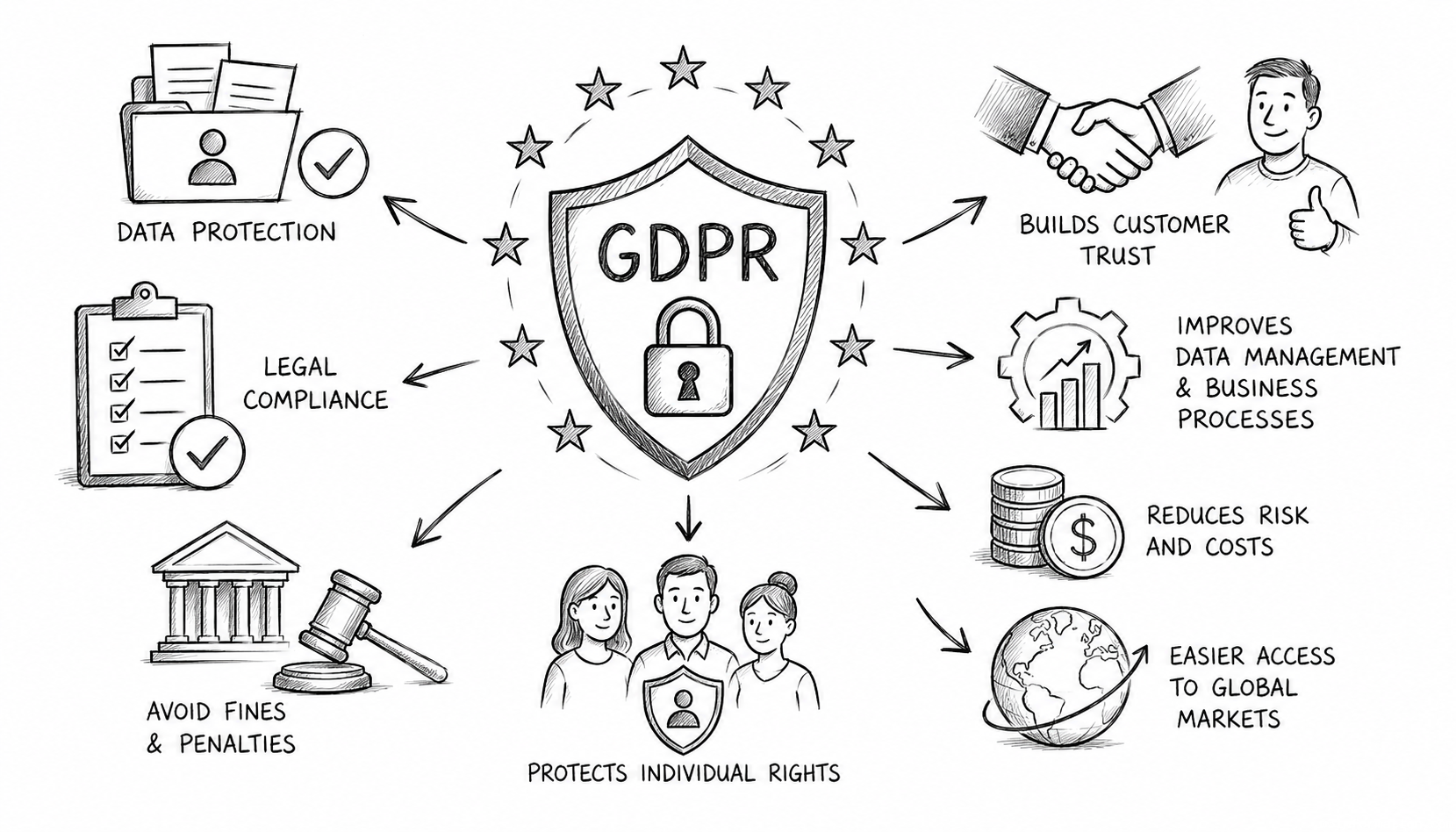
GDPR introduced stringent penalties for non-compliance, with fines reaching up to €20 million or 4% of global annual turnover, whichever is higher. Beyond monetary sanctions, data breaches can cause severe reputational damage, loss of customer trust, and potential lawsuits. This heightened risk environment has led businesses to prioritize data protection as a core governance issue. The financial consequences extend beyond fines, including costs related to breach notification, remediation, and potential operational disruptions.
Data Breach Notification Requirements
A notable innovation in GDPR is the obligation to notify data protection authorities within 72 hours of discovering a personal data breach that poses a risk to individuals’ rights and freedoms. If the risk is high, affected individuals must be informed without undue delay. This requirement mandates that businesses establish robust breach detection, investigation, and reporting mechanisms. The pressure to meet this stringent timeline has transformed incident response protocols, emphasizing preparedness and rapid action to minimize harm.
Role of Data Protection Officers (DPOs)
Depending on the nature and scale of data processing activities, GDPR requires certain organizations to appoint a Data Protection Officer. The DPO is responsible for monitoring compliance, advising on data protection obligations, conducting training, and serving as a liaison with regulatory authorities. This role has become central in many organizations, linking legal compliance with business operations and helping embed a culture of privacy across functions.
Challenges for Small and Medium Enterprises (SMEs)
While GDPR applies uniformly to businesses regardless of size, SMEs often face unique challenges. Limited resources, less sophisticated IT infrastructure, and fewer legal experts can make compliance daunting and costly. SMEs may struggle with interpreting complex legal jargon, implementing technical safeguards, and maintaining documentation. However, many also see GDPR as an opportunity to build trust with customers and differentiate themselves by demonstrating strong data ethics.
International Implications of GDPR
Though GDPR is an EU regulation, its extraterritorial reach means it applies to any organization processing data of EU residents, regardless of where the business is located. This has global implications, compelling non-EU companies to comply if they offer goods or services to EU residents or monitor their behavior. Consequently, GDPR has spurred other countries to update their data privacy laws and has become a benchmark standard influencing global data protection practices.
Future Outlook and Evolving Data Privacy Landscape
Data privacy is a continually evolving field, and GDPR represents a foundational, yet not final, step toward comprehensive data protection. Emerging technologies such as artificial intelligence, blockchain, and the Internet of Things pose new privacy challenges that will require adaptive regulation. The increased public awareness of data rights will likely fuel greater demand for transparency and accountability. Businesses must remain proactive, not only complying with GDPR but anticipating future regulatory shifts to foster sustainable, privacy-respecting business models.
Conclusion
The General Data Protection Regulation has undeniably reshaped the business landscape by placing data privacy at the forefront of operational and strategic considerations. Its far-reaching principles, stringent requirements, and powerful enforcement mechanisms have compelled organizations worldwide to rethink how they collect, manage, and protect personal data. While compliance presents complexities and costs, it also offers an opportunity to build stronger customer relationships, enhance brand reputation, and establish a competitive advantage in a privacy-conscious market. As digital transformation accelerates, GDPR serves as a critical guidepost, underscoring the importance of respecting individual rights in an interconnected world. Businesses that embrace these principles are better positioned to navigate the future with resilience and integrity.
 How to Make the Most of Your Holiday Break
 The Best Winter Destinations for a Cozy Getaway
 How to Organize Your Holiday Travel Plans with Ease
 The Ultimate Guide to Cooking for a Crowd
 How to Make Healthy Comfort Food Without the Guilt
 5 Delicious Vegan Breakfast Ideas You Can Make in Minutes