Role of Cybersecurity in Fintech
In today’s digital-first era, the financial technology (fintech) sector stands at the forefront of innovation, transforming how individuals and businesses manage, transfer, and invest money. From mobile payments and digital wallets to blockchain and robo-advisors, fintech platforms have revolutionized financial services, offering unprecedented convenience and accessibility. However, this rapid digital evolution comes with an escalating risk landscape—cyber threats that can compromise sensitive data, disrupt operations, and erode consumer trust. As fintech companies handle massive volumes of personal and financial information, cybersecurity has emerged as a foundational pillar to safeguard assets and maintain regulatory compliance. This article delves into the multifaceted role cybersecurity plays in fintech, exploring how it underpins technological advancement, protects stakeholders, and shapes the future of digital finance.
- The Growing Intersection of Fintech and Cybersecurity
- Protecting Sensitive Financial Data
- Combating Fraud and Identity Theft
- Regulatory Compliance and Legal Obligations
- Safeguarding Against Emerging Cyber Threats
- Cybersecurity as a Competitive Advantage
- The Role of Artificial Intelligence in Cybersecurity
- Blockchain and Cybersecurity in Fintech
- The Challenge of Cloud Security in Fintech
- Cybersecurity Workforce and Skills Development
- Incident Response and Recovery Planning
- Future Directions: Cybersecurity’s Evolving Role in Fintech
- Conclusion
- More Related Topics
The Growing Intersection of Fintech and Cybersecurity
Fintech is inherently intertwined with advanced technologies like artificial intelligence, blockchain, and cloud computing, all of which operate in dynamic digital environments. These technologies offer immense efficiency but also broaden the attack surface for cybercriminals. As fintech platforms scale and integrate with traditional financial infrastructures, the risk of cyber threats amplifies. Cybersecurity thus becomes crucial not only for protecting data but also for enabling safe innovation. Security protocols and frameworks ensure that fintech operators can leverage cutting-edge technologies without exposing their platforms or customers to vulnerabilities.
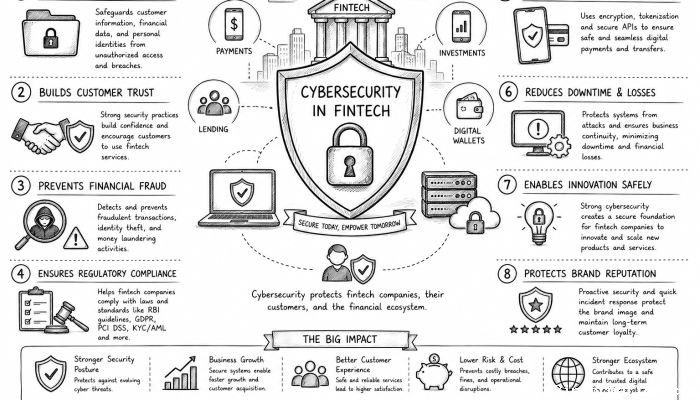
Protecting Sensitive Financial Data
At the core of fintech companies is the management of vast amounts of sensitive customer data—ranging from personal identities to banking credentials and transaction histories. Cybersecurity mechanisms such as encryption, tokenization, and secure authentication methods protect this information from unauthorized access and breaches. Given that financial data is a prime target for cybercriminals, robust data protection safeguards not only prevent fraud and theft but also uphold customer confidence, which is vital for fintech growth.
Combating Fraud and Identity Theft
One of the most pressing challenges in fintech is preventing fraud and identity theft. Sophisticated cyber-attacks, including phishing, account takeovers, and synthetic identity fraud, are frequent threats. Cybersecurity technologies such as biometric verification, behavioral analytics, and multi-factor authentication help identify and mitigate fraudulent activities in real-time. These tools provide fintech users with enhanced layers of security, allowing for seamless yet secure transactions.
Regulatory Compliance and Legal Obligations
Fintech companies operate under stringent regulatory frameworks that demand high cybersecurity standards to protect consumer interests. Regulations like the General Data Protection Regulation (GDPR), Payment Card Industry Data Security Standard (PCI DSS), and the California Consumer Privacy Act (CCPA) impose rigorous requirements on data security and breach reporting. Cybersecurity plays a pivotal role in ensuring compliance, reducing legal risks, and avoiding hefty penalties. Moreover, adhering to these regulations fosters trust among users and investors alike.
Safeguarding Against Emerging Cyber Threats
Cyber threats are not static; they evolve continually as hackers devise new attack vectors. Emerging threats such as ransomware, supply chain attacks, and zero-day exploits pose significant dangers to fintech infrastructures. Consequently, continual cybersecurity vigilance through threat intelligence, penetration testing, and real-time monitoring becomes essential. Fintech companies invest heavily in next-generation security solutions that proactively identify threats and neutralize them before damage occurs.
Cybersecurity as a Competitive Advantage
In a crowded fintech market, cybersecurity has become a defining factor for customer choice and brand reputation. Customers are increasingly aware of cybersecurity risks and prefer platforms that provide transparent and trustworthy security practices. By demonstrating strong cybersecurity measures, fintech firms can build a competitive edge, attract partnerships, and expand market share. Security certifications and third-party audits further enhance credibility in the eyes of users and regulatory bodies.
The Role of Artificial Intelligence in Cybersecurity
Artificial intelligence (AI) and machine learning are revolutionizing fintech cybersecurity by automating threat detection and response. AI algorithms analyze large datasets to identify patterns indicative of cyber attacks, often much faster than traditional systems. This allows fintech firms to respond swiftly to incidents, mitigating potential damages. Additionally, AI-driven tools help in customer authentication by analyzing behavioral biometrics, thereby reducing reliance on static passwords.
Blockchain and Cybersecurity in Fintech
Blockchain technology underpins many fintech innovations, especially in payments, lending, and asset management. Its inherent characteristics—decentralization, immutability, and transparency—offer enhanced security benefits by reducing single points of failure and enabling tamper-proof records. However, blockchain systems also require cybersecurity vigilance, especially in smart contract vulnerabilities and private key management, to prevent exploitation by malicious actors.
The Challenge of Cloud Security in Fintech
Cloud computing enables fintech organizations to scale quickly and innovate at low cost, but it introduces unique security challenges. Cloud environments are attractive targets for attackers due to their dynamic and multi-tenant nature. Ensuring proper configuration, access controls, and encryption are key cybersecurity priorities. Fintech firms must collaborate closely with cloud service providers to implement comprehensive security frameworks that protect data confidentiality, integrity, and availability.
Cybersecurity Workforce and Skills Development
The fintech sector faces a significant shortage of skilled cybersecurity professionals, which exacerbates security risks. Recruiting and training talented security experts is essential for designing, implementing, and maintaining effective security programs. Continuous education about emerging cyber threats and innovative defense techniques empowers fintech teams to stay ahead of attackers. Furthermore, fostering a security-centric culture across all organizational levels helps embed cybersecurity into everyday decision-making.
Incident Response and Recovery Planning
Despite best efforts, cybersecurity incidents may still occur. Having well-defined incident response plans enables fintech organizations to react swiftly and minimize impact. These plans include processes for detection, containment, eradication, and recovery, alongside clear communication strategies to inform affected stakeholders. Regular drills and updates to these protocols ensure readiness, helping fintech firms recover trust and operational normalcy quickly after breaches or outages.
Future Directions: Cybersecurity’s Evolving Role in Fintech
As fintech continues to innovate with emerging technologies like quantum computing, decentralized finance (DeFi), and the Internet of Things (IoT), cybersecurity will become even more critical. The security landscape will increasingly demand adaptive, intelligence-driven defenses capable of protecting complex ecosystems. Collaboration between fintech firms, regulators, and cybersecurity experts will be vital to develop standards and practices that balance innovation with security. Ultimately, cybersecurity will remain a foundational element enabling fintech’s promise of financial inclusion, efficiency, and trust.
Conclusion
Cybersecurity is no longer a peripheral concern but a central enabler of fintech’s transformative potential. Protecting sensitive financial data, combating fraud, ensuring regulatory compliance, and responding to evolving threats require comprehensive, adaptive security strategies. As fintech integrates cutting-edge technologies and expands its reach, cybersecurity secures the infrastructure that makes innovation possible. By prioritizing cybersecurity, fintech companies not only safeguard assets and user trust but also gain competitive advantages that propel sustainable growth. The future of digital finance depends on a harmonious relationship between innovation and security—one where cybersecurity remains a steadfast guardian of fintech’s promise to revolutionize the global financial landscape.
 How to Make the Most of Your Holiday Break
 The Best Winter Destinations for a Cozy Getaway
 How to Organize Your Holiday Travel Plans with Ease
 The Ultimate Guide to Cooking for a Crowd
 How to Make Healthy Comfort Food Without the Guilt
 5 Delicious Vegan Breakfast Ideas You Can Make in Minutes