How to start building portfolio website
In today’s digital age, having a compelling portfolio website is essential for professionals, creatives, and freelancers alike. It serves as a dynamic showcase of your skills, achievements, and personality, distinguishing you from the competition while providing potential clients or employers with an accessible way to evaluate your work. Whether you’re a designer, developer, writer, artist, or marketer, a well-crafted portfolio website can open doors to new opportunities and create lasting impressions. Building such a site might seem daunting at first, especially if you lack technical expertise, but with the right approach and tools, the process can be both manageable and rewarding. This article will guide you through the key steps, from planning your website’s structure and choosing the right platform to optimizing content and maintaining your site over time.
- Understanding the Purpose of Your Portfolio Website
- Planning Your Website Structure and Content
- Choosing the Right Platform: Website Builders vs. Custom Development
- Selecting a Domain Name and Hosting Service
- Designing for User Experience and Visual Appeal
- Writing Engaging and Clear Content
- Optimizing for Search Engines (SEO)
- Integrating Social Media and Networking Tools
- Testing and Launching Your Website
- Maintaining and Updating Your Portfolio Regularly
- Leveraging Analytics to Improve Your Website
- Encouraging Interaction and Building Relationships
- Exploring Advanced Features for Future Growth
- Conclusion
- More Related Topics
Understanding the Purpose of Your Portfolio Website
Before diving into design and development, it’s crucial to establish the purpose of your portfolio website. Are you aiming to attract freelance clients, land a full-time job, or simply share your passion projects with the world? Clarifying your goals will shape the content, tone, and functionality of your site. For example, an artist’s portfolio might emphasize high-resolution images and a visually striking design, whereas a writer’s site might focus on showcasing published articles with clean, readable typography. Knowing your audience’s expectations and preferences can also guide your decision-making process, making your portfolio more effective and engaging.
Planning Your Website Structure and Content
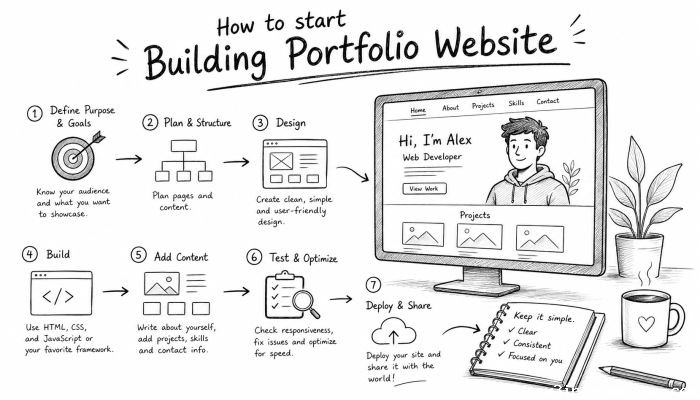
Once you’ve defined your goals, the next step is planning how your website will be organized. A common portfolio site includes sections such as Home, About Me, Portfolio or Work, Resume or CV, Testimonials, and Contact. Sketching a sitemap—a visual or textual layout of these pages—will help ensure coherent navigation and a logical flow. Consider how many projects or pieces you want to showcase. Quality should always take precedence over quantity; select your strongest work that aligns best with your career ambitions. Additionally, prepare concise descriptions or case studies to accompany your projects, explaining your role, tools used, challenges solved, and outcomes.
Choosing the Right Platform: Website Builders vs. Custom Development
Selecting the platform to build your portfolio website depends largely on your technical skills, budget, and customization needs. Website builders like Wix, Squarespace, and WordPress.com offer user-friendly drag-and-drop interfaces, pre-designed templates, and integrated hosting, making them ideal for beginners. On the other hand, if you have web development experience or need more control, self-hosted WordPress.org or custom-built sites using HTML, CSS, and JavaScript allow greater flexibility and scalability. Understanding these options ensures you make a well-informed choice that balances ease of use with design and functionality.
Selecting a Domain Name and Hosting Service
Your domain name is your digital address and plays a significant role in branding and searchability. Aim for a domain that is simple, memorable, and related to your name or profession—e.g., janedoe.design or johnsmithportfolio.com. Most website builders offer integrated hosting solutions and domain purchasing, simplifying this step. However, if opting for a self-hosted website, you’ll need to select a reliable hosting provider such as Bluehost, SiteGround, or HostGator. Pay attention to uptime guarantees, customer support, storage limits, and pricing to find a service that meets your needs and budget.
Designing for User Experience and Visual Appeal
Design is more than aesthetics; it’s about creating an intuitive and enjoyable browsing experience that highlights your work effectively. Emphasize simplicity and clarity by using ample white space, consistent fonts, and a balanced color palette. Navigation should be straightforward, enabling visitors to find information quickly. Responsive design is crucial, ensuring your site looks and functions well on desktops, tablets, and smartphones. Incorporate multimedia elements like images, videos, or interactive features judiciously to engage users without overwhelming them. Remember, your site’s design reflects your personal brand—it should resonate with your professional style and target audience.
Writing Engaging and Clear Content
Compelling content differentiates average portfolios from outstanding ones. Write a brief but impactful “About Me” section that tells your story, highlights your expertise, and conveys your personality. When describing your projects or work samples, focus on clear, jargon-free language that explains the context, your contribution, and results. Including testimonials from clients or colleagues boosts credibility, while a downloadable resume or links to social media profiles expand networking possibilities. Maintain a consistent tone—professional yet approachable—to foster connection and trust with your visitors.
Optimizing for Search Engines (SEO)
A beautiful portfolio is ineffective if no one can find it. Implementing basic Search Engine Optimization (SEO) strategies increases your website’s visibility on Google and other search engines. Start with keyword research—identify terms your target audience might use to find services or talents like yours. Incorporate these keywords naturally into your page titles, headers, descriptions, and project content. Ensure all images use descriptive alt text, and maintain fast loading speeds by compressing files. Additionally, create a blog or regular updates section where you share insights, project updates, or industry news, which can further improve SEO and demonstrate your expertise.
Integrating Social Media and Networking Tools
Linking your portfolio website to social media channels enhances your online presence and facilitates interaction with your professional community. Add visible icons or live feeds from platforms like LinkedIn, Twitter, Instagram, or Behance, depending on where you’re most active. Encourage visitors to connect, follow, and share your content. You might also include contact forms, newsletter sign-ups, or chatbots to cultivate leads and stay engaged. Social proof—and the ability to communicate easily—can make a significant difference in attracting new clients or employers.
Testing and Launching Your Website
Before going live, thorough testing ensures your portfolio works flawlessly across different browsers and devices. Verify navigation links, interactive elements, multimedia displays, loading speeds, and responsiveness. Solicit feedback from friends, colleagues, or mentors to identify areas for improvement that you might overlook. Check for spelling or grammatical errors, and make sure your contact information is accurate. Once satisfied, connect your domain and publish the site. Announce the launch through email, social media, and professional networks to generate initial traffic and momentum.
Maintaining and Updating Your Portfolio Regularly
A portfolio website is a living document that should evolve with your career. Schedule regular updates to add new projects, refresh outdated content, and remove work that no longer represents your current capabilities. Staying active with blog posts or news about your activities signals ongoing engagement and professionalism. Regularly back up your site and update software or plugins if applicable to keep it secure and functional. Monitoring website analytics can help you understand visitor behavior and refine your strategy to improve user experience and conversions.
Leveraging Analytics to Improve Your Website
Tools like Google Analytics provide valuable insights into how visitors interact with your portfolio website. Analyzing data such as the most viewed pages, visitor demographics, bounce rates, and traffic sources allows you to measure the effectiveness of your design and content choices. For example, if potential clients often leave after viewing the About page, you may need to make it more compelling or clear. Use this information to optimize your website continually, tailoring it better to your audience’s needs and increasing your chances of success.
Encouraging Interaction and Building Relationships
Beyond showcasing your work, a portfolio website offers opportunities for meaningful engagement. Consider adding a blog where you discuss industry trends, tutorials, or personal reflections, positioning yourself as a thought leader. Host webinars, workshops, or portfolios critiques via integrated platforms to connect directly with peers or clients. Respond promptly to inquiries received through your site’s contact forms or social media channels. Building relationships this way fosters trust, collaboration, and long-term professional growth, turning your portfolio from a static resume into a vibrant career hub.
Exploring Advanced Features for Future Growth
As your portfolio website matures, you may want to explore advanced functionalities that enhance its impact. Integrating e-commerce capabilities lets you sell digital products, prints, or services directly through your site. Adding client login portals can provide secure access to private work samples or progress reports. Interactive galleries or animations can make your portfolio more engaging and memorable. While these features might require technical expertise or professional help, they represent ways to differentiate yourself and expand your online presence as your career evolves.
Conclusion
Starting to build a portfolio website is a pivotal step in establishing your digital identity and advancing your professional journey. By understanding your goals, planning an intuitive structure, and selecting the right platform, you lay a solid foundation for a successful online showcase. Thoughtful design, engaging content, and SEO optimization work together to attract and retain visitors, while integrating social media and networking tools broadens your reach. Ongoing maintenance, analytics, and interactive features ensure that your portfolio remains a vibrant and evolving asset. Ultimately, your portfolio website is more than a collection of work—it’s a reflection of your unique skills, story, and aspirations, opening doors to opportunities you aspire to grasp. With commitment and creativity, building your portfolio website is not just a task but a dynamic process that propels your career forward.
 How to Make the Most of Your Holiday Break
 The Best Winter Destinations for a Cozy Getaway
 How to Organize Your Holiday Travel Plans with Ease
 The Ultimate Guide to Cooking for a Crowd
 How to Make Healthy Comfort Food Without the Guilt
 5 Delicious Vegan Breakfast Ideas You Can Make in Minutes