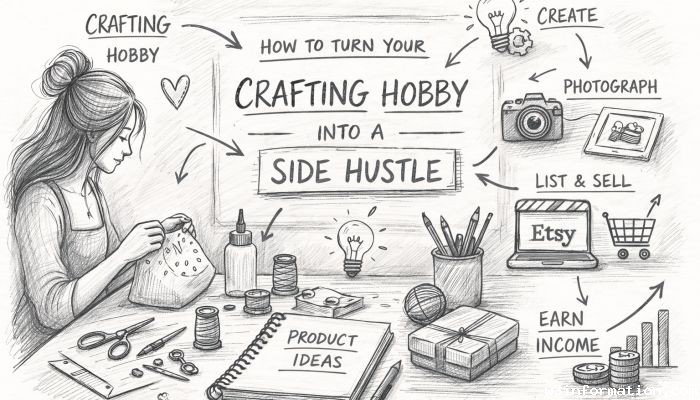
How to Turn Your Crafting Hobby Into a Side Hustle
What if the thing you love doing on quiet weekends—the knitting, painting, candle-making, jewelry designing, woodworking, or paper crafting—could actually earn you money? For many people, crafting starts as a creative escape. It’s a way to relax, express yourself, and make something tangible in a digital world. But over time, friends begin asking to buy your pieces. Strangers compliment your work. And a question starts to form: Could I turn this into something more?
Learning how to turn your crafting hobby into a side hustle isn’t about giving up the joy of creativity. It’s about building something sustainable around what you already love. With the right mindset, strategy, and consistency, your handmade creations can generate extra income while preserving your passion. This guide will walk you through practical steps—from validating your idea and pricing your work to marketing, branding, and avoiding burnout—so your hobby can grow into a fulfilling and profitable side venture.
- Clarify Why You Want to Start a Craft Side Hustle
- Validate Your Product Idea Before Investing Heavily
- Identify Your Unique Selling Point
- Set Realistic Pricing That Reflects Your Value
- Create a Simple but Professional Brand Identity
- Choose the Right Selling Platform
- Learn Basic Product Photography
- Develop a Consistent Production Workflow
- Market Through Storytelling, Not Just Selling
- Manage Your Time to Avoid Burnout
- Handle Finances and Legal Basics Responsibly
- Collect Customer Feedback and Improve
- Expand Slowly and Strategically
- Keep the Joy Alive in Your Craft
- Conclusion: Turning Passion Into Purposeful Profit
- More Related Topics
Clarify Why You Want to Start a Craft Side Hustle
Before jumping into selling, pause and reflect on your motivation. Do you want extra income? Creative fulfillment? Long-term business growth?
Understanding your “why” shapes your decisions. If your goal is flexibility and supplemental income, your approach may differ from someone aiming to build a full-time brand. Clarity prevents misalignment and future frustration.
Validate Your Product Idea Before Investing Heavily
Not every craft automatically translates into a profitable side hustle. Testing demand is essential.
Share your work with friends, post photos online, or create small batches to gauge interest. Notice which pieces attract attention and questions. Feedback helps you refine your offerings before committing significant time or money.
Identify Your Unique Selling Point
The handmade market can be competitive. Your success depends on what makes your craft different.
Is it your design style? Eco-friendly materials? Customization options? Personal storytelling? Defining your unique selling point helps your brand stand out and attract the right audience.
Set Realistic Pricing That Reflects Your Value
One of the biggest mistakes new craft entrepreneurs make is underpricing.
Calculate material costs, time spent, packaging, and overhead. Then add a fair profit margin. Pricing too low undervalues your work and leads to burnout. Remember: people who appreciate handmade products understand they are paying for craftsmanship, not just materials.
Create a Simple but Professional Brand Identity
You don’t need a large marketing budget to look professional. A cohesive brand identity builds trust.
Choose consistent colors, fonts, and photography styles. Create a simple logo and thoughtful packaging. Even small details—like a handwritten thank-you note—enhance the customer experience.
Choose the Right Selling Platform
Where you sell matters. Options include online marketplaces, social media shops, local craft fairs, or your own website.
Each platform has pros and cons. Online marketplaces offer exposure but charge fees. Social media requires consistent content. Craft fairs demand in-person presence. Choose what aligns with your lifestyle and goals.
Learn Basic Product Photography
In the digital marketplace, photos sell products. Clear, well-lit images significantly increase buyer interest.
Use natural light, neutral backgrounds, and multiple angles. Show scale and detail. Professional photography doesn’t require expensive equipment—just attention to clarity and presentation.
Develop a Consistent Production Workflow
As orders increase, organization becomes critical.
Create a repeatable workflow for sourcing materials, crafting, quality checking, packaging, and shipping. Efficiency reduces stress and ensures consistent product quality.
Market Through Storytelling, Not Just Selling
People buy handmade products because they connect emotionally with the maker.
Share your process, inspiration, challenges, and milestones. Storytelling builds authenticity and trust. Instead of focusing only on selling, focus on sharing your journey.
Manage Your Time to Avoid Burnout
Turning a hobby into a side hustle changes its dynamic. What once felt relaxing can start feeling like pressure.
Set boundaries around production hours and order limits. Protect time for personal creativity without deadlines. Sustainable growth requires balance.
Handle Finances and Legal Basics Responsibly
Even a small side hustle requires basic financial organization.
Track income and expenses, understand local business regulations, and consider simple accounting tools. Keeping records protects you as your venture grows.
Collect Customer Feedback and Improve
Customer reviews and feedback are valuable growth tools.
Listen openly and adjust when necessary. Continuous improvement strengthens your reputation and builds long-term loyalty.
Expand Slowly and Strategically
Growth should feel intentional, not rushed.
Instead of launching many products at once, refine your bestsellers. Introduce seasonal collections or limited editions to test new ideas. Thoughtful expansion preserves quality.
Keep the Joy Alive in Your Craft
The heart of your side hustle is your passion. Protect it.
Schedule time to create without commercial pressure. Experiment with new designs purely for fun. When joy remains part of your process, your work stays authentic and inspired.
 How to Make the Most of Your Holiday Break
 The Best Winter Destinations for a Cozy Getaway
 How to Organize Your Holiday Travel Plans with Ease
 The Ultimate Guide to Cooking for a Crowd
 How to Make Healthy Comfort Food Without the Guilt
 5 Delicious Vegan Breakfast Ideas You Can Make in Minutes