How to Make Your Own DIY Birthday Cards
Birthdays are special occasions that deserve heartfelt celebration and personalization. In today’s digital and mass-produced world, receiving a custom-made birthday card can make the recipient feel truly valued and appreciated. Making your own DIY birthday cards allows you to express creativity, tailor the message, and add unique touches that store-bought cards simply cannot offer. Whether you are a seasoned crafter or a complete beginner, crafting a card from scratch is both enjoyable and rewarding. This article will guide you through every step of making beautiful handmade birthday cards, from choosing materials to adding creative elements. By the end, you’ll be equipped with ideas, techniques, and inspiration to create memorable keepsakes that bring smiles and warm hearts.
- Understanding the Importance of Personalization in Birthday Cards
- Gathering Essential Materials to Start Your Project
- Selecting the Perfect Card Base and Size
- Choosing a Color Palette that Reflects the Recipient’s Personality
- Crafting Handwritten Messages that Speak from the Heart
- Incorporating Creative Design Elements and Techniques
- Using Stamps, Stickers, and Die-Cuts for Added Charm
- Experimenting with Different Paper Types and Textures
- Adding Embellishments and Finishing Touches
- Incorporating Interactive Features for a Fun Surprise
- Tips for Photographing and Sharing Your DIY Cards Online
- Ensuring Safe Packaging and Mailing for Your Handmade Cards
- Conclusion
- More Related Topics
Understanding the Importance of Personalization in Birthday Cards
Personalized birthday cards carry a message beyond the words inside them; they communicate thoughtfulness and effort. Unlike generic cards, a handmade card shows that you invested time to create something unique specifically for the recipient. This personalization can be evident through the card’s design, color scheme, themes reflecting the person’s interests, or even a handwritten note that touches on shared memories. By focusing on personalization, you make the card an emotional gift rather than a mere formality. Recognizing this distinction is the first step toward designing a meaningful birthday card.

Gathering Essential Materials to Start Your Project
Before diving into the creative process, it’s important to assemble the right materials. The essentials include high-quality cardstock or blank card bases, assorted colored paper, scissors, glue or double-sided tape, and writing utensils like markers or pens. You may also want to collect decorative items such as ribbons, stickers, washi tape, and stamps. Having the right materials at hand will ensure a smoother crafting experience. Additionally, consider any special tools like embossing machines, craft punches, or even a paper trimmer to enhance the card’s finish.
Selecting the Perfect Card Base and Size
The base of your birthday card sets the foundation for design and structure. Common options include folded cardstock in sizes such as A6 (4.5” x 6.25”), A7 (5” x 7”), or square formats. Thicker cardstock offers durability and a professional feel, while thinner paper may require layering for sturdiness. Choosing the size depends on the complexity of your design and the amount of space needed for your message. Smaller cards offer simplicity and elegance; larger cards provide room for elaborate decorations or pop-up features.
Choosing a Color Palette that Reflects the Recipient’s Personality
Colors convey emotion and set the mood of your card. Pick a palette that resonates with the recipient’s tastes or the theme of their celebration. For example, bright and cheerful colors like yellows, pinks, and turquoise suit a joyful party, while pastel hues might evoke a soft, elegant tone. If you’re unsure, neutral palettes with gold, white, and silver accents can be universally appealing. Harmonizing your colors will unify the design and create visual balance that delights the eye.
Crafting Handwritten Messages that Speak from the Heart
The inside message of your DIY birthday card is often the most cherished part. Taking the time to write a personal and sincere note surpasses any pre-printed greeting. Share favorite memories, express gratitude, or offer wishes tailored specifically to the individual’s hopes and dreams. If handwriting isn’t your strong suit, consider practicing beforehand or using calligraphy pens for a tidy and artistic look. Remember, authenticity and warmth matter more than perfect penmanship.
Incorporating Creative Design Elements and Techniques
To elevate your birthday card, experiment with design elements like layering different textures, creating embellishments, or adding dimensional details. Techniques such as stamping, embossing, die-cutting, and watercolor washes can add sophistication and originality. You might create pop-ups that surprise the recipient upon opening or use stencils for patterns and shapes. Even simple touches like glitter or sequins can provide that extra sparkle. Exploring various techniques keeps the crafting process fun and dynamic.
Using Stamps, Stickers, and Die-Cuts for Added Charm
Stamps, stickers, and die-cuts are perfect for enhancing a DIY card without requiring advanced artistic skills. Stamps offer consistent images that can be colored or embellished, perfect for borders, motifs, or sentiments. Stickers add quick decoration and are available in countless themes, from flowers to balloons. Die-cut shapes bring out clean, professional edges for tags or intricate designs. Combining these tools allows you to compose a balanced and lively card design with ease.
Experimenting with Different Paper Types and Textures
Paper choice dramatically affects the final look and feel of your birthday card. Beyond standard cardstock, consider specialty papers like vellum, textured linen, glitter sheets, or patterned scrapbook paper. Combining smooth and rough textures, or transparent and opaque layers, will create depth and sophistication. For example, layering vellum over a printed greeting softens the presentation while adding intrigue. Don’t hesitate to mix papers — the variety will inspire innovation and create a distinctive card.
Adding Embellishments and Finishing Touches
Embellishments such as ribbons, buttons, gems, and fabric trims add tactile beauty that makes your card stand out. Small additions placed thoughtfully can lend elegance or whimsy depending on the style. Make sure embellishments are securely attached using strong adhesives or double-sided tape to prevent damage during mailing or handling. Some crafters add a light scent by spraying the card with perfume or attaching a tiny charm for an extra personal touch. Finishing touches are the final brushstroke that completes your masterpiece.
Incorporating Interactive Features for a Fun Surprise
Interactive elements like pop-up inserts, pull tabs, spinning wheels, or shaker windows engage and delight the recipient. Pop-ups create a dynamic 3D effect, bringing the card to life. Pull tabs can reveal hidden messages or images, adding mystery and joy. Shaker cards containing sequins that move when shaken add playful movement and sparkle. These hands-on features increase the effort but make for unforgettable keepsakes that recipients treasure and display proudly.
Tips for Photographing and Sharing Your DIY Cards Online
Once completed, you may want to share your creations on social media or craft forums. To showcase your cards elegantly, photograph them in natural light against clean backgrounds. Capture multiple angles and close-ups of unique details. Editing slightly with brightness or contrast adjustments can improve the image while keeping colors true. Describing your process, tools, and inspiration alongside photos engages followers and invites feedback. Sharing your work also connects you with a community that encourages your crafting journey.
Ensuring Safe Packaging and Mailing for Your Handmade Cards
If you plan to send your DIY birthday cards through the mail, proper packaging is crucial to protect your handiwork. Use sturdy envelopes slightly larger than the card to prevent bending. Consider adding card sleeves or cardboard inserts for extra protection. When sending cards with fragile embellishments or bulkier elements, mark the envelope as “Do Not Bend” to alert postal workers. Good packaging preserves your craft so that it arrives in mint condition, ready to impress the recipient.
Conclusion
Creating your own DIY birthday cards is an enriching and creative endeavor that transforms a simple greeting into a treasured gift. From understanding the importance of personalization to selecting materials, designing with color and textures, and adding heartfelt messages and interactive elements, each step offers an opportunity to infuse meaning and artistry. Handmade cards deepen connections by reflecting genuine care beyond words. Whether for family, friends, or colleagues, sending a thoughtfully crafted card conveys joy, appreciation, and celebration in the most beautiful way. Embrace your creativity and let each card you make be a unique expression of your affection and artistic spirit.
 Big O Notation Explained for Beginners
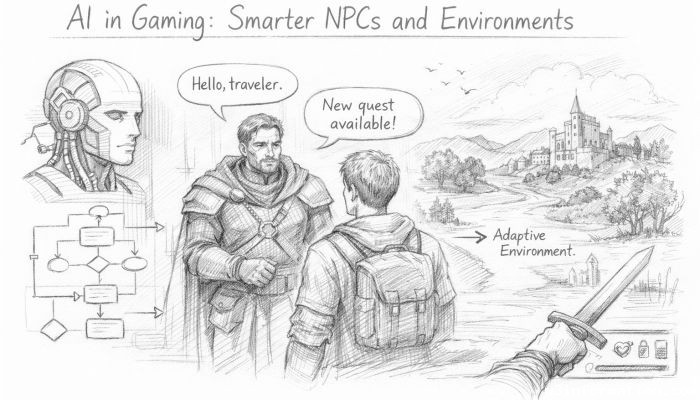 AI in Gaming: Smarter NPCs and Environments
 Understanding Bias in AI Algorithms
 Introduction to Chatbots and Conversational AI
 How Voice Assistants Like Alexa Work
 Federated Learning: AI Without Sharing Data