The Art of Embroidery: How to Get Started
Embroidery, a timeless craft that marries creativity with meticulous skill, has enchanted artisans and hobbyists for centuries. This art form involves decorating fabric or other materials using a needle and thread or yarn, transforming ordinary textiles into exquisite works of art. Whether adorning clothing, personal accessories, or home décor, embroidery offers a unique outlet for self-expression and a way to connect with cultural heritage or simply unwind in a meditative activity. For beginners intrigued by this intricate craft, the journey can be both exciting and rewarding, requiring patience, practice, and an understanding of fundamental techniques. This article will guide you through the essentials of getting started with embroidery, from selecting your materials to mastering basic stitches and developing your personal style.
- Understanding the History of Embroidery
- Essential Tools and Materials for Beginners
- Choosing the Right Fabric
- Types of Embroidery Threads
- Selecting and Using an Embroidery Hoop
- Basic Stitches to Learn First
- Transferring Designs onto Fabric
- Setting Up Your Workspace for Comfort and Efficiency
- Developing Your First Project
- Common Mistakes and How to Avoid Them
- Exploring Different Embroidery Styles
- Caring for Your Embroidery
- Joining the Embroidery Community
- Conclusion
- More Related Topics
Understanding the History of Embroidery
Embroidery traces its origins back thousands of years, with evidence found in ancient civilizations such as Egypt, China, and Persia. Historically, embroidery served both decorative and symbolic purposes, often denoting social status, cultural identity, and religious beliefs. Over time, the craft evolved alongside textile innovations, spreading through Europe and Asia, influenced by varying artistic traditions. Recognizing the rich history of embroidery helps appreciate its significance not only as a hobby but as a powerful mode of artistic communication and cultural preservation.
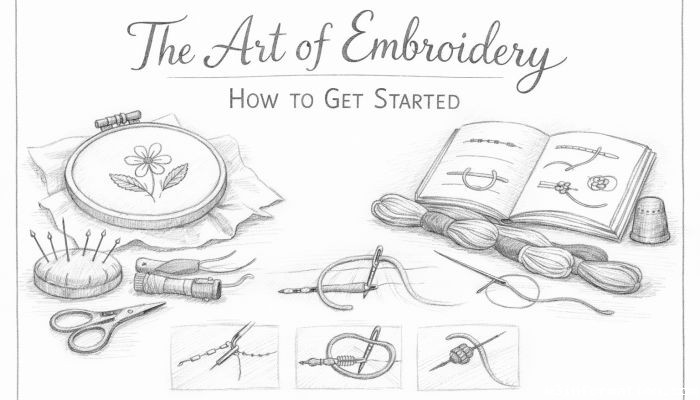
Essential Tools and Materials for Beginners
Before diving into stitches, it’s important to familiarize yourself with the basic tools and materials. A typical embroidery kit includes embroidery needles, scissors, embroidery hoops, and various threads such as cotton floss or silk. Choosing the right fabric is equally crucial, with cotton and linen being popular options due to their ease of stitching. Understanding the purpose of each tool ensures a smoother experience and helps avoid common frustrations that beginners might face.
Choosing the Right Fabric
Selecting an appropriate fabric lays the foundation for your embroidery project. Beginners often prefer tightly woven, medium-weight fabrics which allow the needle to pass easily without distorting the design. Cotton, linen, and muslin are excellent choices to start with as they offer a smooth surface and are widely available. As you advance, you may experiment with more delicate or textured fabrics like silk or denim for varied effects.
Types of Embroidery Threads
The choice of thread influences both the appearance and texture of your embroidery. Embroidery floss, typically made of six strands, can be separated to achieve different thicknesses. Cotton floss is versatile and vibrant, whereas silk thread offers a luxurious sheen. Other options include wool for a lofty effect and metallic threads for sparkle. Understanding how different threads interact with your fabric allows you to tailor your work to your aesthetic preferences.
Selecting and Using an Embroidery Hoop
An embroidery hoop is a circular frame that holds your fabric taut, making stitching easier and more precise. For beginners, wooden hoops ranging from 6 to 8 inches in diameter are ideal. Choosing the right size depends on your project; larger hoops accommodate bigger designs but can be cumbersome. Properly tightening the fabric within the hoop prevents puckering and uneven stitches, ultimately enhancing the quality of your finished work.
Basic Stitches to Learn First
Mastering fundamental stitches is key to building confidence and broadening your creative possibilities. Beginners should start with simple yet versatile stitches such as the running stitch, backstitch, satin stitch, and French knot. Each stitch serves different purposes—from outlining to filling shapes—and forms the building blocks for more complex patterns. Practicing these stitches regularly establishes good technique and hand control.
Transferring Designs onto Fabric
To embroider a specific pattern, you need to transfer your design onto the fabric. Various methods serve this purpose: tracing with a lightbox or window, using transfer pens or pencils, or employing iron-on transfer paper. Choosing the right technique depends on the fabric type and permanent or temporary nature of the markings you desire. Accurate transfer ensures that the stitches follow your intended design closely.
Setting Up Your Workspace for Comfort and Efficiency
Creating an inviting and organized workspace promotes better focus and enjoyment during embroidery sessions. Good lighting, preferably natural light or a dedicated lamp, alleviates eye strain. Comfortable seating and a flat surface to support your hoop contribute to good posture and reduce fatigue. Keeping your tools within easy reach and maintaining fabric cleanliness further streamlines your workflow.
Developing Your First Project
Starting with a simple project helps consolidate your skills and provides a tangible sense of accomplishment. Consider embroidery on a tea towel, a small hoop art piece, or embellishing a handkerchief. Choose a design that incorporates the basic stitches you’ve learned while allowing room for experimentation. Completing a project from start to finish builds confidence and motivates you to explore more complex techniques.
Common Mistakes and How to Avoid Them
Every beginner encounters challenges, but awareness can prevent common pitfalls. Avoid pulling threads too tightly to prevent puckering and distortion. Ensure consistent stitch length and direction for a neat appearance. Be cautious not to knot your thread unnecessarily, as this can cause tangling. If you make mistakes, don’t hesitate to unravel and redo parts—it’s part of the learning process.
Exploring Different Embroidery Styles
Embroidery manifests in diverse styles worldwide, each with unique motifs and techniques. Popular styles include crewel embroidery, characterized by wool threads and elaborate floral patterns; sashiko, a Japanese form emphasizing geometric stitching for reinforcement and decoration; and cross-stitch, which uses X-shaped stitches to create pixelated images. Exploring these styles can inspire creativity and deepen your appreciation of embroidery’s versatility.
Caring for Your Embroidery
Proper care preserves the beauty and integrity of your embroidery projects. Hand washing in mild detergent and air drying are generally recommended to protect delicate threads and fabrics. If framing your work, ensure it’s clean and well-stretched. Storing finished pieces flat or rolled prevents creases. Taking good care of your embroidery ensures it can be enjoyed for years to come or passed down as cherished heirlooms.
Joining the Embroidery Community
Embroidery is not only a solitary craft but also a social endeavor. Joining local or online embroidery groups allows you to share projects, exchange tips, and find motivation. Many communities organize workshops and challenges that cater to various skill levels. Becoming part of such networks enriches your experience, fosters friendships, and keeps your creative passion alive.
Conclusion
Embarking on the art of embroidery is an enriching journey that blends historical tradition with personal artistry. By understanding the craft's origins, selecting the right tools, mastering basic stitches, and embracing your unique style, you can transform simple fabrics into stunning masterpieces. Along the way, patience and practice will guide you through the inevitable challenges, turning each stitch into an expression of your creativity. Whether you pursue embroidery as a relaxing pastime or aspire to advanced techniques, the craft offers endless opportunities to learn, connect, and create. So gather your materials, find your inspiration, and let your needle bring your artistic visions to life—one stitch at a time
 How to Make the Most of Your Holiday Break
 The Best Winter Destinations for a Cozy Getaway
 How to Organize Your Holiday Travel Plans with Ease
 The Ultimate Guide to Cooking for a Crowd
 How to Make Healthy Comfort Food Without the Guilt
 5 Delicious Vegan Breakfast Ideas You Can Make in Minutes