The Joy of Scrapbooking: Creating Keepsakes with Memories
In today’s digital world, our photos are often destined for the phone gallery or an online album. But there’s still something special about preserving memories with a tangible, heartfelt approach. Scrapbooking is the art of collecting photos and memorabilia into a beautiful and personalized style. It has been around for decades, and scrapbook enthusiasts keep it relevant in creative, colorful ways. This article will delve into the rich history of scrapbooking, the materials and methods, psychological benefits, and fun ideas for this rewarding pastime.
A Brief History of Scrapbooking
The origins of scrapbooking date back centuries to the practice of compiling paper memorabilia, notes, and sketches in handmade books. In the 15th and 16th centuries, people decorated blank pages with poems, recipes, letters, pressed flowers, ribbons, and other trinkets to create a personal record of their daily lives and interests.
In the United States, formal scrapbooks began appearing in the 19th century when elegant photo albums were bound with decorative blank pages and spaces to jot down memories. The Victorian era with its cultural focus on sentimentality and mementos also contributed to the growing popularity of this hobby.
However, it wasn’t until the late 20th century that scrapbooking as we know it today really took off, with the commercial availability of specialty papers, stickers, stamps, and adhesives for mass-market consumers. This shift turned scrapbooking into a highly creative, family-friendly hobby accessible to people of all ages and interests.

The Emotional Power of Preserving Memories
Memories are powerful. They make up our identities, connect us with others, and ground us with purpose and meaning. However, memories are also elusive. They can fade, blur, and disappear in time. Scrapbooking is a way to solidify and stabilize our recollections in physical form. Holding a completed scrapbook in your hands, opening it up, and seeing life’s events on the pages has a powerful emotional impact that is simply unmatched by a digital screen.
Scrapbooking is also a mindful and meditative practice in itself, as it requires reflection and careful selection of photos and moments worth preserving. By taking the time to tell a story in images and words, and to embellish it in an attractive style, scrapbookers can savor life’s joys and even the more subtle or personal turning points and moments of change.
Tools of the Trade: Scrapbooking Essentials
Scrapbooking is an accessible hobby that doesn’t require extraordinary skills or expensive materials. However, having some basic tools and supplies can help you get the most out of the creative process. Here are some essentials that every scrapbooker should have in their stash:
1. Albums and Page Protectors
Albums and page protectors come in a variety of sizes (usually 12x12 inch or 8.5x11 inch) and styles (ring binders or post-bound), depending on your project needs. Page protectors help preserve the finished pages and still allow you to re-arrange them if necessary.
2. Scrapbook Paper
Decorative papers with patterns, textures, and colors (as well as solid-colored papers) are the canvas for your photos and embellishments. Look for acid-free and lignin-free papers that won’t damage the photos over time.
3. Adhesives
You’ll need double-sided tapes and glue sticks, photo corners, and liquid adhesives to attach photos, cutouts, and decorations to the pages.
4. Cutting Tools
Scissors, paper trimmers, craft knives, and paper punches allow you to cut and shape your paper elements.
5. Embellishments
Stickers, ribbons, stamps, washi tapes, buttons, brads, and die-cuts add dimension and personality to your layouts.
6. Journaling Supplies
Pens, markers, alphabet stamps, and journaling cards are helpful to keep track of the thoughts, dates, and stories that accompany the photos.
Fun Scrapbooking Techniques to Try
The beauty of scrapbooking is that you can make it as artful as you like, with a wide variety of styles and techniques. As you gain experience, you will likely develop your own personal style, but for starters, here are a few creative methods to experiment with on your pages:
1. Layering and Matting
Layering simply refers to the practice of stacking papers or photos on top of each other to create depth and interest. Matting means placing a photo on a slightly larger colored paper to make it stand out from the background.
2. Distressing and Inking
Adding texture and color to the edges of your paper pieces through sanding, tearing, or rubbing an ink pad creates a vintage or shabby-chic effect.
3. Stamping and Embossing
Stamps allow you to stamp letters, shapes, or patterns with ink on the page. Heat embossing is a technique that uses an embossing ink and a heat tool to melt special embossing powders and create raised, shiny designs.
4. Mixed Media
Incorporating non-paper embellishments and elements from other crafts, such as fabric, paint, or metal charms, is an easy way to add dimension and interest to your pages.
5. Themed Layouts
Designing a page or set of pages around a specific theme, such as travel, holidays, family events, or milestones, is a great way to group photos and decorations and to help tell the story.
Scrapbooking as Therapy: Psychological Benefits
Scrapbooking has several significant psychological and emotional benefits. In fact, many people turn to scrapbooking as a form of art therapy, and the practice is widely used in various mental health, educational, and senior living settings to help people express themselves, cope with challenges, and process emotions. Some of the key benefits include:
1. Stress Relief and Mindfulness
Research has shown that engaging in hobbies that require focus and hand-eye coordination can be a very effective way to relieve stress and anxiety. Scrapbooking is a good example of this type of activity as it involves paying attention to small details, colors, and patterns, which creates a state of mindfulness and promotes relaxation.
2. Memory Enhancement
Scrapbooking, by its nature, requires the creator to carefully select photos and recall stories and events. The physical act of writing, drawing, and gluing further strengthens memory retention and cognitive flexibility, which is particularly important for older adults.
3. Improved Emotional Expression
Journaling and writing are well-known outlets for expressing one’s emotions, whether positive or negative. Scrapbooking provides a similar space, allowing people to celebrate accomplishments, express joy and gratitude, work through difficult emotions, and even process grief and loss.
4. Social Connection
Scrapbooking often leads to building social connections and support. Joining a scrapbooking club, attending a class or workshop, or even sharing pages on online communities can all be great ways to meet like-minded people and build friendships and a sense of belonging.
Scrapbooking in the Digital Era
Scrapbooking has adapted to and evolved with the digital age in many interesting ways. These days, in addition to traditional methods that involve paper and glue, it’s also common to hear about the term “digital scrapbooking” or even “hybrid” scrapbooking that mixes both approaches.
Scrapbooking in the Digital Era
Scrapbooking has adapted to and evolved with the digital age in many interesting ways. These days, in addition to traditional methods that involve paper and glue, it’s also common to hear about the term “digital scrapbooking” or even “hybrid” scrapbooking that mixes both approaches.
Digital Scrapbooking
Digital scrapbooking is exactly what it sounds like: using digital software on a computer or tablet to design scrapbook layouts, often with the help of clip art and digital papers. The finished page can then be printed out or shared electronically as a digital scrapbook album.
Advantages of Digital Scrapbooking
* Unlimited creative possibilities: digital programs offer a seemingly infinite array of graphic design tools, clip art, fonts, and more.
* Easy to undo and redo: no more wasted supplies if you make a mistake
* Space-saving: storing digital scrapbook albums takes up no physical space at all.
* Easily shared: pages and albums can be sent in a few seconds via email or social media.
Combining Digital and Traditional Scrapbooking
Digital and traditional scrapbooking can go hand-in-hand, with many scrapbookers using a hybrid approach. It’s common to start with a digital layout, print it out, and then add embellishments and paper decorations to it using more traditional craft supplies.
Inspiration and Ideas for Scrapbooking Fun
Scrapbooking doesn’t have to be a large or daunting project. There are countless different themes and ideas for scrapbooks to suit all ages and interests. Here are just a few ideas to help you get started or refresh your existing collection.
* Travel Journals
* Baby Books
* Wedding Albums
* Seasonal and Holiday Pages
* Family History Scrapbooks
Tips for Scrapbooking Beginners and Motivators
If you are looking to get started on a scrapbook project but don’t know where to begin, here are some tips to get you on the right track and keep you motivated:
* Start small: a single event or topic is a great way to get the ball rolling and build momentum for a larger scrapbook.
* Organize your supplies: keep your materials sorted in bins or drawers so you can easily find what you need when you need it.
* Set aside time: dedicate specific blocks of time to work on your scrapbook, so it becomes a natural part of your routine.
* Don’t aim for perfection: remember that scrapbooking is a handmade process and enjoy the minor imperfections.
* Get inspired: Read books, follow blogs, join social media groups, or even attend workshops to get new ideas and inspiration.
* Share your work: show your finished pages or albums to loved ones to get encouragement and feedback.
Scrapbooking Trends: Looking to the Future
Scrapbooking, like any other hobby or craft, is subject to changes and trends that reflect the evolving times, culture, and technology. As of this writing, there are a few notable trends and innovations happening in the scrapbooking world that are worth keeping an eye on.
* Eco-friendly and Sustainable Materials
Environmental and sustainability concerns have led many scrapbookers to switch to recycled papers and inks, natural dyes, and reusable embellishments.
* Augmented Reality (AR)
Innovative AR technology now allows people to link their physical scrapbook pages to digital multimedia content, such as videos, audio recordings, and slideshows, that can be accessed through scanning the page with a smartphone app.
* Personalized Products and Services
Print-on-demand services and customizable stickers and albums now make it possible for scrapbookers to create truly one-of-a-kind, personalized keepsakes.
* Online Communities and Collaboration
Online scrapbooking communities have exploded in recent years, connecting people all over the world who share their love of this art form. Members can join challenges, collaborate on projects, and exchange ideas and tips.
Conclusion
Scrapbooking is a unique and rewarding activity that perfectly marries the power of creativity, storytelling, and preserving memories with the fun and therapeutic aspects of crafting. It has a long and fascinating history that continues to be relevant in today’s technology-driven society. Scrapbooking provides several significant psychological and emotional benefits as well, from stress relief to improved memory and emotional expression.
Whether you are just getting started or have been scrapbooking for decades, there is always something new to learn and try. The great thing is that there are no rules in scrapbooking. You can do it however you want to capture and preserve your most important memories in creative and beautiful ways. So pick up those photos, choose your favorite colors, and get ready for an immensely enjoyable and fulfilling hobby.
 Big O Notation Explained for Beginners
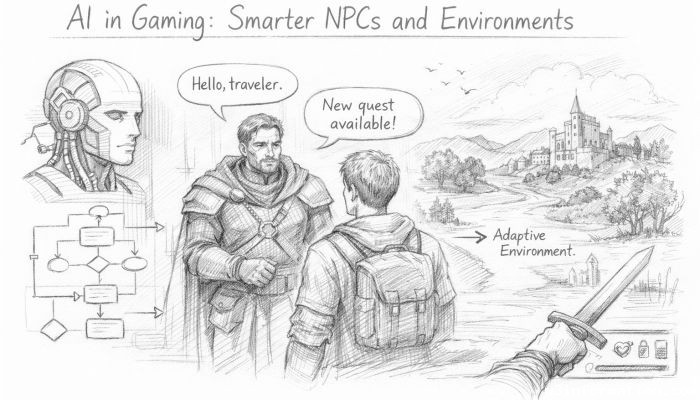 AI in Gaming: Smarter NPCs and Environments
 Understanding Bias in AI Algorithms
 Introduction to Chatbots and Conversational AI
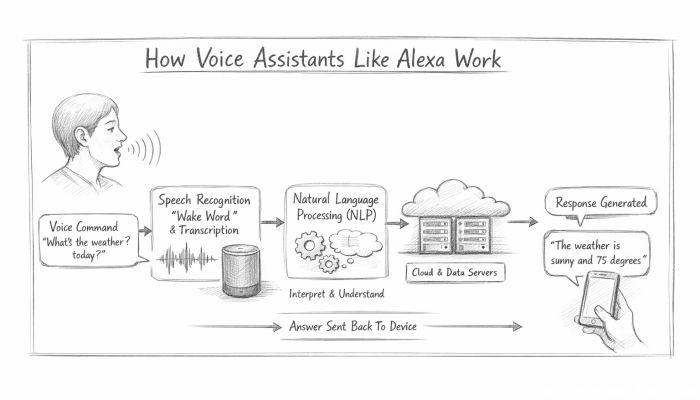 How Voice Assistants Like Alexa Work
 Federated Learning: AI Without Sharing Data