The Role of AI in Parent Involvement in 2025
In 2025, artificial intelligence (AI) is influencing almost every aspect of our daily lives, and the involvement of parents in the upbringing and education of their children is no exception. Recognized as a key determinant of children’s academic achievement and emotional well-being, parent involvement is being transformed by AI tools and platforms that provide new ways for meaningful connections between parents, educators, and children. This article explores how AI is changing the parent involvement landscape, helping to bridge communication gaps, providing personalized educational insights, and empowering families to support their children’s development more effectively. By examining the major innovations and their implications, we will discuss how AI is improving interaction, addressing challenges, and shaping the future of parent-child relationships.
- Understanding Parent Involvement in the Digital Age
- AI-Powered Communication Platforms Bridging the Home-School Gap
- Personalized Learning Insights Through AI Analytics
- Adaptive Educational Content for Home Support
- AI and Emotional Intelligence: Monitoring Social-Emotional Development
- Virtual Parent-Teacher Conferences and AI Mediation
- Overcoming Digital Literacy Barriers with AI Assistance
- AI and Privacy: Guarding Family Data in Parent Involvement Tools
- Supporting Diverse Family Structures through AI
- AI and Time Management for Busy Parents
- The Role of AI in Special Education Parent Involvement
- Preparing for the Future: AI as a Collaborative Partner in Parenting
- Conclusion
- More Related Topics
Understanding Parent Involvement in the Digital Age
Parent involvement traditionally involves activities such as supporting homework, attending school events, and participating in parent-teacher meetings. However, in the digital age, these definitions are evolving. AI plays a crucial role in this evolution by creating new channels and opportunities for parents to connect with their children’s educational experiences in real time. This transformation involves redefining what parent involvement means in the 21st century: not just physical presence, but active, informed, and data-driven participation and virtual collaboration.

AI-Powered Communication Platforms Bridging the Home-School Gap
One of the primary ways AI is enhancing parent involvement is through advanced communication platforms. AI can translate and summarize complex educational feedback, offer real-time language translation, and provide smart notifications based on the parent’s schedule and preferences. This responsive and adaptive communication system ensures parents receive timely and relevant information about their child’s progress and needs, enabling them to offer proactive support instead of reacting to issues after they arise.
Personalized Learning Insights Through AI Analytics
AI’s data-analytic capabilities allow for in-depth insights into a student’s learning patterns. Parents can receive personalized reports highlighting their child’s academic strengths and weaknesses, performance trends, and even predictive insights about future performance. AI can also recommend specific strategies or resources tailored to the child’s unique learning style and needs, transforming parents into informed advocates for their children’s education.
Adaptive Educational Content for Home Support
AI-driven adaptive learning platforms can also guide parents in providing support at home. These systems dynamically adjust the difficulty of content and present explanations in language that parents can easily understand. This empowers parents to better grasp the curriculum and support their children’s learning without needing specialized teaching expertise, thus increasing their confidence and effectiveness in helping with schoolwork.
AI and Emotional Intelligence: Monitoring Social-Emotional Development
Beyond academics, AI tools are making strides in the area of social-emotional learning (SEL). AI-powered applications can use natural language processing and sentiment analysis to monitor a child’s communications for signs of emotional distress, anxiety, or disengagement. When these patterns are detected, the system can alert parents and provide advice on how to address these emotional challenges, enabling early intervention and support for the child’s emotional well-being.
Virtual Parent-Teacher Conferences and AI Mediation
The traditional parent-teacher conference is also being transformed by AI. Virtual parent-teacher meetings can use AI to organize topics for discussion, summarize previous communications, and suggest discussion points based on student data trends. Additionally, AI-powered mediation tools can help de-escalate potential conflicts or misunderstandings by suggesting neutral language and solution-focused dialogue. This not only encourages more constructive conversations but also helps build stronger, more positive relationships among parents, teachers, and students.
Overcoming Digital Literacy Barriers with AI Assistance
While AI has the potential to open many doors, it also has the potential to create new barriers to access, particularly for parents with limited digital literacy. However, AI is also being used to address this issue. Voice-activated assistants, intuitive chatbots, and context-aware digital guides can help parents navigate educational portals, translate complex jargon into everyday language, and complete administrative tasks with ease. By making AI systems more user-friendly, we can ensure that the benefits of AI-driven parent involvement are accessible to all.
AI and Privacy: Guarding Family Data in Parent Involvement Tools
AI tools are only effective when parents and students trust them. With AI systems collecting an increasing amount of data on children and families, it is crucial that these tools are not only technically secure but also transparent in how they use and store this data. Privacy concerns can be mitigated by adhering to relevant data protection regulations and ethical guidelines, being transparent with users about data usage, ensuring secure data storage, and giving families control over their own information.
Supporting Diverse Family Structures through AI
Parent involvement strategies must account for the diverse range of family structures that exist, including single-parent households, blended families, and guardianships. AI’s flexibility allows it to support a wide range of family situations and dynamics. Customizing communication methods and offering personalized engagement strategies for different family needs is one of the best ways to ensure that no child is disadvantaged because of their family situation.
AI and Time Management for Busy Parents
Time is one of the most valuable resources for parents, especially those juggling work, household duties, and child-rearing responsibilities. AI-driven scheduling and reminder systems can help parents prioritize time for their children’s school-related activities and commitments. Intelligent systems can prioritize family time, send reminders for key deadlines, and even suggest optimal times for involvement based on the parent’s personal calendar and commitments, thus reducing stress and helping parents maintain consistent involvement.
The Role of AI in Special Education Parent Involvement
Special education presents unique challenges and opportunities for parent involvement. AI can offer powerful tools to enhance parent engagement in these contexts. Translating complex Individualized Education Plans (IEPs) into understandable language, tracking therapy and intervention progress, and recommending specialized resources and support tools are just a few ways AI can empower parents to better understand and advocate for their child’s needs in special education settings.
Preparing for the Future: AI as a Collaborative Partner in Parenting
As we look to the future, the role of AI in parent involvement will continue to evolve and expand beyond the educational context. From health and nutrition to behavioral coaching, AI systems are likely to become trusted and collaborative partners in parenting, augmenting parental intuition with data-driven insights and recommendations. This future partnership will offer exciting possibilities for a more comprehensive and confident approach to nurturing children’s potential.
Conclusion
In 2025, AI is revolutionizing parent involvement by making communication more effective, insights more personalized, and support tools more adaptive. By helping to bridge home-school gaps, supporting emotional and developmental needs, and promoting inclusivity, AI is empowering parents to be more engaged and effective in their children’s lives. Despite challenges related to privacy and digital access, ongoing innovations are focused on creating more secure, inclusive, and equitable AI ecosystems. Looking forward, AI will not just be a tool but a partner in parenting, one that augments understanding, strengthens relationships, and supports the unique journey of every child toward success. Embracing this intersection of technology and human connection will be crucial to nurturing future generations in an increasingly complex world.
 Big O Notation Explained for Beginners
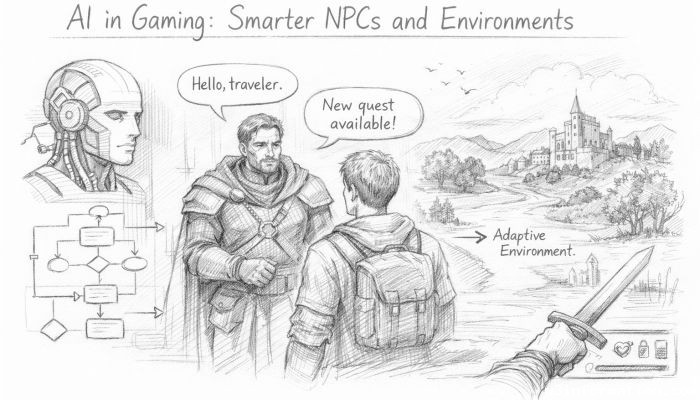 AI in Gaming: Smarter NPCs and Environments
 Understanding Bias in AI Algorithms
 Introduction to Chatbots and Conversational AI
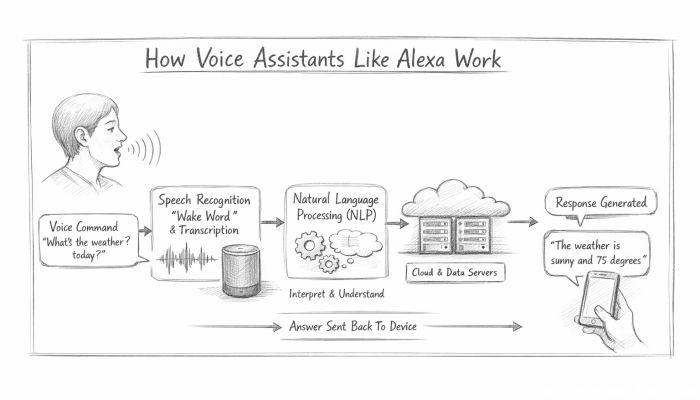 How Voice Assistants Like Alexa Work
 Federated Learning: AI Without Sharing Data