The Future of Online Education in 2025
Online education has undergone a tremendous transformation over the past decade, shifting from a specialized alternative to a popular and diverse model for learning. Digitalization and the acceleration of remote interactions during the pandemic have reshaped the education industry, bringing online education to the forefront. As the world rapidly adapts to new technologies and evolving digital natives enter higher education, online education is expected to become more personalized, accessible, and integrated into our lives by 2025. This article will examine the future of online education, focusing on technological advances, pedagogical innovations, and potential impacts on learning and society. From immersive virtual experiences and AI-driven personalization to microcredentials and democratized education, readers will gain valuable insights into the rapidly changing educational landscape, its opportunities, and the challenges ahead.
- Technological Innovations Driving Online Education
- Personalized Learning Experiences
- The Rise of Microlearning and Modular Courses
- Gamification and Engagement Strategies
- Enhanced Accessibility and Global Reach
- The Role of Educators in a Virtual World
- The Importance of Social Learning and Community Building
- Data Privacy and Ethical Concerns
- Economic Implications and Affordability
- The Continued Integration of Online and Offline Learning (Blended Learning)
- Lifelong Learning and Career Pathways
- Challenges Ahead: Digital Divide and Quality Assurance
- Conclusion
- More Related Topics
Technological Innovations Driving Online Education
Future online education will be underpinned by groundbreaking technologies such as artificial intelligence (AI), virtual reality (VR), augmented reality (AR), and blockchain. AI-powered learning platforms will customize content, recommend resources, and provide instant feedback to students based on their individual needs. Virtual and augmented reality will revolutionize remote learning, offering lifelike simulations and interactive experiences that transcend geographical boundaries. Blockchain technology will facilitate secure credentialing, making academic records easily accessible, shareable, and tamper-proof. By harnessing the power of these technologies, online education in the future will be more engaging, adaptive, and efficient than ever before.

Personalized Learning Experiences
In 2025, online education will offer hyper-personalized learning experiences tailored to students’ unique needs and preferences. AI-driven adaptive learning platforms will leverage data analytics to dynamically customize course materials, recommend resources, and provide timely feedback. Learners will have the flexibility to progress at their own pace and access content in their preferred formats, whether through text, video, interactive simulations, or other multimedia tools. This emphasis on personalization will result in more effective and engaging online learning experiences that cater to diverse learning styles and optimize educational outcomes.
The Rise of Microlearning and Modular Courses
Traditional degree programs will be complemented by microlearning, which involves delivering bite-sized, focused content in short, flexible modules. Microlearning allows learners to quickly acquire skills and knowledge relevant to the job market, personal interests, or emerging technologies. Online learning platforms will offer stackable microcredentials and digital badges that can be accumulated over time, providing learners with flexible, modular pathways to education and skill development. The future of online education will empower lifelong learning and facilitate continuous professional development for a rapidly changing workforce.
Gamification and Engagement Strategies
Gamification strategies will be at the heart of future online education, using game design elements to enhance learner engagement and motivation. Incorporating interactive challenges, point systems, and rewards, online courses will tap into the natural human desire for competition and achievement. Gamified learning experiences will encourage active participation, critical thinking, and problem-solving skills while providing a fun and immersive environment for students. This approach is particularly effective for younger learners who may struggle with maintaining focus in a purely digital learning setting.
Enhanced Accessibility and Global Reach
Online education in the future will transcend geographical and socioeconomic boundaries, offering unparalleled accessibility to learners worldwide. Improved internet connectivity, including 5G networks and satellite-based internet services, will bring high-quality education to even the most remote locations. Language barriers will be overcome through advanced translation tools and content available in multiple languages, supported by speech-to-text and visual assistance tools for learners with disabilities. Online education will become a more inclusive, global, and collaborative experience, empowering learners from all walks of life.
The Role of Educators in a Virtual World
While technology will play a critical role in the future of online education, teachers and educators will remain at the forefront of the learning experience. Their roles will evolve, however, from content delivery to facilitation, mentorship, and curating individualized learning experiences. Data analytics and learning management systems will enable teachers to monitor student progress in real-time and intervene when needed. Professional development programs will focus on building teachers’ digital pedagogical skills, emotional intelligence, and cultural competency to succeed in a virtual environment.
The Importance of Social Learning and Community Building
Addressing the challenge of social isolation in online education, future platforms will prioritize social learning and community building. Virtual study groups, peer feedback, and collaborative projects will be integral to the learning process, supported by real-time communication tools. Creating a strong sense of community and belonging will be vital for student motivation and emotional well-being. Innovations such as AI-powered discussion forums, virtual campuses, and student clubs will bring students closer together, replicating many aspects of campus life.
Data Privacy and Ethical Concerns
The growth of online education raises significant data privacy and ethical concerns that must be addressed by 2025. Online education providers must ensure robust data protection policies and measures to prevent student data from being misused, shared, or breached. Ethical issues related to AI-driven learning systems will need to be managed with greater transparency in data collection, algorithmic biases, and decision-making processes. Governments and international organizations will likely introduce standards and guidelines to protect digital learners and balance innovation with accountability.
Economic Implications and Affordability
Online education will provide more affordable alternatives to traditional educational models, although economic barriers to technology and infrastructure access may still exist. Future business models will focus on improving access and affordability, such as subscription-based access, scholarships, and employer-sponsored training programs. Recognition of digital credentials, micro-certifications, and stackable qualifications will become increasingly accepted in the job market, increasing learner incentives and employability.
The Continued Integration of Online and Offline Learning (Blended Learning)
Online education will not completely replace brick-and-mortar institutions but will continue to coexist with them in the form of blended learning models. The future of education will be more likely to integrate the best of both worlds, combining in-person instruction and hands-on activities with the convenience and flexibility of online resources. Hybrid approaches will be widely adopted to create flexible, personalized, and enriched learning environments. Blended learning also provides the added benefit of better resource management, as online education can scale and adapt more easily to unforeseen circumstances like pandemics or natural disasters.
Lifelong Learning and Career Pathways
The evolving job market and the future of work demand a culture of lifelong learning, reskilling, and upskilling. Online education platforms will become the central hubs for knowledge acquisition and skills development throughout a person’s life. Integration with artificial intelligence tools will allow learners to map out their skills gaps, understand emerging career opportunities, and create individual learning pathways to navigate the constantly changing landscape of the labor market.
Challenges Ahead: Digital Divide and Quality Assurance
Despite the promising future, there will be major obstacles such as the digital divide and quality assurance. Socioeconomic and infrastructural disparities continue to risk excluding many from the online education revolution, emphasizing the need to bridge the digital divide. The explosion of online courses also requires robust quality control mechanisms and regulatory frameworks to prevent academic fraud, maintain standards, and ensure student protection. Accrediting bodies, peer review mechanisms, and learner feedback systems will be strengthened and developed to distinguish credible and high-quality online education providers.
Conclusion
The future of online education in 2025 promises to be diverse, immersive, personalized, and transformative, continuing to revolutionize the way we learn and grow as individuals. Technological advancements, the rise of microlearning, and the power of gamification will enrich the learning experience, while improved accessibility and social learning will foster more inclusive, global communities. As the educational landscape rapidly changes, it is crucial to consider and address the challenges of data privacy, ethics, digital equity, and quality control to maintain a safe, fair, and effective learning environment.
The future of online education holds the potential to become the great equalizer, breaking down the barriers of access and opportunity and democratizing knowledge for all learners. By embracing change and anticipating the opportunities and challenges ahead, educators, students, policymakers, and technology developers can work together to shape a future where education empowers, unites, and transforms society.
 Big O Notation Explained for Beginners
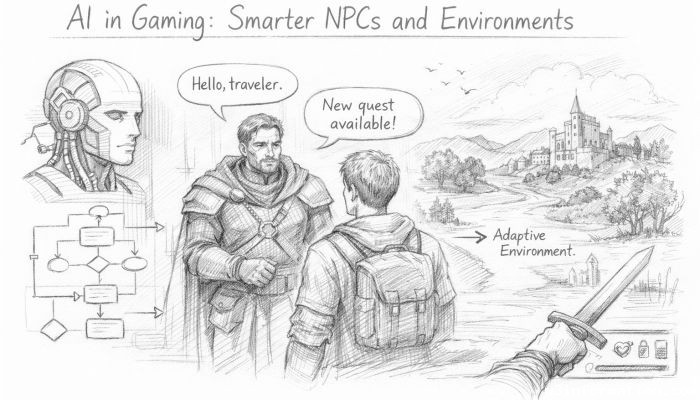 AI in Gaming: Smarter NPCs and Environments
 Understanding Bias in AI Algorithms
 Introduction to Chatbots and Conversational AI
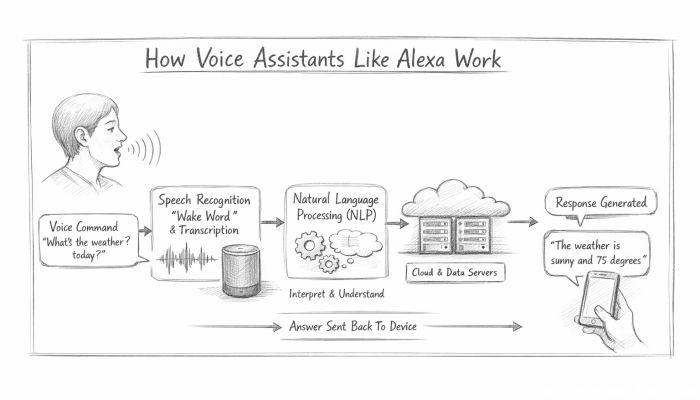 How Voice Assistants Like Alexa Work
 Federated Learning: AI Without Sharing Data