Innovations Transforming Classroom Management in 2025
The classroom environment in 2025 is unrecognizable from the one teachers encountered even five years ago. Advances in AI, immersive learning, and learning pedagogy have sparked the development of classroom management systems that are more intuitive, intelligent, and integrated. These innovations don’t seek to replace teachers, they are freeing them up to focus on what matters most in the classroom: making students feel heard, understood, and challenged. By supporting student needs, streamlining administrative burdens, and boosting teacher strengths, the latest tools are transforming chaos into calm with style. This article will look at 12 of the most innovative ways we’re seeing technology change classroom management in 2025.
- AI-Powered Classroom Assistants Supporting Teachers in Real Time
- Smart Seating and Flexible Classroom Layouts
- Emotion-Recognition Technology Enhancing Social-Emotional Learning
- Gamified Behavior Tracking Systems
- Classroom Management Apps with Predictive Analytics
- Immersive Learning Tools That Reduce Off-Task Behavior
- Digital Halls and Smart Pass Systems
- Advanced Learning Management Systems (LMS) Steering Classroom Flow
- Voice-Activated Controls and Hands-Free Teaching Tools
- Peer Collaboration Platforms Encouraging Positive Classroom Culture
- Hybrid & Remote Classroom Controls for Flexible Learning
- Data-Driven Discipline Policies Supporting Fairness and Equity
- Conclusion: The Future of Classroom Management Is Human-Centered and Tech-Empowered
- More Related Topics
AI-Powered Classroom Assistants Supporting Teachers in Real Time
AI assistants for teachers are among the most impactful classroom management solutions in 2025. These tools are used for everything from attendance taking to behavior tracking to affective computing (analyzing emotional or academic cues). In other words, instead of diverting their attention to classroom logistics or hand-writing student data, teachers now delegate these tasks to AI solutions. The result? Calmer, more attentive, and focused learning environments.

Smart Seating and Flexible Classroom Layouts
Classroom seating is also more dynamic than ever before. Teachers have moved beyond static seating charts to “smart seating” powered by seating analytics and IoT-connected furniture. In other words, educators can now examine past data to see which seating patterns generate better outcomes for engagement and collaboration. Flexible seating layouts — including standing tables, modular groupings, and more — have also given students some autonomy in choosing how they like to learn while empowering teachers with visual controls that don’t feel restrictive.
Emotion-Recognition Technology Enhancing Social-Emotional Learning
Emotion-tracking cameras and other emotion-recognition sensors have also become popular as teachers learn to use this data to support students. These systems are able to interpret facial expressions, posture, voice inflection, and more to identify when students are having negative experiences — like anxiety, frustration, or boredom. Teachers can use this real-time information to adapt to students’ needs before problems escalate, which also better supports SEL practices.
Gamified Behavior Tracking Systems
Gamification is making classroom behavior systems more fun and transparent for students in 2025. Apps and platforms allow teachers to assign digital badges or points to positive actions, like “active participation,” “excellent teamwork,” or “great timekeeper.” Teachers can also create their own incentives to encourage specific classroom behaviors that matter most to them. Students respond to these programs because it feels good to earn rewards that are fun and challenging to collect.
Classroom Management Apps with Predictive Analytics
Classroom management apps now also feature predictive analytics. These systems forecast classroom disruptions before they occur by mining historical student data for patterns that contribute to chaos. Teachers get notifications or recommended interventions to head off trouble in advance, which helps with things like group reshuffling, suggested breaks, or checking in with students.
Immersive Learning Tools That Reduce Off-Task Behavior
VR, AR, and MR are also changing the way teachers create learning experiences. Immersive experiences are being used more frequently to pull learners in and direct their attention during classroom activities. Students are less likely to get distracted by off-task behavior when they are in a virtual world or using digital manipulatives to explore real-world applications. These tools also have embedded classroom management tools to track engagement and attention inside of VR-supported lessons.
Digital Halls and Smart Pass Systems
Hallway management has also seen innovation in 2025, as smart pass systems offer a better way to track student movement in and out of the classroom. Some systems can automatically detect hallway congestion or students who take longer than expected between classrooms. These features help reduce classroom interruptions while supporting safety without over-policing movement.
Advanced Learning Management Systems (LMS) Steering Classroom Flow
Classroom management tools now integrate more deeply with LMS platforms. These tools help teachers stay on top of everything from assignments to participation to social-emotional check-ins with a centralized view. Automated reminders, practice tasks, and feedback loops from advanced LMS systems also smooth classroom flow by removing two of the biggest sources of disruption: confusion and downtime
Voice-Activated Controls and Hands-Free Teaching Tools
Voice-activated assistants are becoming a major part of helping teachers with simple classroom management needs without breaking the flow of instruction. These systems let teachers adjust lighting, play instructional videos, submit attendance, or do other simple controls using only their voice. Reducing downtime and keeping learners more focused are just two of the benefits of hands-free classroom management tools.
Peer Collaboration Platforms Encouraging Positive Classroom Culture
Teachers know classroom management is as much about community as it is about rules and order. Peer collaboration platforms are also widely used to help students manage group work and shared responsibilities in 2025. These digital tools can structure group activities, track student contributions, and provide support in mediating minor disputes, helping to reduce conflict and promote positive peer relationships.
Hybrid & Remote Classroom Controls for Flexible Learning
Remote and hybrid learning have also led to new approaches to classroom management in 2025. These controls support students learning both in and out of the classroom. Teachers can measure engagement, attention, and participation even from a distance using classroom management systems that work in-person and remotely. Virtual whiteboards, breakout room analytics, and remote behavior cues are a few of the tools available to help teachers guide student behavior online and in person.
Data-Driven Discipline Policies Supporting Fairness and Equity
A major change in classroom management over the last five years has been a data-driven approach to fairness and equity. Schools have started using advanced analytics to identify potential patterns and unconscious bias in disciplinary actions across race, gender, disability, etc. Teachers have also started to receive more guidance on triggers, trends, and needs that help inform data-supported interventions. These interventions support consistency in consequences and transparent communication to help make all classrooms more inclusive.
Conclusion: The Future of Classroom Management Is Human-Centered and Tech-Empowered
Classroom management is going through a major transformation in 2025. It’s no longer about having to “control” students — it’s about truly understanding how they learn and what they need to be engaged. The new classroom management solutions, from AI assistants to analytics to immersive learning environments, are supporting teachers to do exactly that. These technologies make it possible for teachers to know their students by name and face, build strong relationships, and challenge them to their fullest potential. As schools seek to empower students and improve fairness and equity, these innovations are supporting teachers to do exactly that with style and ease. The result? Classrooms that are less chaos and more calm — but more than that, they are classrooms that are more compassionate, student-centered, and supportive than ever before.
 Big O Notation Explained for Beginners
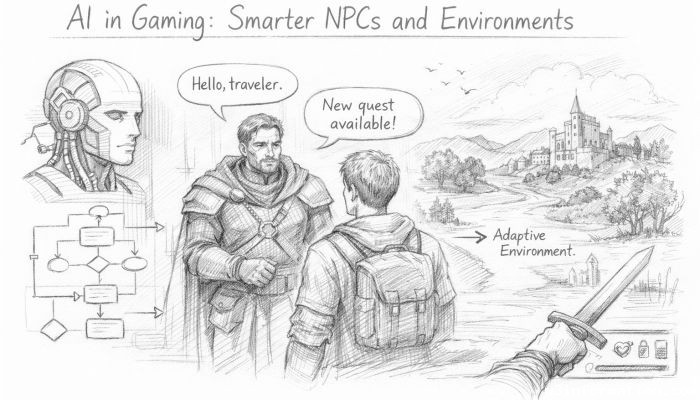 AI in Gaming: Smarter NPCs and Environments
 Understanding Bias in AI Algorithms
 Introduction to Chatbots and Conversational AI
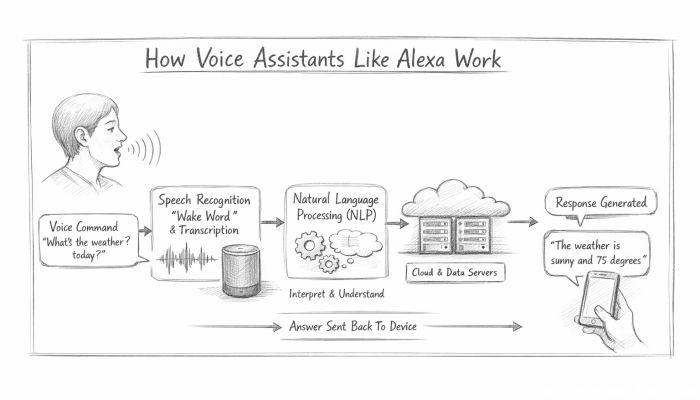 How Voice Assistants Like Alexa Work
 Federated Learning: AI Without Sharing Data