Understanding the Role of Special Education in Schools
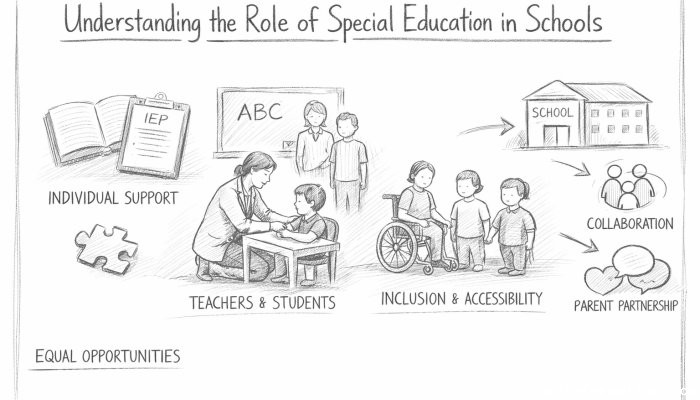
In the dynamic and diverse landscape of modern education, special education plays a crucial role in ensuring equitable and effective learning for all students. Special education encompasses a range of teaching methods, services, and supports designed to meet the unique needs of students with disabilities or learning differences. It aims to empower these students to reach their full potential by providing individualized instruction, accommodations, and a nurturing environment. As schools strive to create more inclusive environments, understanding the role of special education becomes increasingly important for educators, parents, and policymakers. This article explores the role of special education in schools, its foundations, practices, impact, and the challenges it faces, providing valuable insights into creating a more inclusive and supportive educational system for all learners.
- Defining Special Education: Scope and Purpose
- Historical Evolution of Special Education
- Legal Frameworks and Policies Governing Special Education
- Identifying and Assessing Special Education Needs
- Individualized Education Programs (IEPs): A Personalized Roadmap
- Inclusive Education: Integrating Special Education in Mainstream Schools
- The Role of Special Education Teachers and Support Staff
- Assistive Technologies and Resources in Special Education
- Parental Involvement and Advocacy in Special Education
- Challenges Faced in Implementing Special Education
- Measuring the Impact of Special Education
- The Future of Special Education: Trends and Innovations
- Conclusion: Embracing Special Education as a Pillar of Inclusive Learning
- More Related Topics
Defining Special Education: Scope and Purpose
Special education refers to the specialized teaching approaches, strategies, and services tailored to the unique requirements of students with disabilities or exceptional learning needs. Disabilities can range from physical, cognitive, emotional, to developmental challenges that affect learning and may necessitate adaptations to traditional teaching methods. The purpose of special education is to provide equitable educational opportunities by catering to the individual learning styles and needs of students, offering appropriate curriculum modifications, and ensuring access to necessary resources. Special education recognizes that standard teaching practices may not be sufficient for all students and emphasizes the need for differentiated instruction, individualized education plans (IEPs), and collaboration among educators, specialists, and families.
Historical Evolution of Special Education
The concept and practice of special education have evolved significantly over time. In the past, children with disabilities were often denied access to education or segregated into separate institutions. However, increased awareness, advocacy, and legislative milestones have led to positive changes in special education. In the United States, laws such as the Individuals with Disabilities Education Act (IDEA) guarantee free and appropriate public education for all students with disabilities. Internationally, a shift from exclusion and segregation to inclusion and integration has gained momentum. Historical perspectives on special education provide valuable insights into the progress made and the barriers that still need to be overcome to create more inclusive educational systems.
Legal Frameworks and Policies Governing Special Education
Legal mandates are essential in shaping special education services. In the United States, laws such as IDEA, Section 504 of the Rehabilitation Act, and the Americans with Disabilities Act (ADA) provide a legal framework for the rights of students with disabilities and the responsibilities of educational institutions. These laws mandate individualized assessments, development of IEPs, and reasonable accommodations for students with disabilities. They also emphasize the importance of parental involvement, procedural safeguards, and mechanisms for resolving disputes. Internationally, similar legal frameworks exist to promote inclusive education and protect the rights of students with disabilities. Awareness and understanding of these legal mandates are crucial for educators, parents, and students in advocating for their rights and ensuring that educational institutions fulfill their obligations.
Identifying and Assessing Special Education Needs
Accurate identification and assessment are vital components of effective special education. Schools use a variety of methods, including observations, standardized tests, psychological evaluations, and input from parents and teachers to identify students who may require special education services. Early identification is critical, as early interventions can significantly improve educational outcomes for students. Assessment is an ongoing process that helps determine the appropriate instructional strategies and accommodations needed to support a student’s learning. Identifying and assessing special education needs ensures that students receive the individualized support and services they require to succeed in school.
Individualized Education Programs (IEPs): A Personalized Roadmap
A central component of special education is the Individualized Education Program (IEP). The IEP is a written plan developed collaboratively by educators, parents, specialists, and sometimes the student. It outlines specific educational goals, accommodations, modifications, and related services that a student with disabilities needs to succeed in school. The IEP serves as a personalized roadmap for teaching and learning, ensuring that instructional strategies align with the student’s unique profile. The IEP is reviewed periodically and revised as needed, based on the student’s progress and changing needs.
Inclusive Education: Integrating Special Education in Mainstream Schools
Inclusive education is a transformative approach that seeks to integrate special education into mainstream classrooms. The goal is to allow students with disabilities to learn alongside their nondisabled peers to the greatest extent possible. Inclusion promotes social interaction, empathy, and equal opportunities for all students. Implementing inclusive education requires more than physical integration; it also involves thoughtful curriculum adaptations, teaching strategies, and classroom management. Inclusive classrooms benefit all students by fostering diversity, understanding, and a supportive community that reduces stigma and improves the overall school environment.
The Role of Special Education Teachers and Support Staff
Special education teachers and support staff play a vital role in the success of special education programs. These professionals have specialized training and expertise to design and deliver individualized instruction, manage classrooms with diverse needs, and use assistive technologies effectively. They also collaborate with general education teachers, therapists, counselors, and parents to provide holistic support to students with disabilities. Special education teachers address not only academic needs but also social, emotional, and physical challenges students may face, making schools more responsive to diverse learners.
Assistive Technologies and Resources in Special Education
Technology has significantly impacted special education by providing tools and resources that enhance learning and communication for students with disabilities. Assistive technologies can range from simple devices, such as picture communication boards, to more advanced software and hardware, including speech-to-text programs, audiobooks, and adaptive keyboards. These tools help students overcome specific challenges, fostering independence and active participation in classroom activities. In addition to technology, schools also use other resources like resource rooms, therapy services, and peer tutoring programs to support students in special education. The integration of these resources requires proper training, funding, and a thoughtful approach to meet individual preferences and needs.
Parental Involvement and Advocacy in Special Education
Parents and guardians are key partners in the special education process. Their insights, observations, and advocacy are invaluable in assessment, planning, and implementing interventions. Active parental involvement ensures that educational goals are meaningful and realistic and that support extends beyond the school environment. Parents often play a crucial role as advocates, navigating complex systems and advocating for their child’s rights and access to resources. Schools that promote positive communication and collaborative partnerships with parents and families create a more inclusive, supportive, and effective special education ecosystem.
Challenges Faced in Implementing Special Education
Despite the progress made, numerous challenges hinder the effective implementation of special education services. Some common challenges include insufficient funding and resources, lack of specialized training for teachers, large class sizes, and a shortage of specialized personnel. Stigma and misconceptions about disabilities can also impact students’ self-esteem and relationships with peers. Administrative barriers and bureaucratic processes may delay the provision of services. Addressing these challenges requires systemic changes, increased awareness, professional development, and community engagement.
Measuring the Impact of Special Education
Measuring the impact of special education programs and services is essential to ensure that students receive the best support. Success indicators may include academic achievement, social integration, behavioral improvements, and increased independence. Standardized assessments, progress monitoring, and feedback from students, parents, and teachers provide valuable data for evaluating and improving instructional practices. The impact of special education also goes beyond measurable outcomes, as it can be seen in improved confidence, motivation, and quality of life for students. Research consistently shows that effective special education positively influences long-term educational, employment, and social outcomes for individuals with disabilities.
The Future of Special Education: Trends and Innovations
The future of special education holds exciting developments and opportunities. Trends and innovations include the increasing use of artificial intelligence for personalized learning, virtual reality for skill-building, and universal design for learning (UDL) principles that benefit all students. Inclusion is likely to deepen, supported by policies and practices that promote equity and diversity in schools. There is also a growing recognition of the importance of mental health support and planning for the transition to adulthood. Embracing these emerging trends and innovations will contribute to creating educational systems that are not only accessible but also empowering for every student.
Conclusion: Embracing Special Education as a Pillar of Inclusive Learning
Special education is a cornerstone of inclusive, equitable, and effective education systems. It plays a vital role in recognizing and addressing the unique needs of students, creating learning environments where all students can thrive. Through individualized programs, collaborative teams, and supportive policies, special education ensures that disabilities do not become barriers to learning and participation. While challenges persist, continued commitment, innovation, and advocacy drive the field of special education forward. By embracing special education and the values it represents, classrooms can be enriched, students can be empowered, and broader societal values of respect, dignity, and opportunity for all can be upheld. As education evolves, the role of special education will remain integral in building an inclusive future where every child’s potential is nurtured and realized.
 Big O Notation Explained for Beginners
 AI in Gaming: Smarter NPCs and Environments
 Understanding Bias in AI Algorithms
 Introduction to Chatbots and Conversational AI
 How Voice Assistants Like Alexa Work
 Federated Learning: AI Without Sharing Data