The Rise of Digital Classrooms: Pros and Cons
The world of education is undergoing a significant transformation, with digital classrooms at the forefront of this change. The advent of the internet and interactive technologies, coupled with the recent pandemic-induced shift, has created a surge in online learning. Digital classrooms break the confines of the traditional educational system, offering new possibilities for learning and interaction across time zones, continents, and learning environments. This phenomenon comes with a host of benefits but also presents challenges that both educators and learners need to navigate. This article will provide a thorough analysis of the various aspects of the rise of digital classrooms, including their advantages, limitations, and the impact they have on the future of education.
- The Evolution of Educational Technology
- Defining Digital Classrooms
- Increased Accessibility and Inclusion
- Flexibility and Personalized Learning
- Enhanced Collaboration and Communication
- The Role of Teachers in Digital Classrooms
- Technological Challenges and Barriers
- Impact on Student Engagement and Motivation
- Assessment and Academic Integrity in the Digital Age
- Cost-Effectiveness and Resource Allocation
- Cultural and Social Implications
- Preparing for the Future: Hybrid Learning Models
- Conclusion
- More Related Topics
The Evolution of Educational Technology
The concept of education technology has evolved significantly from the introduction of computers in classrooms to interactive digital learning environments. The rapid development of multimedia tools, adaptive learning systems, and cloud computing has set the stage for the emergence of digital classrooms. These innovative technologies have created personalized and engaging learning experiences, offering feedback and resources tailored to individual student needs. As such, the evolution of ed-tech is moving towards using technology to enhance and broaden the learning experience, making education more accessible to students worldwide.

Defining Digital Classrooms
Digital classrooms can be defined as virtual spaces where teaching and learning processes are facilitated by digital technologies. This typically occurs over the internet using video conferencing tools, online assignments, digital whiteboards, and learning software. Unlike the traditional educational setup that is bound by physical classroom walls and set class schedules, digital classrooms transcend these boundaries, providing flexible and often asynchronous learning opportunities. Digital learning environments allow for a more interactive experience, rich in multimedia resources and various modes of communication between students and teachers.
Increased Accessibility and Inclusion
One of the most touted benefits of digital classrooms is the increased accessibility it provides. Students from remote areas and those who are unable to attend traditional schools can access quality education without physical barriers. Digital platforms also support different learning preferences by offering content in various formats such as audio, video, and text, complemented by interactive assessments. Furthermore, these platforms can be designed to be more inclusive, with features like closed captioning and screen readers that aid students with disabilities.
Flexibility and Personalized Learning
Digital classrooms offer greater flexibility for both students and teachers. Learners can study at their own pace, revisiting lectures or resources as needed, and balance their education with other life commitments. For teachers, digital classrooms come with the ability to use data analytics to track individual student performance, allowing for more personalized instruction. Personalized learning paths in digital environments can lead to more engagement and better educational outcomes as compared to the traditional one-size-fits-all approach.
Enhanced Collaboration and Communication
Despite concerns about the isolating effects of digital classrooms, they offer a multitude of collaboration opportunities. Discussion boards, group projects, and chat functions facilitate interaction among students, often leading to more participation, including from those who may be shy or introverted in a physical classroom setting. Communication with teachers can also be more fluid in a digital environment, with students more likely to ask questions and receive timely feedback.
The Role of Teachers in Digital Classrooms
The role of the teacher is changing in digital classrooms; it is less about being a traditional instructor and more about being a guide or facilitator. Educators must now curate digital content, moderate online discussions, and support students in their self-directed learning journeys. This transition necessitates professional development to ensure teachers are well-equipped with digital literacy and teaching strategies suited to virtual classrooms.
Technological Challenges and Barriers
While digital classrooms offer many opportunities, there are significant technological barriers that can impact their effectiveness. Access to consistent and reliable internet connections and digital devices is not universal, particularly in low-income regions. Additionally, digital learning platforms can experience technical difficulties, be targets of cyberattacks, and have issues with data privacy. These challenges must be addressed through careful planning, investment, and governance.
Impact on Student Engagement and Motivation
Engagement levels in digital classrooms can vary, and while some find the interactive and multimedia-rich environment stimulating, others may feel isolated without the physical presence and direct interaction of a traditional classroom. To keep students motivated and engaged, innovative instructional design, and strategies to build a community in the virtual learning space are required.
Assessment and Academic Integrity in the Digital Age
Digital assessments can streamline the process of evaluating student progress through adaptive quizzes and instant feedback. However, the shift to digital learning has raised concerns over issues like cheating, plagiarism, and the general integrity of online assessments. Educational institutions are countering these challenges with digital proctoring solutions and redesigning assessments to focus more on critical thinking and application of knowledge.
Cost-Effectiveness and Resource Allocation
From an operational perspective, digital classrooms can be cost-effective for institutions by reducing physical infrastructure requirements and enabling scalable education. However, initial investments in technology and software, as well as the need for ongoing updates and maintenance, can be significant. It is important to evaluate these costs against educational outcomes to ensure a sustainable and effective digital learning environment.
Cultural and Social Implications
Digital classrooms have cultural and social impacts on education, promoting cross-cultural communication and offering a global perspective. However, they might not foster the same social skills as in-person interactions, such as the ability to interpret non-verbal cues and collaborate spontaneously. Integrating digital and face-to-face learning can help develop well-rounded individuals who are adept at navigating both digital and physical social environments.
Preparing for the Future: Hybrid Learning Models
The future of education is likely to involve hybrid learning models that integrate both digital and traditional classroom elements. These models aim to combine the best of both worlds, leveraging the flexibility and inclusivity of digital classrooms while retaining the advantages of face-to-face instruction. Hybrid learning supports a more personalized and flexible education system that can adapt to diverse student needs.
Conclusion
The rise of digital classrooms represents a significant shift in the educational landscape, presenting vast opportunities for learning and teaching. The benefits of digital learning environments are numerous, including enhanced accessibility, flexibility, and opportunities for personalized and collaborative learning. However, there are also challenges to be addressed, such as technological barriers, engagement and motivation issues, and the evolving role of teachers. It is clear that success in this new era of education depends on careful integration and ongoing innovation. The educational institutions that will thrive are those that remain committed to equity and adaptability in the face of this digital transformation. As we look towards the future, it is likely that hybrid models of education will become more prevalent, blending digital and in-person elements to create a dynamic, inclusive, and effective learning experience. The rise of digital classrooms is not only adapting to technological advancements but also driving the evolution of how education can be tailored to meet the diverse needs of a rapidly changing world.
 Big O Notation Explained for Beginners
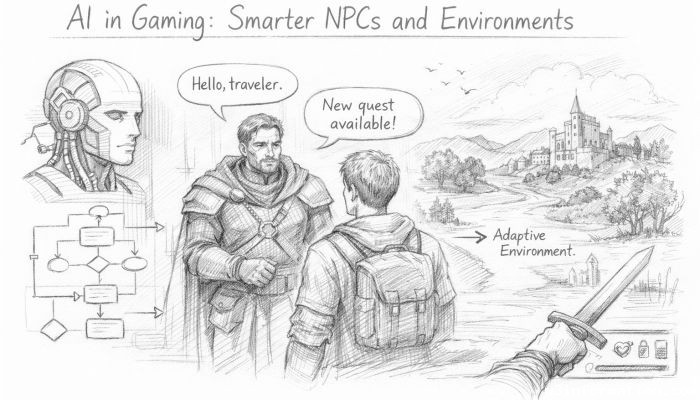 AI in Gaming: Smarter NPCs and Environments
 Understanding Bias in AI Algorithms
 Introduction to Chatbots and Conversational AI
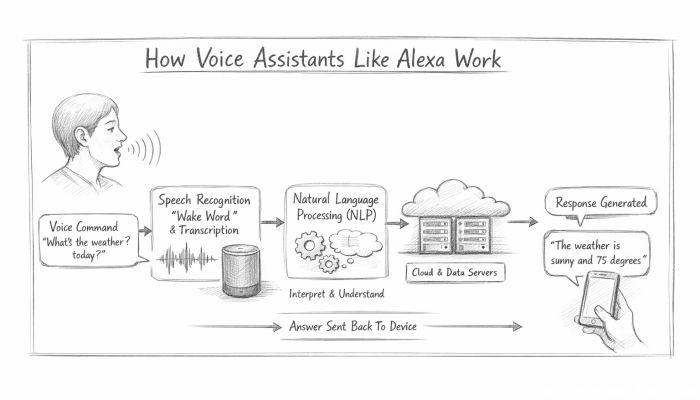 How Voice Assistants Like Alexa Work
 Federated Learning: AI Without Sharing Data