The Importance of Encouraging Creative Thinking in Kids
Creativity in children is not merely a desirable trait or a conduit for artistic expression; it is a fundamental aspect of childhood development that shapes how they perceive the world, solve problems, and engage with their surroundings. In a rapidly changing world marked by technological advancements and complex social issues, the ability to think creatively becomes an invaluable skill, equipping children with the adaptability and resilience necessary to thrive in an unpredictable future. This article delves into the reasons behind encouraging creative thinking in kids, exploring its role in supporting overall development, enhancing cognitive and emotional intelligence, and fostering academic success and future-ready mindsets. Creativity in childhood development is a powerful force that profoundly impacts a child’s growth and lifelong potential.
- Understanding Creative Thinking in Kids
- The Role of Creativity in Cognitive Development
- Emotional Benefits of Encouraging Creativity
- Creativity as a Foundation for Academic Success
- Encouraging Creativity Through Play
- The Impact of Environment on Creative Development
- The Role of Parents and Educators
- Technology and Creativity: Opportunities and Challenges
- Creativity and Problem-Solving Skills
- Cultural Diversity and Creativity
- Overcoming Barriers to Creativity
- Long-term Benefits of Nurturing Creativity in Childhood
- Conclusion
- More Related Topics
Understanding Creative Thinking in Kids
Creative thinking, at its core, involves looking beyond the obvious, exploring multiple possibilities, and generating original ideas or solutions. In children, this takes the form of imagination, curiosity, and the willingness to experiment without fear of failure. Unlike rote learning, which emphasizes repetition and memorization, creative thinking encourages children to question, connect disparate ideas, and approach problems in innovative ways. It is important to note that creative thinking is not limited to the arts; it permeates all aspects of life, from scientific inquiry and technological problem-solving to social interactions and emotional challenges. Recognizing creative thinking in kids involves observing their inquisitiveness, openness to new experiences, and readiness to take intellectual risks.

The Role of Creativity in Cognitive Development
Creativity is intimately linked to cognitive development, stimulating brain regions associated with problem-solving, memory, and critical thinking. Engaging in creative activities such as storytelling, drawing, and imaginative play helps children build neural connections that enhance their learning processes. Creative tasks require children to analyze situations, make decisions, and evaluate alternative outcomes, thereby strengthening executive functions such as planning and adaptability. Moreover, creative thinking encourages divergent thinking—the ability to generate multiple answers to a single question—which fosters mental agility and innovative reasoning. This cognitive flexibility becomes increasingly important in navigating today’s complex academic and real-world environments.
Emotional Benefits of Encouraging Creativity
Beyond cognitive development, creative thinking nurtures emotional intelligence in children. Through creative expression, children learn to articulate their feelings, process experiences, and cope with challenges. Artistic and imaginative activities serve as safe outlets for emotional exploration, enabling children to navigate fears, frustrations, and joys constructively. Creative thinking also fosters a sense of autonomy and self-confidence; as children see their ideas valued and brought to fruition, they develop a stronger sense of self-identity and resilience. Additionally, engaging in creative endeavors encourages empathy, as children often imagine perspectives outside their own, promoting better social understanding and emotional regulation.
Creativity as a Foundation for Academic Success
Contrary to the traditional focus on standardized tests and memorization, research shows that creative thinking is closely linked to academic achievement. Schools that incorporate creativity into their curricula produce students who become active and engaged learners, diving deep into subjects rather than passively absorbing information. Creative students tend to approach academic material more holistically and independently, asking insightful questions and persisting in problem-solving. This proactive and critical engagement with learning material not only enhances comprehension but also improves information retention. Creative thinking also encourages making connections between different fields, allowing students to apply knowledge from one subject in innovative ways in another, which is especially relevant in contemporary education.
Encouraging Creativity Through Play
Play is an instinctive and incredibly effective way of encouraging creative thinking in children. Through imaginative and unstructured play, children experiment with roles, rules, and narratives, which fosters innovative thought. Environments rich with diverse materials such as building blocks, art supplies, and open-ended toys can stimulate curiosity and exploration. Importantly, play also encourages children to take risks and be resilient; when they create their own games or stories, they learn to adapt when things don’t go as planned. Adults can support this process by giving children time, space, and freedom to play without overly directing their experiences. Play is not just leisure; it is an essential tool for development, nurturing creativity.
The Impact of Environment on Creative Development
Environment plays a crucial role in shaping a child’s creative potential. Supportive and stimulating environments at home and school encourage children to express their ideas without fear of judgment. This includes exposure to a variety of experiences, such as exploring nature, cultural experiences, and hands-on learning opportunities. Conversely, environments that are overly rigid or highly structured can stifle imagination by limiting freedom and discouraging experimentation. Encouraging open communication and curiosity in daily interactions also nurtures creativity, as children feel safe to share unconventional ideas and learn from mistakes. Having role models who demonstrate creative and critical problem-solving approaches can also inspire children to adopt similar methods.
The Role of Parents and Educators
Parents and educators play a pivotal role in encouraging creative thinking by modeling and reinforcing creative behavior. By valuing and providing encouragement for creativity, adults create a safe atmosphere where children feel motivated to take intellectual risks. Asking open-ended questions, encouraging brainstorming, and celebrating original ideas rather than just correct answers helps stimulate creative confidence. It is equally important for adults to avoid pressuring children towards specific outcomes, allowing for experimentation and even failure as part of the learning process. Collaborative activities involving both adults and children can further enhance creativity by bringing together different perspectives and skills.
Technology and Creativity: Opportunities and Challenges
In the digital age, technology presents both opportunities and challenges in nurturing creativity. On the one hand, digital tools offer children unprecedented opportunities for creation, experimentation, and sharing of new ideas, from digital art platforms to coding environments and virtual collaboration spaces. These tools can push the boundaries of creativity and introduce children to innovative problem-solving techniques. However, there is a risk of excessive passive consumption of digital content, which can dampen imagination and original thought. It is essential to encourage purposeful and balanced use of technology, where children are both creators and consumers of digital content. Adults must guide children towards apps and activities that inspire hands-on creation and critical thinking.
Creativity and Problem-Solving Skills
Creative thinking is closely tied to effective problem-solving, a critical skill for life. Encouraging children to approach problems creatively involves teaching them to look beyond the obvious solutions and consider multiple possibilities. This, in turn, nurtures persistence, as they learn that not all attempts will be immediately successful and that alternative strategies have value. Creative problem-solving also enhances analytical skills, as children must weigh the pros and cons of various options. By integrating creativity into their problem-solving approaches, children become more resourceful and confident decision-makers—skills that are useful for both academic tasks and social and personal challenges.
Cultural Diversity and Creativity
Encouraging creative thinking in children is also profoundly enriched by exposure to diverse cultures. When children are introduced to different traditions, art forms, and ways of thinking, they develop an appreciation for the richness and complexity of the world. This cross-cultural understanding not only fuels creative synthesis but also allows children to combine elements from various cultures into unique expressions. Encouraging multicultural experiences through books, art, music, and personal interactions cultivates open-mindedness and adaptability. In an increasingly interconnected world, creativity, when combined with cultural sensitivity, becomes a valuable asset for collaboration and innovation.
Overcoming Barriers to Creativity
While creativity is crucial, children’s creative thinking can be stifled by various barriers, including fear of failure, pressure to conform, and high-pressure environments focused on measurable outcomes. It is important to identify and address these barriers to effectively encourage creativity. Promoting a growth mindset—that abilities can be developed through effort—can help children view challenges as opportunities rather than threats. Reducing the fear of judgment and encouraging playful experimentation can also alleviate anxiety around creative activities. Educators and parents should advocate for a balanced approach that values creativity alongside other skills and create safe spaces where children can explore and innovate freely.
Long-term Benefits of Nurturing Creativity in Childhood
The long-term benefits of encouraging creative thinking from a young age are extensive and far-reaching, well beyond the childhood years. Creative individuals are more likely to be adaptive, resilient, and capable of navigating complex social and professional landscapes throughout life. They tend to have higher levels of motivation and engagement and experience greater emotional well-being. Creativity also underpins entrepreneurship and leadership, enabling individuals to envision and implement innovative solutions to societal challenges. Furthermore, by fostering creativity in children, we contribute to building a more vibrant, inclusive, and forward-thinking society. Nurturing creativity in kids is an investment in both their individual potential and the collective future of society, a legacy that will enrich lives and inspire progress for generations to come.
Conclusion
Creativity in children is not a luxury but a necessity that affects all aspects of childhood development, including cognitive, emotional, academic, and social growth. Encouraging creative thinking from an early age equips children with essential life skills such as problem-solving, adaptability, and emotional resilience. Through supportive environments, play, diverse experiences, and mindful adult guidance, creativity can be nurtured naturally and pervasively. In a world shaped by technology and global interconnections, creative thinkers will be the innovators, leaders, and compassionate citizens capable of addressing complex challenges. Ultimately, nurturing creativity in kids is an investment in their individual potential and society’s collective future—a legacy that will enrich lives and inspire progress across generations.
 Big O Notation Explained for Beginners
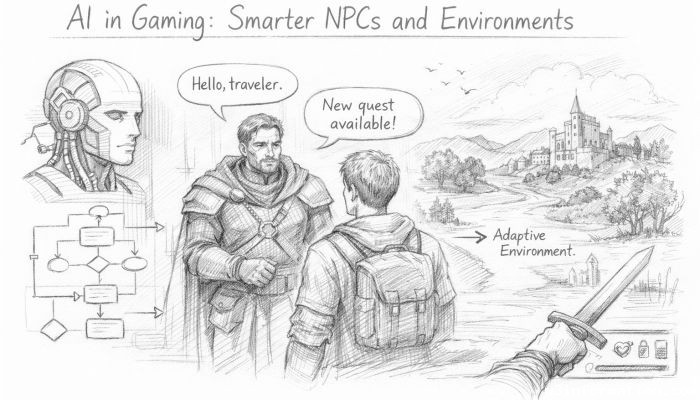 AI in Gaming: Smarter NPCs and Environments
 Understanding Bias in AI Algorithms
 Introduction to Chatbots and Conversational AI
 How Voice Assistants Like Alexa Work
 Federated Learning: AI Without Sharing Data