Building the Future of Vocational Training in 2025
Explore the future of hands-on skill development as vocational training evolves in 2025. Rapid tech changes, automation, and industry shifts are pushing skills training programs to adapt. Vocational training of the future must be flexible, technology-enabled, and in line with evolving labor market needs. From advanced manufacturing and renewable energy to healthcare and digital services, vocational programs are transforming to give students the skills for jobs that didn’t exist 10 years ago. In this comprehensive guide, we explore the future of vocational training in 2025. Discover emerging best practices, innovative models, and action steps for future-proof skills training to build learners’ skills, confidence, and adaptability for success in tomorrow’s workforce.
- Use Technology-Enhanced Learning
- Personalize Learning Paths to Skills
- Partner with Industry for Real-World Relevance
- Embed Soft Skills into Technical Training
- Offer Flexible, Hybrid Learning Models
- Use AI for Assessment and Feedback
- Focus on Sustainability and Green Skills
- Prioritize Lifelong Learning and Upskilling
- Integrate Entrepreneurship and Innovation Skills
- Emphasize Equity and Accessibility
- Leverage Data Analytics for Program Improvement
- Foster Mentorship and Peer Learning Cultures
- Conclusion: Building a Future-Ready, Skilled Workforce
- More Related Topics
Use Technology-Enhanced Learning
Technology is no longer a bonus but an essential component of vocational education. Virtual simulators, augmented reality (AR), and online skill-building modules complement traditional instruction in welding, healthcare, HVAC, automotive, and other vocational skills. Learners can safely practice complex or high-risk skills in VR before applying them on the job. For example, welding students simulate techniques with VR headsets, while healthcare trainees can practice procedures in virtual labs. These tools save costs, reduce risk, and speed up skill mastery. Technology-enhanced learning will be at the core of successful vocational training programs in 2025.

Personalize Learning Paths to Skills
Each vocational training student has their own prior experiences, aptitudes, and learning speed. Personalized learning pathways let students focus on their strengths while also filling in knowledge gaps. Adaptive learning platforms powered by AI track individual progress and suggest practice exercises. The curriculum adapts dynamically to help students keep pace and stay engaged. Personalized learning supports entry-level learners and experienced adults alike who need reskilling or upskilling. In 2025, vocational training is more effective and inclusive than ever, thanks to personalized, individualized instruction.
Partner with Industry for Real-World Relevance
The most successful vocational training programs today are those with strong partnerships with local industry leaders. Schools work with businesses in their focus industries to align training with current and future workforce needs. Industry partners provide input on curriculum, equipment, and internship opportunities. Learners are exposed to authentic work processes, standards, and expectations. In 2025, industry collaboration is essential for vocational programs that want to prepare students for immediate employment and give them the practical experience they need.
Embed Soft Skills into Technical Training
Hands-on, technical skills have always been the core of vocational training. However, the best programs of the future are embedding soft skills instruction alongside technical skills development. Students learn interpersonal skills such as communication, critical thinking, problem-solving, and teamwork through role-playing, group projects, and workplace simulations. Graduates not only have the certifications but also the cognitive and people skills to succeed in a rapidly changing workplace.
Offer Flexible, Hybrid Learning Models
Future vocational programs are flexible. Hybrid learning models combine traditional in-person workshops with online components. Digital tools like mobile apps and cloud-based platforms give learners on-demand access to tutorials, video lessons, and skill assessments. Flexible training enables students to balance work, school, and personal commitments. Vocational training in 2025 is more accessible, with remote and hybrid models extending high-quality education to underserved areas without sacrificing rigor.
Use AI for Assessment and Feedback
AI is already transforming assessment in vocational education. AI-driven platforms provide real-time evaluation of student performance, giving instant feedback on everything from technique to efficiency to accuracy. For example, AI assesses students in fields like precision machining, robotics, or healthcare, letting them identify and correct mistakes early. Teachers can also use AI data to tailor support and predict possible difficulties for individual students. The result is quicker learning with fewer errors and more confident, competent graduates.
Focus on Sustainability and Green Skills
Industries are making an increasing shift to more sustainable practices, and the vocational training programs of the future are responding with green skills instruction. For example, training programs focus on renewable energy installation, energy-efficient construction, sustainable manufacturing, and more. These courses incorporate environmental awareness, resource management, and sustainable practices alongside traditional content. In 2025, vocational programs are building a workforce with the skills to support a greener economy and our sustainability goals.
Prioritize Lifelong Learning and Upskilling
The speed of tech disruption and change in the 21st century workplace requires lifelong learning and frequent reskilling. Vocational programs in 2025 are built for the future by focusing on lifelong learning pathways. Modular courses, micro-credentials, and flexible certification enable professionals to return to vocational training periodically to learn new skills without repeating the basics. This modular structure for vocational training means workers can continue to upskill and remain competitive throughout their careers.
Integrate Entrepreneurship and Innovation Skills
The programs of the future will not only train future employees but also budding entrepreneurs. In addition to technical skills, vocational training is incorporating business and innovation fundamentals. These could be courses on business basics, project management, and other entrepreneurship skills. Programmers of the future are producing graduates who can launch their own startups, freelance careers, or small businesses. Along with traditional skills and jobs, vocational programs are creating the human capital to fuel innovation and economic growth in diverse ways.
Emphasize Equity and Accessibility
Access to high-quality vocational training is becoming a core issue of equity. Vocational training best practices in 2025 ensure the programs are accessible to women, marginalized communities, and learners with disabilities. This includes scholarships, adaptive technologies, transportation assistance, inclusive learning environments, and more. Programs promoting equitable access to vocational training build stronger communities and a more diverse workforce, ensuring all learners can benefit from the skills being taught.
Leverage Data Analytics for Program Improvement
Data-driven decision-making is the future of skills training. LMS software collects data on student engagement, skill-building, course completion rates, and job placement rates. Administrators and instructors use this data to improve the curriculum, update training methods, and allocate resources. By using data to measure actual student and graduate performance, programs can continuously improve and remain responsive, effective, and in-demand.
Foster Mentorship and Peer Learning Cultures
Mentorship from experienced instructors, industry professionals, and program alumni can be highly impactful for vocational training students. Seasoned professionals can give students guidance, feedback, and career advice. Meanwhile, peer-to-peer learning methods also help encourage knowledge sharing and collaboration. Students who learn from each other build confidence, resilience, and networks for their future careers. Fostering mentorship and peer cultures helps vocational training programs successfully transition learners from the classroom to the workplace.
Conclusion: Building a Future-Ready, Skilled Workforce
The future of vocational training in 2025 and beyond is not the same traditional workshop and classroom learning of the past. It’s an ecosystem of technology-enhanced learning tools, personalized instruction, industry collaboration, and authentic practice experiences. Programs that build the workforce of the future also integrate soft skills, focus on sustainability and innovation, emphasize entrepreneurship, and prioritize lifelong learning. Flexible models and inclusive policies ensure quality skills training is effective, equitable, and accessible for all learners. Ultimately, the future of vocational training is a skilled and adaptable workforce ready for the challenges of tomorrow’s dynamic labor market, and those students will thrive in the most innovative and essential careers.
 Big O Notation Explained for Beginners
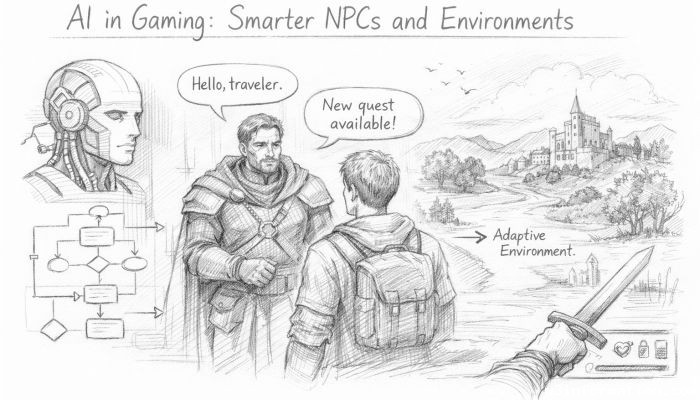 AI in Gaming: Smarter NPCs and Environments
 Understanding Bias in AI Algorithms
 Introduction to Chatbots and Conversational AI
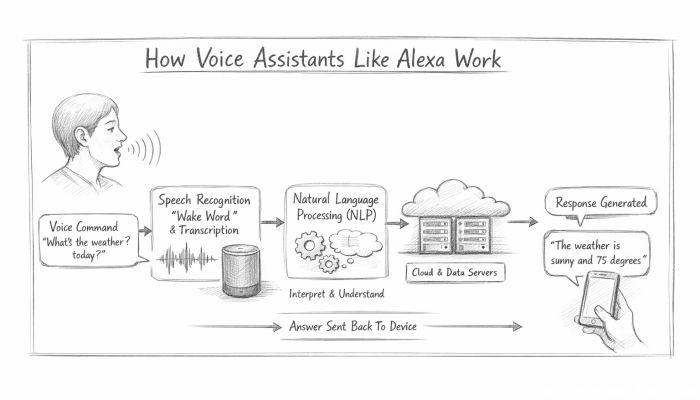 How Voice Assistants Like Alexa Work
 Federated Learning: AI Without Sharing Data