10 Leadership Skills Every Teen Should Learn
Leadership is not something that’s reserved for boardrooms, politics, or impressive-sounding job titles. Leadership starts long before that—in the everyday decisions, relationships, and responsibilities you make as a teenager. Our world is growing more complex and interconnected every day, and teens need more than just book smarts to make it in this challenging time. They need confidence, emotional intelligence, adaptability, and most of all, a sense of purpose and belonging. Learning leadership skills early, during the teen years, can help our teens better navigate school, friendships, social pressure, and future careers with clarity, resilience, and compassion. Leadership skills can help teens learn how to influence others around them for good, while still remaining authentic and true to themselves. In this article, we’ll look at ten powerful and important leadership skills every teen should learn. We’re not aiming to turn our teens into “bosses.” We’re aiming to give them tools to be more thoughtful decision-makers, compassionate teammates, and confident, grounded people. These skills are the building blocks for teens to develop life-long success in academics, social settings, and personal growth.
The Importance of Leadership Skills in Teen Years
The teenage years are a time of significant identity formation. Teens are figuring out who they are, what they stand for, and where they belong in the world. Leadership skills offer a framework to guide them through this confusing time and make sense of the changes happening around them. Learning about leadership helps teens build self-awareness, communication, decision-making, emotional intelligence, and accountability, all crucial for becoming a successful adult. Leadership skills allow teens to be more thoughtful, intentional, and confident in their interactions with others. Learning leadership skills early gives teens the tools to handle peer pressure, setbacks, and uncertainty with more maturity. They no longer need to react impulsively to everything; they can learn to think critically and act with intentionality. Leadership skills are not just for future careers. Learning these skills early helps develop character, confidence, and integrity.

Self-Awareness: Understanding Your Strengths and Weaknesses
Great leaders first understand themselves—what they are good at, where they struggle, how they handle emotions, and what their values are. Self-awareness is the foundation of sound decision-making. When teens are more self-aware, they better understand how their behavior affects others and recognize when they need help or growth. Self-awareness also allows teens to be more reflective, rather than reactive or defensive. If teens know who they are and what they stand for, they do not need to try to fit in with the crowd to feel accepted. Self-awareness breeds confidence, and confident teens lead by example and make decisions in line with their values. These teens are also more open to feedback, a vital quality of effective leaders.
Communication Skills: Expressing Your Ideas Clearly and Respectfully
One of the most critical leadership skills is communication. Learning to express oneself clearly, listen actively, and communicate respectfully is key to building trust and understanding with others. Leadership is not about dominating the conversation or talking the most; it is about making a connection. Teens who develop good communication skills can better resolve conflicts, share their ideas confidently, and collaborate with others. This skill also involves non-verbal communication, tone, and empathy. The teen years are packed with lessons in communication, from classrooms to friendships to future workplaces. When teens communicate clearly and respectfully, they can better advocate for themselves while still respecting others’ perspectives.
Emotional Intelligence: Understanding and Managing Emotions
Emotional intelligence is the ability to recognize, understand, and manage emotions—yours and those of others. This leadership skill is especially important for teens to learn as their emotions can often feel overwhelming and difficult to handle. Emotional intelligence allows teens to pause before reacting, deal with stress constructively, and respond with empathy. Leadership with emotional intelligence is not emotionless or detached. It is understanding, respectful, and grounded. Emotional intelligence strengthens relationships, reduces conflict, and builds emotional resilience. Developing emotional intelligence skills as a teen is learning that true leadership is about connection rather than control.
Responsibility and Accountability: Owning Your Choices and Actions
Leadership requires taking responsibility for your actions, both good and bad. When teens own their choices, successes, and failures, they develop credibility and trust. Learning responsibility also teaches teens that mistakes are not something to be ashamed of but rather an essential part of growth. Saying, “I made a mistake, and I’ll fix it” is a much more mature response than hiding or deflecting. This skill fosters maturity and independence. Responsible teens know that blaming others or making excuses is not productive. Learning to be accountable is laying the groundwork for ethical leadership in the future.
Decision-Making: Thinking Critically and Choosing Wisely
Teens make countless decisions daily that impact their lives now and in the future. From what friends to hang out with to how to perform at school to what to post online, every choice matters. Leadership skills help teens approach decision-making mindfully rather than impulsively. Critical thinking, considering consequences, and long-term impact are all part of this skill. Strong leaders do not make hasty decisions or follow the crowd blindly. They gather information, reflect on their values, and make wise choices. Teaching teens how to make better decisions builds confidence and lessens regret.
Confidence Without Arrogance: Believing in Yourself
Confidence is often mistaken for loudness or bossiness, but true leadership confidence is quiet and self-assured. Confidence is the belief that you are capable, worthy, and able to learn and grow. Confident teens are not afraid to try new things or speak up, but they also know how to listen and learn from others. This balance is what stops confidence from becoming arrogance or insecurity. Confidence allows teens to lead by example, take initiative, and accept criticism without losing self-worth. When teens believe in themselves, others will also want to follow and trust them.
Empathy and Compassion: Leading With Heart
Empathy is the ability to understand and share the feelings of others. Compassion is taking that understanding and acting on it with care. Empathy and compassion are both essential qualities for impactful leadership. Teens who lead with empathy create safe and inclusive spaces where others feel respected and heard. They know when someone is struggling and can respond with kindness rather than judgment. Empathetic leaders do not use their power to control others; they use it to uplift and support. In a world that often rewards individualism and competition, empathy is a vital lesson to teach our teens.
Resilience: Bouncing Back from Failure
Failure is part of life, especially during the learning-filled teenage years. Leadership skills can help teens develop resilience, the ability to recover from setbacks and keep going. Resilient teens know that failure is not a reflection of their worth; it is feedback for growth. This mindset builds growth, persistence, and adaptability. Strong leaders are those who can show courage and continue in the face of difficulty. Teaching teens resilience skills prepares them to face challenges with determination and less fear, turning obstacles into growth opportunities.
Integrity: Doing the Right Thing Even When It’s Hard
Integrity is the foundation of any great leadership. It means being honest, ethical, and consistent in your behavior, even when no one is watching. Teens who learn integrity know how to stand by their values, resist negative influences, and make principled choices. Integrity builds trust, respect, and self-respect. Leaders without integrity may gain power and influence temporarily but will lose credibility in the long run. Teaching teens integrity is learning that leadership is not about popularity; it is about character.
Practicing Leadership Skills Every Day
Leadership skills are not learned overnight. They are developed through day-to-day experiences and consistent practice. Teens can practice leadership skills by volunteering, joining clubs, taking on group projects, or helping with responsibilities at home. Leadership skills can even be practiced in small ways, like listening to a friend, managing time wisely, or respectfully speaking up for yourself. Reflecting on these experiences can also help teens recognize their growth and what they could still improve. Leadership is a habit developed through repeated practice, not a title to be earned through status.
Parents, Teachers, and Mentors: Supporting Teen Leadership
Parents, teachers, and mentors all play an essential role in developing teens’ leadership skills. Encouragement, support, and trust are crucial for making teens feel safe to take risks and make mistakes. Adults can model leadership behaviors, offer constructive feedback, and provide opportunities for teens to take on responsibility. When teens feel believed in, they are more likely to rise to the occasion. Leadership development is most effective when teens feel supported rather than controlled, guided rather than judged.
Conclusion
Leadership is not about being bossy or in charge; it is about being responsible, compassionate, and intentional. The ten leadership skills every teen should learn are self-awareness, communication, emotional intelligence, responsibility, decision-making, confidence, teamwork, empathy, resilience, and integrity. These ten skills create a powerful framework for life. When teens have these skills, they can better handle life’s challenges, build meaningful relationships, and step into adulthood confidently and with purpose. Learning these skills early does not just set teens up for future success; it also allows them to be positive influences in the present. When we invest in teen leadership, we invest in a better, kinder, and more capable future for everyone.
W3information helps you to get knowledge about the new information. This site under copyright content belongs to w3information. By using this site, you agree to have read and accepted our
terms of use,
cookie and privacy policy.  Big O Notation Explained for Beginners
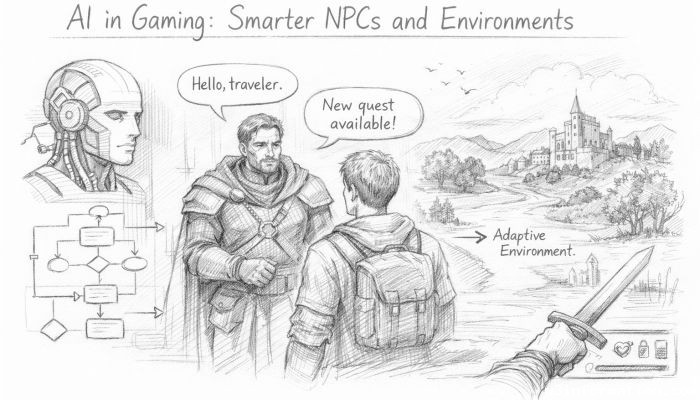 AI in Gaming: Smarter NPCs and Environments
 Understanding Bias in AI Algorithms
 Introduction to Chatbots and Conversational AI
 How Voice Assistants Like Alexa Work
 Federated Learning: AI Without Sharing Data