How to Stay Productive During Your School Break
The allure of a school break is obvious: no homework, no looming deadlines, and no early mornings. For many students, however, the first few days of freedom lead to an all-too-familiar cycle of endless scrolling, binging, sleeping, and procrastinating. Weekday after weekday blurs into a haze of lost motivation and forgotten potential, and suddenly it’s time to head back to school. But the school break doesn’t have to be all or nothing. You can enjoy rest and relaxation, but also come out the other side with real progress, too. The key is to find a healthy balance between work and play during your break so you can enjoy your freedom while still growing mentally, emotionally, and practically. In this article, we explore realistic and student-friendly ways to stay productive without sacrificing the mental break you need.
Redefining Productivity During a School Break
Productivity during a school break looks different from productivity during the school year. It’s not about strict schedules, constant studying, or maxing out every minute. Instead, it’s about purposeful use of time. A productive school break allows room for rest, creative expression, and personal development, not just quantity of work. Redefining productivity as progress over pressure shifts your mindset. Celebrate small victories like reading a few pages a day, learning a new habit, or pursuing an interest you didn’t have time for during school. This approach prevents guilt while still allowing space for growth, making productivity feel empowering instead of overwhelming.

Setting Realistic Intentions Rather Than Excessive Goals
One common mistake is to make an extensive and ambitious to-do list for the break. The more goals students set for themselves, the more likely they are to accomplish none of them. Instead, choose two or three clear intentions for the break. This could be related to skill-building, health, or light preparation for the next school term. Intentions provide direction without pressure. Focus on the question: How do you want to feel when school starts again? Let your answer guide the intentions you set. With clear intentions, productivity can become purposeful rather than forced.
Establishing a Flexible Daily Routine That Suits You
Students tend to fall into two extremes when it comes to structure during a school break: complete lack of routine or hyper-strict schedules. The middle ground is a flexible daily routine. This might include regular waking times, a dedicated productivity window, and intentional rest. You don’t need to structure every hour of your day — just anchor it with a few non-negotiables. For example, mornings could be for personal projects, afternoons for leisure, and evenings for reflection or light learning. A flexible routine provides rhythm, helping you stay productive during your school break while still enjoying the freedom.
Balancing Rest with Productive Activities
Rest and relaxation are crucial after a busy school term. However, there is a difference between restorative rest and aimless laziness. True rest leaves you feeling energized and rejuvenated rather than sluggish or unproductive. Sleeping well, getting outside, and unplugging from constant digital noise are excellent ways to rest. When rest is intentional and deliberate, it fuels productivity instead of replacing it. Give yourself permission to rest guilt-free, knowing that it will actually help you focus and engage when you do decide to work on something meaningful.
Learning New Skills During Your School Break
A school break is a great opportunity to learn skills that the classroom often neglects. From digital skills like coding, graphic design, or video editing to life skills like cooking, budgeting, or communication. Skill-building during your break should feel enjoyable and hands-on, not like school. Free online courses, tutorials, and practical application make it easy to learn new skills in a flexible way. Developing even one new skill during a school break builds confidence and gives you a sense of accomplishment that can help transition into the next term.
Engaging Your Mind Creatively
Staying productive during your school break doesn’t have to involve schoolwork. Mental stimulation can also come from reading books for pleasure, writing creatively, playing puzzles, or exploring new interests and ideas. Mental activities can keep your brain sharp and engaged without the stress of academic requirements. Reading in particular is an excellent way to improve concentration, vocabulary, and critical thinking skills that carry over to any subject. The moment you direct your learning towards your curiosity instead of an obligation or requirement, it becomes lighter and more enjoyable. Curiosity is an excellent way to stay productive during your school break without burning out.
Managing Screen Time and Digital Distractions
Screen time is a major obstacle for students trying to stay productive on a break. Hours of aimless scrolling and social media can make you feel hollow and unsatisfied. Managing screen time is not about quitting technology but using it consciously. Set specific limits for social media apps, turn off unnecessary notifications, and build screen-free blocks into your day. Replace passive digital consumption with intentional and purposeful digital use like learning videos or working on a creative project. The more you control technology rather than react to it, the more you will have of your time and energy to focus on something more meaningful.
Prioritizing Physical Health to Boost Energy Levels
Physical health is another important pillar of productivity. It is not uncommon for your movement and eating routines to all but disappear during a school break. These changes to movement and diet can leave you with little energy, motivation, or concentration. Physical activity doesn’t have to be intense to make you feel better. Walking, stretching, cycling, or home workouts can be enough to lift your mood and clarity. Eating regular, nourishing meals and staying hydrated also makes a big difference in how you feel. When your body is cared for and nourished, your mental state and productivity follow naturally. Physical care is not a distraction or alternative to productivity, but rather the basis for it.
Exploring Hobbies and Creative Interests
Most school schedules make little room for creativity. Use your school break as a chance to discover neglected hobbies or try new ones. Painting, playing music, photography, writing, or crafting can be deeply satisfying and mentally refreshing. Creative outlets help reduce stress while also improving problem-solving skills and self-expression. They also help students reconnect with aspects of themselves that do not revolve around academic performance. Even if a hobby doesn’t stick long-term, the simple act of exploration is productive because it enriches your life and expands your mind.
Reflecting on the Past Term and Planning for the Next
Reflection is one of the most powerful, and often overlooked, productivity tools for school breaks. Take time to reflect on what did and did not work for you during the previous term. Which habits helped you and which were draining or challenging? Self-reflection provides clarity to make better choices going forward. Light preparation for the upcoming school term like organizing materials, setting goals, or reviewing concepts can also alleviate stress later on. Preparation during a school break does not mean studying all the time, but it does mean creating more clarity and confidence for what lies ahead.
Building Consistency through Daily Actions
Consistency is more important to long-term productivity than bursts of effort. Waiting for motivation is an easy trap for students on a school break. Instead, focus on small daily actions that move you forward. Reading a few pages of a book, practicing a skill for ten minutes, or tidying one space each day. These small wins build positive momentum and reinforce self-discipline without becoming overwhelming. Consistency during your school break plants the habits you will need for the coming school year. When productivity is woven into your identity, rather than a temporary effort, it begins to feel natural instead of forced.
Conclusion
Learning how to stay productive during a school break isn’t a matter of sacrificing rest and relaxation or making your break into another semester. It’s about a balance of intention and self-awareness, understanding what you truly need, and not succumbing to pressure. By redefining productivity, setting realistic goals and intentions, creating a flexible daily routine, and prioritizing both mental and physical health, you can grow without burning out. A productive school break leaves you feeling refreshed, confident, and prepared rather than drained or full of regret. Productivity, at its best, enriches your life — it does not consume it.
W3information helps you to get knowledge about the new information. This site under copyright content belongs to w3information. By using this site, you agree to have read and accepted our
terms of use,
cookie and privacy policy.  Big O Notation Explained for Beginners
 AI in Gaming: Smarter NPCs and Environments
 Understanding Bias in AI Algorithms
 Introduction to Chatbots and Conversational AI
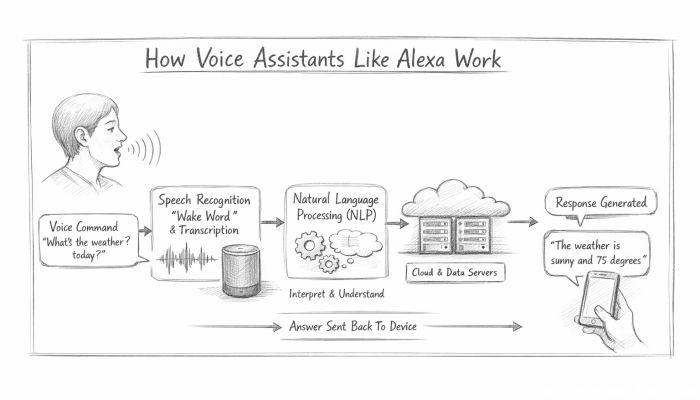 How Voice Assistants Like Alexa Work
 Federated Learning: AI Without Sharing Data