The Benefits of Multicultural Education in Schools
The American school system is designed to prepare future generations for the realities of life and enable children and teenagers to successfully find their place in a multicultural world. A great number of teachers integrate the concepts of diversity, inclusiveness, and equity in their activities. The educational material is updated, and more and more textbooks and educational resources include the history and point of view of people who are part of different cultures, have other perspectives, and experience diverse emotions. Multicultural education is beneficial for not only students but for a wider society as well. The benefits range from academic improvement to social solidarity. In this article, we will discuss 12 positive effects that multicultural education has on individuals and on society as a whole.
- Cultural Awareness and Appreciation
- Social and Emotional Development
- Critical Thinking and Perspective-Taking
- Achievement Gaps Reduction
- Skills for a Global Workforce
- Prejudice and Discrimination Reduction
- Identity Development and Self-Esteem
- Civic Engagement and Social Responsibility
- Curriculum Enrichment
- Collaboration
- Intercultural Dialogue
- Lifelong Values
- Conclusion
- More Related Topics
Cultural Awareness and Appreciation
Multicultural education enables students to learn and know about other cultures, traditions, languages, religions, histories, etc. Students have a better understanding of people around them, their habits, rituals, and culture. This is a positive way to help them be more aware and appreciative of diversity. With a better understanding of others, people will start to look at those who are different from them with more respect and will not be biased or judgmental. Instead of thinking poorly of those who come from other countries, have another skin color or practice a different religion, students will have a wider perspective and will understand other people’s lives better.

Social and Emotional Development
The emotional and social development of students will also be positively impacted by the integration of a multicultural education concept into the learning process. It will help students better recognize and express their emotions, develop a sense of empathy and compassion, learn how to feel comfortable with the people around them, learn to see different perspectives and points of view. It also teaches the students to understand other people’s perspectives, think differently, and see people who are different from them as no less important than them. These positive effects will stay with the students all their lives and will not only be useful for communication in school.
Critical Thinking and Perspective-Taking
The educational system that is inclusive of multiple cultures helps to challenge the dominant narratives of the majority. It helps students to take a different perspective on some aspects of life and causes them to think more deeply and critically. With this educational concept, students will not only learn new information, but they will also learn to question the things they already know. Perspective-taking, being a positive result of students’ education, will help them develop intellectual humility as they will start to understand that their knowledge and the way they see the world are not the only and absolute truth.
Achievement Gaps Reduction
Achievement gaps among different ethnic groups can be successfully addressed with a more holistic educational approach. When students can see themselves and their cultural characteristics in the curriculum, they are more likely to see the learning process as something more relevant and engaging to them. The achievement gap between dominant and minority groups of students can be addressed by including the information, examples, people, and history relevant to the underrepresented groups in the educational material.
Skills for a Global Workforce
A multicultural society needs people who can interact in the workplace where they are presented with new and different cultures every day. Multicultural education also will have a positive impact on students’ work as they will be more knowledgeable about people from different parts of the world and their cultures. These skills will help students become more employable as employers tend to be more attracted to people who have an understanding of different cultures, are able to work with different groups of people, and are culturally competent. As global diversity is widely accepted and even celebrated these days, the ability to be in sync with the environment and people around you is a critical skill to have.
Prejudice and Discrimination Reduction
Multicultural education, with its deep involvement in diverse ethnic groups and knowledge about different cultures, will also have a positive effect on the reduction of such negative behaviors as prejudice and discrimination. Schools that implement such an educational concept will be safe and inclusive places where everyone can feel at home and learn in a non-hostile environment. The issues of social justice, privilege, power, and inequality will be addressed, and students will be encouraged to not be biased and prejudiced but to be actively anti-racist.
Identity Development and Self-Esteem
Students whose cultures and ethnic groups are not represented in the educational system often feel invisible and unimportant, which might have a negative effect on their self-esteem. Multicultural education will address the issue and will provide opportunities for all students to not only learn about others but to be able to learn about their heritage and culture and understand their importance within the larger society. Self-esteem and identity development are significant values for not only children’s and teenagers’ education but for their lives as well.
Civic Engagement and Social Responsibility
The integration of multicultural knowledge and information into the educational system will also help foster civic engagement and social responsibility in students. With such knowledge and skills as the ability to be compassionate and empathic, the ability to challenge the dominant narrative and think critically, and understanding that the issues of discrimination and racism are unfair, students will be encouraged to participate in democratic institutions and public life.
Curriculum Enrichment
Multicultural education will also positively impact the curriculum that is no longer fixed but more relevant and up-to-date as teachers will include various examples of books, people, and events from different parts of the world, different cultures, ethnicities, and gender orientations. The same goes for teaching methods which are likely to be more efficient and collaborative as they will encourage students to work together and learn more by discussing various topics.
Collaboration
When the education system includes multicultural concepts, collaboration is observed not only between students but between teachers as well. Teachers are also coming from different parts of the world and represent diverse cultures and ethnic groups, and when they come together, they share their experiences, pedagogical strategies, and teaching methods. Collaboration is also between students as they will be able to learn better when working with their peers. Collaboration is an excellent skill which will be very useful for students in the future.
Intercultural Dialogue
Multicultural classrooms will have people from diverse backgrounds and cultures which means that communication between the students will require them to negotiate values, norms, and communicational styles. This is a highly-practiced skill which will stay with them for the rest of their lives. Students will also be able to better understand what diversity is and how to deal with conflict in a multicultural society. Dialogue is essential for democratic and inclusive societies, and students will be able to develop and improve this skill through education.
Lifelong Values
Last but not least, multicultural education will help form lifelong values in students, the most important of which are inclusivity and equity. These values will have a highly positive effect on people’s behaviors and thoughts not only during their school years but during the rest of their lives. As the positive effects of multicultural education are multiple, one cannot overstate the significance of this learning concept.
Conclusion
The educational system that was designed to prepare future generations for life in a multicultural society should include a holistic and non-biased view of the world. As the 12 positive effects that multicultural education on both students and on a wider society show, this is a method that will only enrich the lives of the people who will be taught and live by its values. The need to be more inclusive of other people’s cultures, less prejudiced and biased towards others, more democratic and respectful of other people’s rights and values is highly significant these days, and education is a system where people are likely to develop and improve these aspects of their character.
 Big O Notation Explained for Beginners
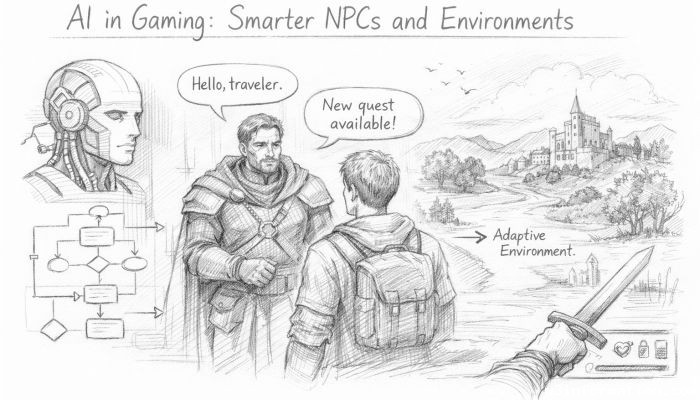 AI in Gaming: Smarter NPCs and Environments
 Understanding Bias in AI Algorithms
 Introduction to Chatbots and Conversational AI
 How Voice Assistants Like Alexa Work
 Federated Learning: AI Without Sharing Data