How to Prepare for Standardized Tests: Expert Tips
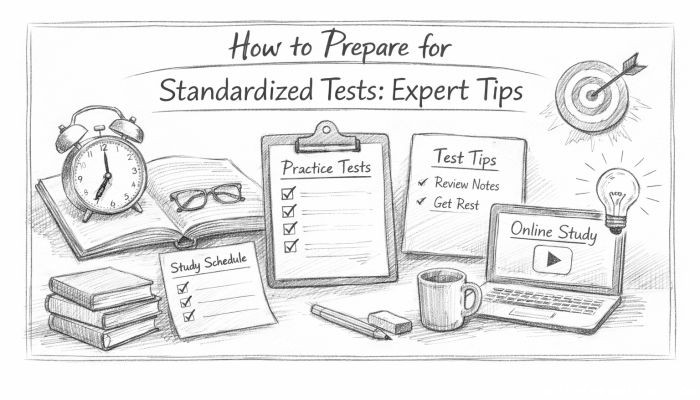
Standardized tests are a common rite of passage for students and professionals around the world. Whether it’s the SAT, ACT, GRE, or any other standardized test, acing these exams can open doors to colleges, scholarships, and career opportunities. But the pressure to perform well can also be daunting and nerve-wracking. The good news is that with the right approach and preparation, you can not only score high on the test but also feel confident and relaxed while taking it. In this article, we’ll cover expert tips on how to prepare for standardized tests, from understanding the format and taking practice tests to building effective study habits and test-taking strategies. We’ll also discuss the importance of taking care of your physical and mental health and how to manage stress on test day. By following these tips and tricks, you can increase your chances of success and achieve your goals on standardized tests.
- Understand the Test Format and Content
- Take a Diagnostic Practice Test
- Create a Study Schedule
- Use Quality Study Materials
- Practice Time Management
- Learn Test-Taking Strategies
- Build Subject-Specific Skills
- Review Regularly
- Simulate Test Conditions
- Take Care of Your Health
- Seek Support and Guidance
- Develop a Test Day Routine
- Conclusion
- More Related Topics
Understand the Test Format and Content
The first step to effective preparation is to familiarize yourself with the test format and content. Standardized tests have a specific structure, including the types of questions, time limits, scoring, and subject areas. Review the official test guidelines, if available, or research online to learn as much as you can about the exam you are taking. Knowing the number of sections, question types, and skills assessed can help you create a study plan, choose the right study materials, and practice with relevant questions. For example, if you know that the test you are taking is heavily focused on vocabulary, you can prioritize reading and building your lexicon as part of your preparation.
Take a Diagnostic Practice Test
Before you start studying, it’s a good idea to take a diagnostic test to assess your current level of knowledge and skills. This can help you identify your strengths and weaknesses and focus your study efforts on areas that need improvement. A diagnostic test should be a full-length, timed practice test that simulates the actual test conditions. After taking the test, review your results carefully and take note of the sections or question types where you struggled the most. This will help you avoid random or ineffective studying and set specific goals for your preparation.
Create a Study Schedule
Preparing for a standardized test requires regular and consistent effort over a period of time. Creating a study schedule can help you stay on track, cover all the necessary topics, and avoid cramming at the last minute. To create an effective study schedule, estimate how much time you have until the test date and divide it into smaller, manageable study sessions. Allocate enough time for each section of the test and prioritize the topics that need the most attention. Make sure to include breaks and days off to avoid burnout and maintain motivation. Sticking to a study schedule also builds a good habit of regular preparation that gradually improves your skills.
Use Quality Study Materials
The quality of your study materials is crucial to your preparation success. Invest in good study guides, official practice books, online resources, or prep courses that offer practice questions and exercises that closely resemble the actual test. Avoid using outdated or low-quality materials that may provide inaccurate or incomplete information. You can supplement your main study materials with other resources like flashcards, video tutorials, or mobile apps to reinforce your learning and make your study sessions more engaging.
Practice Time Management
Standardized tests are timed, and you only have a limited amount of time to answer each question. It’s essential to develop good time management skills to ensure you can complete all the questions without rushing. Practice pacing yourself during your study sessions and work on strategies to help you manage your time during the actual test. This can include answering the easier questions first, marking the more challenging ones for review, or allocating time to double-check your answers. By practicing time management during your preparation, you can build your stamina and avoid leaving questions unanswered on test day.
Learn Test-Taking Strategies
Knowing the content is important, but acing a standardized test also requires effective test-taking strategies. Familiarize yourself with techniques to eliminate wrong answer choices, make educated guesses, and read the questions carefully. Develop critical reading and analytical skills to help you interpret the questions correctly and deal with tricky or ambiguous prompts. Test-taking strategies can also include knowing when to move on from a difficult question to avoid getting stuck and slowing down your progress. By mastering test-taking strategies during your preparation, you can increase your chances of answering all the questions correctly.
Build Subject-Specific Skills
Standardized tests often cover a variety of subjects, including math, reading comprehension, writing, and science. Tailor your preparation to the specific skills required for each subject area. For math, practice problem-solving, algebra, geometry, and data analysis questions. For reading, focus on building your vocabulary, comprehension, and critical reading skills. For writing, work on essay structure, grammar, and concise expression. By strengthening your subject-specific skills, you can create a solid foundation for your test performance.
Review Regularly
Reviewing the material you have studied is as important as learning new content. Schedule regular review sessions to go over the topics you have covered and reinforce what you have learned. Spaced repetition, or reviewing the material over time, can help move knowledge from short-term to long-term memory and reduce forgetting. Review sessions can include redoing previous practice tests, going over your mistakes, and clarifying any doubts. Regular review not only helps you identify and address persistent weaknesses but also helps you track your progress and build confidence.
Simulate Test Conditions
One of the best ways to prepare for a standardized test is to practice under real test conditions. Take full-length practice tests under timed conditions and follow all the test rules, such as no notes or calculators unless allowed. Simulating the test environment helps you acclimate to the pressure and discipline required on test day. It also helps you understand how you cope with fatigue, time constraints, and stress. The more you practice under real conditions, the less intimidating the actual test will be.
Take Care of Your Health
Standardized test preparation is not just an intellectual exercise; it also requires taking care of your physical and mental health. Eat a balanced diet, exercise regularly, and get enough sleep to keep your brain sharp and reduce fatigue. Practice mindfulness, meditation, or deep-breathing exercises to help manage test anxiety and improve concentration. Taking care of your health and well-being not only helps you perform better on the test but also promotes a positive mindset and resilience.
Seek Support and Guidance
Don’t hesitate to seek support and guidance from teachers, tutors, study groups, or online forums. Getting help from experts or peers can provide personalized feedback, clarify difficult concepts, and introduce new strategies you may not have discovered on your own. Collaborating with others also helps maintain motivation and allows you to share resources and experiences. In some cases, professional test preparation courses or coaching can offer a structured and efficient way to improve your performance in a limited time.
Develop a Test Day Routine
Your performance on the test day can also be affected by how well you prepare logistically and mentally. Plan your test day routine in advance: know the location of the testing center, what materials you need to bring, and when you need to arrive. Eat a nutritious meal before the test and avoid last-minute cramming. Practice relaxation techniques to calm your nerves and visualize success to boost your confidence. Having a clear plan for test day can minimize distractions and help you focus on the task at hand, allowing you to approach the exam calmly and ready to excel.
Conclusion
Preparing for standardized tests is a multi-step process that goes beyond content review. It involves understanding the test format, assessing your current level, creating a study plan, and integrating strategic test-taking techniques. Building subject-specific skills, reviewing regularly, and practicing under timed conditions can help create a strong foundation for test performance. Taking care of your physical and mental health, seeking support and guidance, and developing a calm and focused test day routine are also critical for success. By following these expert tips and tricks, you can not only improve your chances of scoring high on standardized tests but also gain lifelong skills in planning, discipline, and resilience. Ultimately, thorough preparation can turn standardized tests from intimidating obstacles into gateways of opportunity.
 How to Make the Most of Your Holiday Break
 The Best Winter Destinations for a Cozy Getaway
 How to Organize Your Holiday Travel Plans with Ease
 The Ultimate Guide to Cooking for a Crowd
 How to Make Healthy Comfort Food Without the Guilt
 5 Delicious Vegan Breakfast Ideas You Can Make in Minutes