How to Keep Kids Engaged in Learning After School
In today’s fast-paced world, finding ways to keep kids engaged in learning after school can be a challenge. The temptation of screens, video games, extracurricular activities, and social commitments often leaves parents and educators scratching their heads. So how do we ensure children are interested in after-school learning? With the school day stretching their minds and energy, it can be difficult to inspire kids to continue exploring, problem-solving, and studying at home. However, after-school learning plays a critical role in reinforcing classroom lessons, nurturing curiosity, and building important life skills. This article will delve into effective strategies to engage kids in meaningful learning activities after the school bell rings. From creating a supportive environment to using technology and games, these tips will transform after-school hours from chaotic or boring downtime into enriching hours of growth and discovery.
- Understand Your Child’s Interests and Learning Style
- Set Clear and Attainable Goals
- Create a Dedicated Learning Space
- Incorporate Interactive and Hands-On Activities
- Use Technology Wisely
- Encourage Reading for Pleasure
- Foster Curiosity Through Questioning
- Incorporate Physical Activity and Breaks
- Collaborate with Peers
- Involve Parents and Caregivers Actively
- Utilize a Variety of Resources
- Recognize and Reward Effort
- Conclusion
- More Related Topics
Understand Your Child’s Interests and Learning Style
Engagement begins with personalization. Every child is unique, with different learning styles and interests. Some kids may be visual learners, thriving on videos and diagrams, while others may prefer hands-on activities or verbal explanations. Observing and understanding what captures your child’s attention and how they absorb information most effectively allows you to tailor after-school activities to align with their natural inclinations. Encourage your child to express their interests and ask questions about what they enjoy learning. Incorporating their favorite subjects or connecting new knowledge to real-world examples that resonate with them can significantly enhance their enthusiasm for after-school learning.

Set Clear and Attainable Goals
Kids are more likely to engage in activities when they understand the purpose and have a clear goal in mind. Establishing clear, achievable objectives for after-school learning gives children a sense of direction and motivation. Instead of vague goals like “study math,” set specific targets like “complete three math problems” or “learn five new vocabulary words.” Breaking down learning into manageable steps makes progress tangible and encourages kids to keep pushing forward. Celebrate these small wins with positive reinforcement to reinforce a growth mindset and build momentum for more complex challenges.
Create a Dedicated Learning Space
Environment is everything. A quiet, comfortable, and well-organized space dedicated to learning can help kids focus and signal to them that it’s time to concentrate. Equip this area with necessary supplies like pencils, notebooks, a laptop or tablet, or even educational games. Ensure it’s well-lit, minimize noise distractions, and set it apart from play areas to help children mentally transition into learning mode. A consistent learning space also creates routine and reinforces the idea that after-school activities are a priority, helping children stay on task.
Incorporate Interactive and Hands-On Activities
Passive learning methods like listening or reading alone can quickly lead to boredom. Interactive and hands-on activities are a surefire way to keep kids engaged after school. Science experiments, DIY projects, cooking, or educational games engage multiple senses and allow kids to apply what they’re learning in practical ways. These activities also foster critical thinking, problem-solving, and creativity, making the learning process dynamic and memorable. Whether it’s building a model volcano or conducting a simple experiment, getting kids to interact with materials and real-world scenarios enhances understanding and retention.
Use Technology Wisely
While screens are often criticized for causing distractions, technology can be a powerful ally when used appropriately. Educational apps, online games, and interactive videos can make after-school learning fun and engaging. Look for age-appropriate resources that align with your child’s curriculum or interests. Platforms that gamify learning, offering rewards and challenges, can be especially motivating and help track progress. However, monitor screen time and ensure a balance with offline activities to avoid fatigue and maintain varied sensory engagement.
Encourage Reading for Pleasure
Reading is the foundation of learning and plays a crucial role in academic success. Encourage your child to read books they enjoy after school. Offer a variety of genres and formats, including fiction, non-fiction, comics, and magazines. Visiting libraries or creating a cozy reading nook at home can make reading more inviting. Discussing stories, characters, and themes enhances comprehension and critical thinking skills. When kids associate reading with enjoyment rather than obligation, they’re more likely to engage regularly and develop a lifelong love for books.
Foster Curiosity Through Questioning
Curiosity is the driving force behind learning. Encourage kids to ask questions about the world around them and support their quest for answers. Engage in discussions, explore topics together online or in books, or conduct simple experiments. Guide them to think critically and research independently rather than immediately providing solutions. By cultivating a curious mindset, you teach kids that learning is an ongoing adventure. This approach also makes after-school time a space for exploration, discovery, and problem-solving, rather than mere review of schoolwork.
Incorporate Physical Activity and Breaks
Too much sitting can be counterproductive, causing loss of concentration and waning enthusiasm. Breaks and physical activity during after-school learning help reset attention and energy levels. Short bursts of exercise, stretching, or outdoor play can improve mood and cognitive function. Look for ways to integrate movement with learning, such as educational scavenger hunts, or kinesthetic learning games that combine physical activity with mental challenges. Alternating between work and play helps kids stay refreshed and more willing to engage when it’s time to return to academic tasks.
Collaborate with Peers
Learning with friends or classmates can be a powerful motivator and make after-school hours more enjoyable. Study clubs, book discussions, or collaborative projects can be excellent ways to combine social interaction with reinforcing academic concepts. Peers provide support, share ideas, and can introduce a healthy level of competition, all of which stimulate engagement. In-person or supervised virtual meetups can work, fostering communication skills and accountability in a positive social setting connected to learning.
Involve Parents and Caregivers Actively
Parental involvement is a critical ingredient in sustaining after-school learning habits. When caregivers show interest and actively participate in their child’s education, it sends a strong message about the value of learning. Offer help with homework, discuss school experiences, or explore new topics together. Parents can model a positive attitude and curiosity toward learning challenges. Establishing consistent routines and expectations around after-school learning also helps children develop discipline and self-motivation.
Utilize a Variety of Resources
Learning from different sources and using diverse methods keeps the experience fresh and exciting. Supplement traditional textbooks and notes with podcasts, documentaries, museum visits, or educational kits. Cultural experiences like local history tours or art exhibits can provide context and make learning multidimensional. Accessing information from podcasts or online lectures can complement school lessons and offer new perspectives. Variety is key to sparking enthusiasm and breaking the monotony, showing children that learning is diverse and can happen everywhere.
Recognize and Reward Effort
Praising effort rather than just outcomes nurtures resilience and a growth mindset in children. Acknowledge and encourage specific behaviors like perseverance, curiosity, or creativity, to foster continued engagement. Rewards don’t have to be extravagant; verbal praise, stickers, extra playtime, or a small treat can all be motivating. Establishing a system of recognition and rewards reinforces positive learning behaviors, making after-school educational activities something kids look forward to, rather than dreading.
Conclusion
Keeping kids engaged in learning after school is essential but can be a challenge. By understanding your child’s unique learning style and interests, setting clear goals, creating a dedicated learning space, and using interactive, hands-on activities, you can transform after-school hours into an enriching and enjoyable learning experience. Technology, reading, peer collaboration, and active parental involvement are also key ingredients for success. Embracing curiosity, variety, and balance will not only improve academic skills but also nurture resilience and a love for learning that will last a lifetime. With the right strategies, after-school time can be a vibrant and vital part of your child’s educational journey, laying the foundation for success and a lifelong curiosity.
 Big O Notation Explained for Beginners
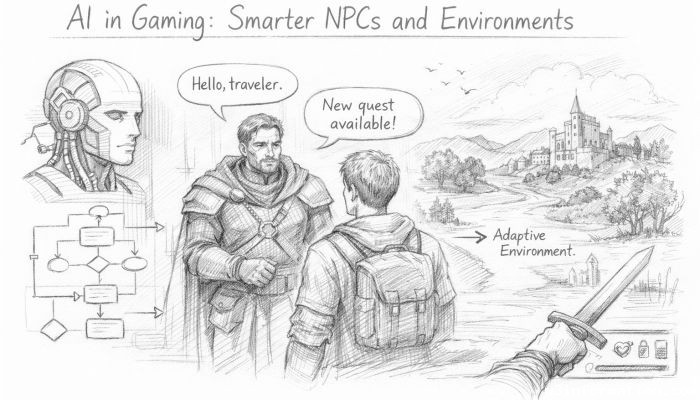 AI in Gaming: Smarter NPCs and Environments
 Understanding Bias in AI Algorithms
 Introduction to Chatbots and Conversational AI
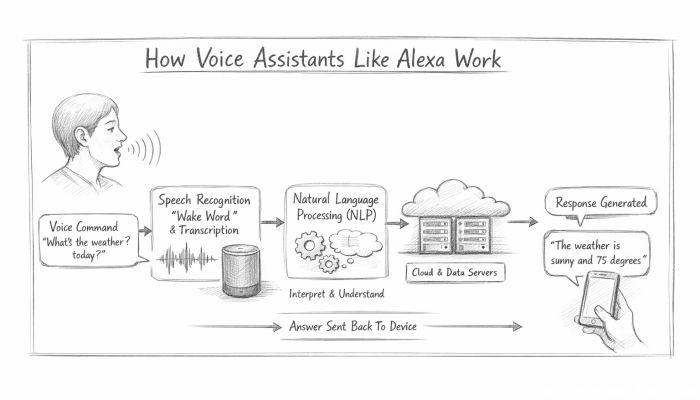 How Voice Assistants Like Alexa Work
 Federated Learning: AI Without Sharing Data