How to Make Learning Fun with Hands-On Projects
Learning doesn’t have to feel like a chore, a worksheet marathon, or a grades-and-deadlines race. In fact, some of the most powerful learning happens when curiosity leads the way and hands get a little messy. Hands-on projects transform education from passive absorption into active discovery, helping learners of all ages connect ideas to real-life experiences. Whether you’re a parent, teacher, or lifelong learner, project-based learning can ignite motivation, deepen understanding, and make lessons truly memorable. This article explores how to make learning fun with hands-on projects—why it works, how to design meaningful activities, and how to adapt them for different ages and learning styles. By the end, you’ll see that learning isn’t just something we do with our minds; it’s something we experience with our whole selves.
Why Hands-On Learning Works So Effectively
Hands-on learning works because it aligns with how the human brain naturally learns. When learners actively engage—touching, building, experimenting, and problem-solving—they create stronger neural connections. Instead of memorizing abstract information, they experience concepts firsthand.
This approach also activates multiple senses, which improves retention and understanding. When learners see, hear, and physically interact with material, they are more likely to remember it. Beyond academics, hands-on projects foster critical thinking, creativity, and resilience. Mistakes become part of the process rather than failures, teaching learners that growth comes through exploration and effort.

Turning Curiosity into the Starting Point
Every great hands-on project begins with curiosity. Children and adults alike learn best when they are genuinely interested in the topic. Instead of starting with a rigid lesson plan, start with a question: Why does this happen? How does this work? What would happen if…?
When learning is driven by curiosity, motivation becomes intrinsic. A child fascinated by bugs might build a mini habitat. A student curious about space might design a model rocket. Curiosity transforms learning from obligation into adventure, making projects feel exciting rather than forced.
Designing Projects with a Clear Learning Goal
Fun alone isn’t enough—effective hands-on learning also has purpose. Before starting a project, identify the key concept or skill you want the learner to gain. This might be understanding fractions, exploring ecosystems, improving writing skills, or developing teamwork.
Once the goal is clear, design the project around it. For example, baking cookies can teach math through measuring, science through chemical reactions, and responsibility through following steps. When projects are intentional, learning happens naturally without feeling instructional.
Making Learning Multisensory and Interactive
Hands-on projects thrive when they engage multiple senses. The more interactive the experience, the deeper the learning. Cutting, building, drawing, tasting, listening, and moving all contribute to stronger comprehension.
For example, a history lesson becomes more engaging when learners create artifacts, dress in period clothing, or reenact events. Science concepts come alive when students mix solutions, grow plants, or test hypotheses. Multisensory learning is especially powerful for learners who struggle with traditional, text-heavy instruction.
Using Everyday Materials to Spark Creativity
Hands-on learning doesn’t require expensive kits or elaborate tools. Some of the best projects use everyday materials—cardboard, recycled containers, paper, string, kitchen ingredients, or nature items.
Using simple materials encourages creativity and problem-solving. Learners must think critically about how to use what they have, which mirrors real-world innovation. It also removes barriers, making hands-on learning accessible at home, in classrooms, or in community settings.
Adapting Projects for Different Age Groups
Hands-on learning works at any age, but projects should be developmentally appropriate. Younger children benefit from short, open-ended activities that allow exploration without pressure. Older learners can handle more complex, multi-step projects that involve planning, research, and reflection.
For younger learners, building shapes, sorting objects, or simple science experiments work well. For teens, projects like designing a business plan, building a prototype, or conducting real-world research add relevance and challenge. Tailoring projects to age ensures engagement without overwhelm.
Encouraging Problem-Solving and Critical Thinking
One of the greatest benefits of hands-on projects is the opportunity to develop problem-solving skills. Instead of providing step-by-step instructions for everything, allow space for trial and error.
When learners encounter obstacles, resist the urge to fix things for them. Ask guiding questions instead: What do you think went wrong? What could you try next? This approach builds confidence, independence, and analytical thinking—skills far more valuable than memorizing answers.
Making Room for Collaboration and Social Learning
Learning doesn’t have to be a solo activity. Hands-on projects are ideal for collaboration, whether between siblings, classmates, or parent and child. Working together encourages communication, negotiation, and teamwork.
Group projects also expose learners to different perspectives and ideas. One person’s strength may complement another’s weakness, creating a richer learning experience. Social interaction adds energy and enjoyment, making learning feel shared rather than isolated.
Connecting Projects to Real-Life Applications
Learning becomes more meaningful when learners see how it applies to real life. Hands-on projects bridge the gap between theory and practice, showing that knowledge isn’t confined to textbooks.
For example, budgeting for a project teaches financial literacy. Gardening introduces biology, responsibility, and patience. Building a simple machine demonstrates physics and engineering concepts. When learners understand the relevance of what they’re doing, engagement and motivation increase dramatically.
Allowing Freedom, Choice, and Ownership
One of the fastest ways to kill enthusiasm is excessive control. Hands-on learning thrives on choice and ownership. Whenever possible, let learners decide how to approach a project, what materials to use, or how to present the final result.
Choice fosters autonomy and pride. When learners feel ownership over their work, they are more invested in the outcome. Even small choices—colors, themes, formats—can make a big difference in engagement and satisfaction.
Reflecting on the Learning Experience
Reflection is the bridge between activity and understanding. After completing a hands-on project, take time to discuss what was learned. Ask questions like: What worked well? What was challenging? What would you do differently next time?
Reflection helps learners internalize concepts and recognize their growth. It also reinforces that learning is a process, not just an end product. Journaling, discussions, or presentations can all serve as meaningful reflection tools.
Embracing Mess, Mistakes, and Imperfection
Hands-on learning is rarely neat—and that’s a good thing. Messy tables, failed experiments, and unfinished ideas are signs of real learning in progress. Perfection is not the goal; exploration is.
When adults model patience and curiosity instead of frustration, learners feel safe to take risks. Mistakes become opportunities rather than setbacks. This mindset builds resilience and a lifelong love of learning that extends far beyond any single project.
Conclusion
Making learning fun with hands-on projects isn’t about entertainment—it’s about engagement, meaning, and connection. When learners actively participate, explore their curiosity, and apply knowledge in real ways, learning becomes deeper and more joyful. Hands-on projects nurture creativity, critical thinking, collaboration, and confidence—skills that matter far beyond the classroom. Whether you’re guiding a child, teaching students, or learning yourself, remember that the most powerful lessons are often built, tested, and discovered through experience. When learning feels alive, curiosity leads the way, and hands are involved, education transforms into something truly unforgettable.
W3information helps you to get knowledge about the new information. This site under copyright content belongs to w3information. By using this site, you agree to have read and accepted our
terms of use,
cookie and privacy policy.  Big O Notation Explained for Beginners
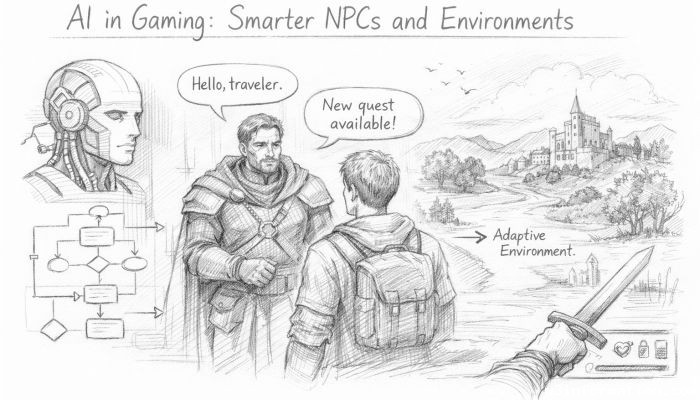 AI in Gaming: Smarter NPCs and Environments
 Understanding Bias in AI Algorithms
 Introduction to Chatbots and Conversational AI
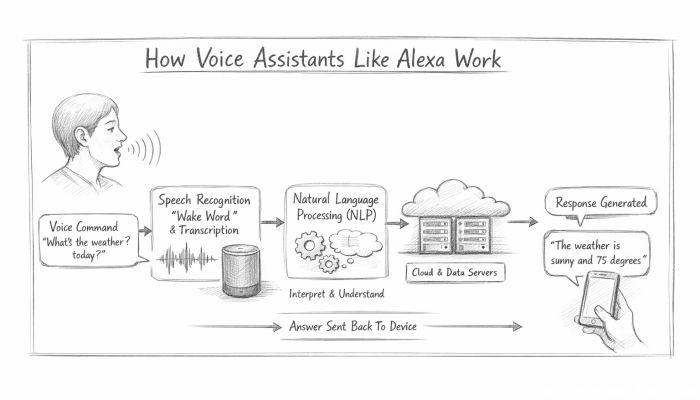 How Voice Assistants Like Alexa Work
 Federated Learning: AI Without Sharing Data