The Role of Gamification in Online Learning Platforms
Online learning has transformed education, making knowledge more accessible than ever before. Yet with this flexibility comes a challenge that educators and platforms continue to wrestle with: engagement. Without the physical presence of a classroom, many learners struggle with motivation, focus, and consistency. This is where gamification enters the picture—not as a gimmick, but as a powerful psychological and educational strategy.
The role of gamification in online learning platforms goes far beyond adding points or badges. When designed thoughtfully, gamification taps into human motivation, curiosity, and the natural desire to progress and achieve. It transforms passive content consumption into active participation. In this article, we’ll explore how gamification works, why it’s so effective, and how it reshapes the learning experience. From boosting engagement to supporting long-term retention, gamification is redefining how learners interact with digital education—and why they keep coming back.
- What Is Gamification in Online Learning?
- Why Motivation Is a Major Challenge in Online Learning
- How Gamification Taps Into Human Psychology
- Making Learning Feel Less Intimidating
- Encouraging Active Participation Instead of Passive Consumption
- Personalization Through Gamified Learning Paths
- The Role of Feedback and Instant Rewards
- Social Interaction and Healthy Competition
- Supporting Long-Term Learning and Retention
- Gamification and Skill-Based Learning
- The Risks of Poorly Designed Gamification
- The Future of Gamification in Online Education
- Conclusion: When Learning Feels Meaningful, Motivation Follows
- More Related Topics
What Is Gamification in Online Learning?
Gamification in online learning refers to the integration of game-like elements into educational platforms to motivate and engage learners. These elements can include points, levels, challenges, leaderboards, rewards, and progress tracking.
Importantly, gamification is not about turning education into a game—it’s about borrowing the motivational mechanics of games and applying them to learning contexts. When used correctly, it enhances focus, persistence, and enjoyment without compromising educational depth.

Why Motivation Is a Major Challenge in Online Learning
Unlike traditional classrooms, online learning often lacks real-time interaction, accountability, and social presence. Learners are responsible for managing their own time and motivation.
This independence can be empowering—but also overwhelming. Gamification addresses this gap by providing structure, feedback, and a sense of achievement. It gives learners reasons to return, progress, and stay committed even when learning feels difficult.
How Gamification Taps Into Human Psychology
Gamification works because it aligns with fundamental human motivations. People are naturally driven by goals, progress, recognition, and a sense of mastery.
Earning points or completing levels triggers dopamine responses associated with accomplishment. Visual progress indicators reassure learners that their effort matters. These psychological rewards make learning feel satisfying rather than exhausting, encouraging consistent participation.
Making Learning Feel Less Intimidating
One of the most powerful effects of gamification is how it reduces fear and resistance. Large or complex topics can feel overwhelming, especially for beginners.
Breaking content into levels, quests, or milestones makes learning feel manageable. Learners focus on completing the next step rather than worrying about the entire course. This incremental progress builds confidence and lowers anxiety.
Encouraging Active Participation Instead of Passive Consumption
Traditional online courses often rely on videos and readings, which can lead to passive learning. Gamification shifts learners from observers to participants.
Interactive quizzes, challenges, and simulations require learners to apply knowledge rather than simply absorb it. This active engagement deepens understanding and improves retention, making learning more effective and memorable.
Personalization Through Gamified Learning Paths
Modern online learning platforms use gamification to personalize the learning experience. Learners can progress at their own pace, unlock content based on performance, or choose different paths depending on their interests.
This sense of control increases intrinsic motivation. When learners feel that the experience adapts to them—not the other way around—they’re more likely to stay engaged and invested.
The Role of Feedback and Instant Rewards
Immediate feedback is essential for effective learning. Gamification excels in this area by providing instant responses to actions.
Points, badges, or visual cues signal progress and highlight areas for improvement. This rapid feedback loop helps learners adjust strategies quickly and reinforces positive behaviors without waiting for formal assessments.
Social Interaction and Healthy Competition
Gamification often includes social elements such as leaderboards, team challenges, or collaborative goals. These features create a sense of community in otherwise isolated online environments.
Healthy competition can motivate learners to push themselves, while collaboration fosters connection and peer learning. When designed inclusively, social gamification enhances motivation without creating pressure or exclusion.
Supporting Long-Term Learning and Retention
Engagement is not just about keeping learners entertained—it’s about helping them remember and apply what they learn.
Gamified repetition, challenges, and spaced learning activities reinforce key concepts over time. By revisiting material in different formats, learners build stronger mental connections and retain information longer.
Gamification and Skill-Based Learning
Gamification is particularly effective for skill-based learning such as coding, language acquisition, or professional training. Skills improve through practice, feedback, and repetition—all core elements of gamified systems.
Progress bars, achievement levels, and performance tracking make improvement visible. Learners can see how far they’ve come, which reinforces persistence and builds confidence in real-world application.
The Risks of Poorly Designed Gamification
While gamification offers many benefits, poor design can backfire. Overemphasis on rewards may shift focus away from meaningful learning toward point-chasing.
If gamification feels forced, unfair, or distracting, learners may disengage. The key is alignment—game elements should support learning objectives, not overshadow them. Purposeful design matters more than flashy features.
The Future of Gamification in Online Education
As technology evolves, gamification is becoming more sophisticated. Adaptive systems, immersive simulations, and AI-driven personalization are shaping the next generation of online learning platforms.
The future of gamification lies in balance—combining motivation, empathy, and educational integrity. When done right, gamification won’t feel like a layer added to learning—it will feel like a natural part of how learning works.
Conclusion: When Learning Feels Meaningful, Motivation Follows
The role of gamification in online learning platforms is not about making education easier—it’s about making it more human. By tapping into motivation, curiosity, and progress, gamification helps learners stay engaged in environments where isolation and fatigue often lead to dropout.
When thoughtfully designed, gamification transforms online learning from a solitary task into a rewarding journey. It encourages persistence, supports diverse learning styles, and reminds learners that growth is built step by step. The true power of gamification lies not in points or badges, but in how it makes learning feel achievable, purposeful, and even enjoyable.
As online education continues to expand, gamification will remain a vital tool—not as entertainment, but as a bridge between effort and engagement, knowledge and motivation, learning and lasting impact.
 Big O Notation Explained for Beginners
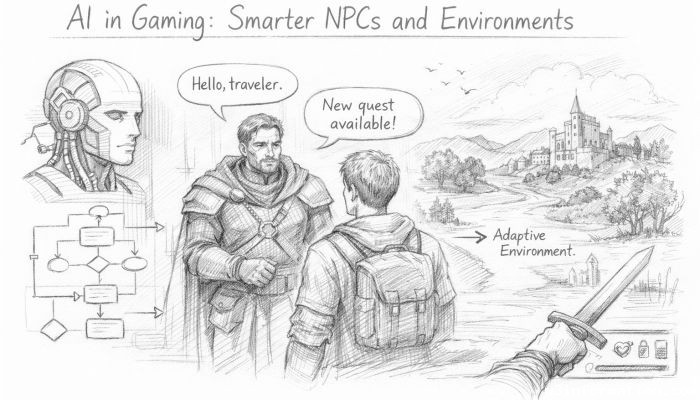 AI in Gaming: Smarter NPCs and Environments
 Understanding Bias in AI Algorithms
 Introduction to Chatbots and Conversational AI
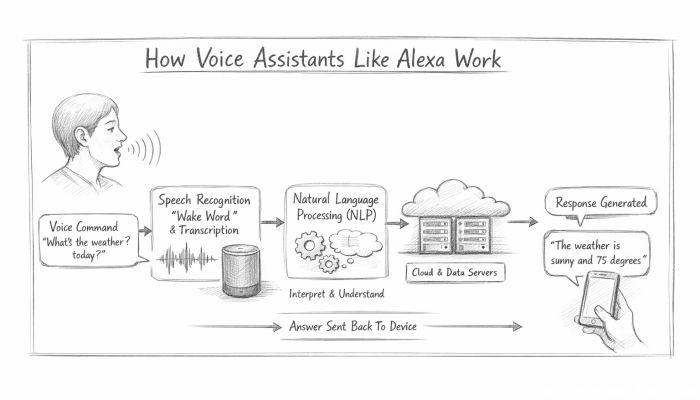 How Voice Assistants Like Alexa Work
 Federated Learning: AI Without Sharing Data