How to Teach Coding to Young Kids
Teaching coding to young kids can feel intimidating at first—especially if you didn’t grow up learning it yourself. Many adults imagine coding as complex lines of text, confusing symbols, and rigid logic that feels far removed from childhood creativity. But in reality, coding for young kids is not about writing perfect programs or memorizing syntax. It’s about nurturing curiosity, problem-solving, and confidence in thinking.
When introduced the right way, coding becomes a playful language—one that allows kids to create stories, games, animations, and solutions using logic and imagination. Learning how to teach coding to young kids means meeting them where they are developmentally, making learning fun, and focusing on thinking skills rather than technical perfection. This guide will walk you through practical, age-appropriate, and engaging ways to introduce coding to children—whether you’re a parent, teacher, or caregiver—so coding becomes a joyful foundation for lifelong learning.
- Why Teaching Coding Early Matters
- Shift the Goal: Coding Is About Thinking, Not Typing
- Start With Unplugged Coding Activities
- Use Visual and Block-Based Coding Tools
- Make Coding Feel Like Play, Not a Lesson
- Teach Coding Through Storytelling and Creativity
- Introduce Concepts Gradually and Repeatedly
- Encourage Mistakes and Debugging as Learning
- Adapt Coding Lessons to Different Ages and Learning Styles
- Be a Guide, Not the Expert
- Balance Screen Time With Reflection and Discussion
- Connect Coding to Real Life
- Conclusion: Teaching Coding Is Teaching Confidence
- More Related Topics
Why Teaching Coding Early Matters
Young children are natural problem-solvers. They ask questions, experiment, and learn through trial and error—exactly the mindset coding requires.
Teaching coding early helps kids develop logical thinking, creativity, resilience, and confidence. It also teaches them that technology is something they can create, not just consume. Coding becomes a tool for expression rather than a barrier, empowering kids to shape the digital world instead of being passive users of it.

Shift the Goal: Coding Is About Thinking, Not Typing
One of the biggest mistakes adults make is assuming coding is about typing code correctly. For young kids, coding is about sequencing, patterns, cause-and-effect, and problem-solving.
Focus on how kids think through challenges rather than whether they get the “right” answer. The goal is to help them break problems into steps, test ideas, and learn from mistakes. These thinking skills matter far more than syntax at an early age.
Start With Unplugged Coding Activities
You don’t need screens to teach coding concepts. Unplugged activities introduce core ideas in a playful, accessible way.
Games like giving step-by-step directions, creating obstacle courses, or acting out instructions help kids understand sequencing and logic. These activities build a strong foundation and reduce screen fatigue—especially important for younger children.
Use Visual and Block-Based Coding Tools
For young kids, visual coding tools are far more effective than text-based programming. Block-based coding allows children to drag and drop colorful blocks instead of typing commands.
These tools remove frustration and let kids focus on logic and creativity. Visual feedback—like characters moving or sounds playing—keeps kids engaged and motivated to experiment.
Make Coding Feel Like Play, Not a Lesson
Kids learn best when they’re having fun. If coding feels like homework, engagement drops quickly.
Turn coding into a game: let kids create animations, tell stories, or design simple games. Celebrate exploration rather than correctness. When kids associate coding with play and imagination, they develop a positive relationship with learning that lasts.
Teach Coding Through Storytelling and Creativity
Coding doesn’t have to be technical—it can be narrative. Encourage kids to create stories where characters follow instructions or make decisions.
Story-based coding taps into children’s natural love for storytelling. It helps them understand logic flow while expressing emotions, humor, and imagination. Coding becomes another creative language alongside drawing or writing.
Introduce Concepts Gradually and Repeatedly
Young kids learn through repetition and reinforcement. Introduce one concept at a time—like sequences, loops, or conditions—and revisit it often.
Avoid overwhelming children with too many ideas at once. Mastery grows through small wins and repeated exposure. Each new concept should feel like a natural extension of what they already understand.
Encourage Mistakes and Debugging as Learning
Mistakes are not failures in coding—they are part of the process. Teaching kids to debug helps build resilience and problem-solving skills.
Normalize errors by talking through them calmly. Ask questions like, “What do you think happened?” or “What could we try next?” This approach teaches kids that challenges are opportunities to learn, not reasons to quit.
Adapt Coding Lessons to Different Ages and Learning Styles
Not all kids learn the same way or at the same pace. Some may love visuals, others storytelling, and some hands-on challenges.
Adjust activities to suit attention spans and interests. Short, engaging sessions work better than long lessons. Flexibility keeps kids confident and prevents frustration or boredom.
Be a Guide, Not the Expert
You don’t need to be a coding expert to teach kids. In fact, learning alongside them can be incredibly powerful.
Model curiosity by saying, “Let’s figure this out together.” This shows kids that learning is ongoing and that it’s okay not to have all the answers. Your attitude matters more than your technical knowledge.
Balance Screen Time With Reflection and Discussion
While coding tools are digital, learning shouldn’t happen only on screens. Talk about what kids created and why it worked.
Ask them to explain their thinking. Reflection deepens understanding and builds communication skills. It also helps kids feel proud of their creations, reinforcing confidence and motivation.
Connect Coding to Real Life
Help kids see that coding isn’t just for computers—it’s part of everyday life. Traffic lights, games, appliances, and apps all follow instructions and logic.
Making real-world connections helps coding feel relevant and exciting. Kids begin to understand that coding is a way to understand and shape the world around them.
 Big O Notation Explained for Beginners
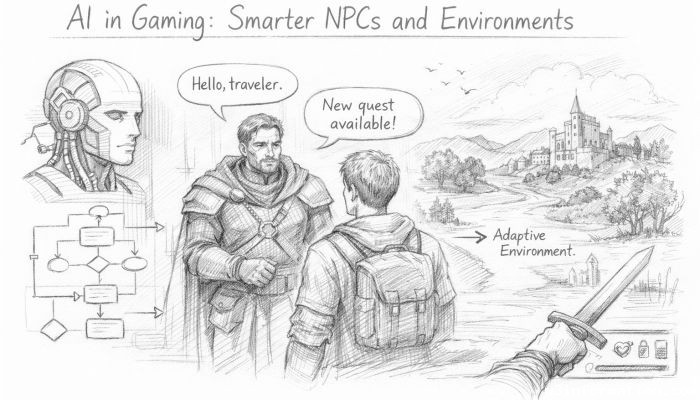 AI in Gaming: Smarter NPCs and Environments
 Understanding Bias in AI Algorithms
 Introduction to Chatbots and Conversational AI
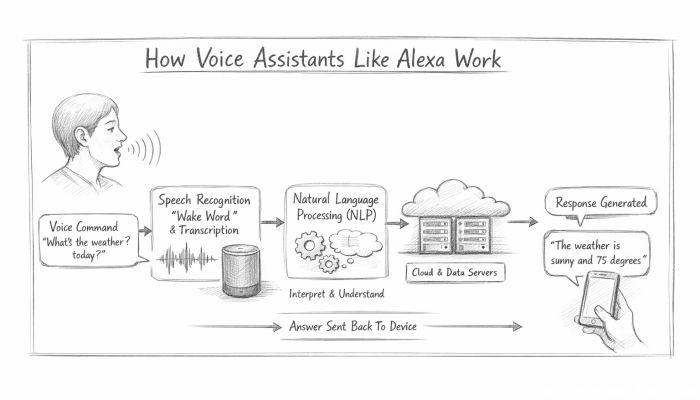 How Voice Assistants Like Alexa Work
 Federated Learning: AI Without Sharing Data