How to Use Project-Based Learning to Inspire Students
Imagine a classroom where students are genuinely curious, deeply engaged, and excited to learn—not because they’re chasing grades, but because they’re solving real problems that matter to them. This is the promise of Project-Based Learning (PBL). In a world where information is instantly accessible and careers demand creativity, collaboration, and critical thinking, traditional lecture-based teaching often falls short. Students don’t just need knowledge; they need context, purpose, and ownership of their learning. Project-Based Learning offers exactly that. By placing students at the center of meaningful projects, PBL transforms learning from passive absorption into active discovery. In this article, we’ll explore how to use Project-Based Learning to inspire students, breaking down practical strategies, benefits, challenges, and real-world applications. Whether you’re an educator, school leader, or curriculum designer, this guide will help you harness PBL to spark curiosity, deepen understanding, and create lasting impact in the classroom.
- What Is Project-Based Learning?
- Why Project-Based Learning Inspires Students
- Shifting the Teacher’s Role: From Lecturer to Facilitator
- Designing Meaningful Driving Questions
- Connecting Projects to Real-World Problems
- Encouraging Student Voice and Choice
- Building Collaboration and Teamwork Skills
- Integrating Multiple Subjects Through Projects
- Using Technology to Enhance Project-Based Learning
- Assessment in Project-Based Learning
- Supporting Struggling Students in PBL
- Overcoming Common Challenges of Project-Based Learning
- Conclusion
- More Related Topics
What Is Project-Based Learning?
Project-Based Learning is an instructional approach where students gain knowledge and skills by working over an extended period to investigate and respond to a complex question, problem, or challenge. Unlike traditional assignments, PBL focuses on inquiry, creativity, and real-world relevance. Students don’t just complete tasks—they explore, design, test, revise, and present solutions. Learning becomes a process, not just an outcome.

Why Project-Based Learning Inspires Students
PBL inspires students because it gives learning meaning. When students understand why they are learning something and how it applies beyond the classroom, motivation naturally increases. Projects encourage autonomy, voice, and choice—three powerful drivers of engagement. Instead of asking, “Will this be on the test?” students begin asking, “How can I make this better?”
Shifting the Teacher’s Role: From Lecturer to Facilitator
In Project-Based Learning, the teacher is no longer the sole source of knowledge. Instead, educators act as facilitators, guides, and mentors. This shift empowers students to take responsibility for their learning while teachers support inquiry, provide feedback, and help students reflect. The classroom becomes a collaborative environment where learning is co-created rather than delivered.
Designing Meaningful Driving Questions
At the heart of every strong PBL experience is a compelling driving question. This question should be open-ended, challenging, and connected to real-world issues. A good driving question sparks curiosity and invites multiple solutions. Instead of asking for memorized answers, it pushes students to research, analyze, and think critically about complex ideas.
Connecting Projects to Real-World Problems
Students are more inspired when they see that their work matters beyond the classroom. Real-world connections—such as community issues, environmental challenges, or social problems—make learning authentic. When students design solutions for real audiences, their sense of purpose increases, and learning becomes emotionally meaningful.
Encouraging Student Voice and Choice
One of the most powerful aspects of PBL is giving students choices. Allowing students to select topics, roles, tools, or final products increases ownership and motivation. When students feel heard and trusted, they invest more deeply in their work. Choice also supports diverse interests and learning styles within the same classroom.
Building Collaboration and Teamwork Skills
Most real-world work happens in teams, and PBL mirrors this reality. Group projects teach students how to communicate, resolve conflict, delegate tasks, and collaborate effectively. These social and emotional skills are just as important as academic knowledge and are best learned through experience rather than instruction alone.
Integrating Multiple Subjects Through Projects
Project-Based Learning naturally supports interdisciplinary learning. A single project can combine math, science, language arts, social studies, and technology. This integrated approach helps students see how knowledge connects across subjects, making learning more coherent and less fragmented.
Using Technology to Enhance Project-Based Learning
Technology can significantly enhance PBL by enabling research, collaboration, creation, and presentation. Tools like digital presentations, video editing, simulations, and online collaboration platforms allow students to express ideas creatively and professionally. When used thoughtfully, technology amplifies learning rather than distracting from it.
Assessment in Project-Based Learning
Assessment in PBL goes beyond traditional tests. It includes formative feedback, peer review, self-reflection, and evaluation of both process and product. Rubrics aligned with learning goals help students understand expectations while encouraging growth. Assessment becomes a learning tool rather than a judgment.
Supporting Struggling Students in PBL
Some students may initially feel overwhelmed by open-ended projects. Clear scaffolding, checkpoints, and guidance are essential. Breaking projects into manageable phases and providing regular feedback ensures that all students can succeed. PBL works best when support is proactive, not reactive.
Overcoming Common Challenges of Project-Based Learning
Implementing PBL isn’t without challenges—time constraints, curriculum alignment, and classroom management are common concerns. However, these challenges can be addressed through careful planning, collaboration with colleagues, and starting small. Even short, well-designed projects can have a big impact.
Conclusion
Project-Based Learning has the power to transform classrooms into spaces of curiosity, collaboration, and purpose. By focusing on meaningful questions, real-world connections, student voice, and reflective assessment, educators can inspire students to take ownership of their learning. PBL doesn’t just teach content—it builds skills, confidence, and a lifelong love of learning. When students are given the opportunity to explore, create, and solve problems that matter, education becomes more than a requirement—it becomes an experience. And that is where true inspiration begins.
 Big O Notation Explained for Beginners
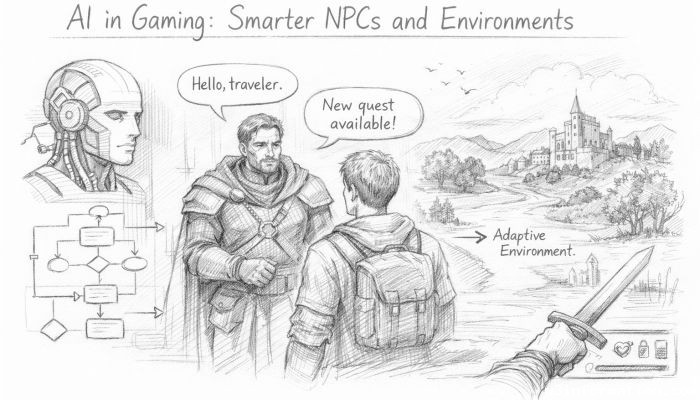 AI in Gaming: Smarter NPCs and Environments
 Understanding Bias in AI Algorithms
 Introduction to Chatbots and Conversational AI
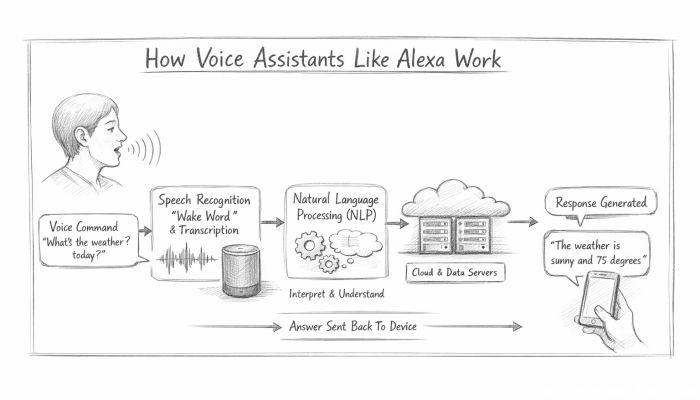 How Voice Assistants Like Alexa Work
 Federated Learning: AI Without Sharing Data