Understanding the Ethics of Artificial Intelligence
Artificial intelligence is no longer a distant concept reserved for science fiction—it’s woven into our daily lives. From recommendation algorithms and virtual assistants to facial recognition and automated decision-making, AI systems quietly influence what we see, buy, learn, and even how we’re evaluated. With this growing presence comes a deeper question: just because we can build intelligent systems, does that mean we should use them without limits?
Understanding the ethics of artificial intelligence is about more than technology—it’s about people, power, responsibility, and values. Ethical AI asks us to examine who benefits, who might be harmed, and who gets to decide how these systems operate. This article explores the moral challenges surrounding AI in a clear, human-centered way. By unpacking fairness, accountability, transparency, and societal impact, we can better understand how to shape AI that serves humanity rather than quietly reshaping it without consent.
- What Do We Mean by “Ethics” in Artificial Intelligence?
- Why AI Ethics Matters More Than Ever
- Bias in AI: When Machines Inherit Human Prejudice
- Transparency and the “Black Box” Problem
- Accountability: Who Is Responsible When AI Fails?
- Privacy and Surveillance in the Age of AI
- AI in Decision-Making: Efficiency vs Humanity
- The Impact of AI on Jobs and Economic Inequality
- AI and Power: Who Controls the Technology?
- Cultural and Global Perspectives on AI Ethics
- Can AI Itself Be Moral?
- Building Ethical AI: Principles for the Future
- Conclusion: Ethics Is the Heart of Responsible AI
- More Related Topics
What Do We Mean by “Ethics” in Artificial Intelligence?
Ethics in artificial intelligence refers to the moral principles that guide how AI systems are designed, developed, and used. It’s not just about preventing extreme harm—it’s about everyday decisions that affect real people.
Ethical AI considers questions like: Is this system fair? Does it respect human dignity? Who is responsible when something goes wrong? Ethics brings human values into technical decisions, reminding us that AI is not neutral—it reflects the choices and assumptions of its creators.

Why AI Ethics Matters More Than Ever
As AI systems scale, their impact multiplies. A biased algorithm doesn’t affect just one person—it can affect millions. Automated systems now influence hiring, lending, healthcare, law enforcement, and education.
When decisions are delegated to machines, mistakes become harder to see and challenge. Ethics matters because unchecked AI can reinforce inequality, remove human oversight, and normalize harmful outcomes simply because they’re efficient. Ethical thinking ensures progress doesn’t come at the cost of justice or trust.
Bias in AI: When Machines Inherit Human Prejudice
One of the most discussed ethical issues in AI is bias. AI systems learn from data—and data often reflects historical inequalities and societal prejudices.
When biased data trains AI, the system can discriminate based on race, gender, age, or socioeconomic status, even without explicit intent. Ethical AI requires acknowledging that bias isn’t a technical glitch—it’s a social problem encoded into systems unless actively addressed.
Transparency and the “Black Box” Problem
Many AI systems operate as “black boxes,” meaning their decision-making processes are difficult—or impossible—to understand. This lack of transparency creates ethical concerns, especially when AI affects people’s lives.
If someone is denied a loan, rejected from a job, or flagged as a risk, they deserve to know why. Ethical AI promotes explainability, ensuring systems can be understood, questioned, and improved rather than blindly trusted.
Accountability: Who Is Responsible When AI Fails?
When AI systems make harmful decisions, accountability becomes unclear. Is the developer responsible? The company deploying it? The data provider?
Ethical frameworks emphasize that responsibility must always rest with humans. AI should assist decision-making—not replace moral accountability. Clear lines of responsibility are essential to prevent harm from being dismissed as “just what the system decided.”
Privacy and Surveillance in the Age of AI
AI thrives on data, but collecting and analyzing vast amounts of personal information raises serious privacy concerns. Facial recognition, location tracking, and predictive analytics can easily cross ethical boundaries.
The ethical challenge lies in balancing innovation with consent and dignity. Just because data can be collected doesn’t mean it should be used without clear purpose, safeguards, and respect for individual rights.
AI in Decision-Making: Efficiency vs Humanity
AI is often praised for efficiency, consistency, and speed. But ethical questions arise when efficiency replaces human judgment entirely.
In areas like healthcare, criminal justice, or social services, decisions involve nuance, empathy, and context. Ethical AI supports human decision-makers rather than eliminating them, ensuring technology enhances—not erodes—human values.
The Impact of AI on Jobs and Economic Inequality
Automation driven by AI has the potential to increase productivity—but it also threatens job displacement and economic imbalance. While some roles are created, others disappear.
Ethical AI considers how benefits and burdens are distributed. Societies must address retraining, education, and economic safety nets so technological progress doesn’t widen inequality or leave large populations behind.
AI and Power: Who Controls the Technology?
AI development is often concentrated in the hands of a few corporations or governments with access to massive data and computing resources. This concentration of power raises ethical concerns.
When a small group controls influential technology, transparency and democratic oversight become critical. Ethical AI calls for inclusive governance, diverse voices, and global cooperation to prevent misuse or exploitation.
Cultural and Global Perspectives on AI Ethics
Ethics is not universal—different cultures value privacy, authority, and individual rights differently. A one-size-fits-all approach to AI ethics can overlook important cultural contexts.
Ethical AI must be globally informed and locally sensitive. Including diverse perspectives ensures AI systems respect different values and avoid imposing narrow worldviews through technology.
Can AI Itself Be Moral?
Some researchers explore whether AI can make ethical decisions independently. But AI does not possess consciousness, empathy, or moral understanding—it follows programmed objectives.
Ethics cannot be automated. Moral responsibility always lies with humans. AI can support ethical outcomes, but it cannot replace human judgment, reflection, or accountability.
Building Ethical AI: Principles for the Future
Creating ethical AI requires intentional design and continuous oversight. Core principles often include fairness, transparency, accountability, privacy, and human-centered design.
Ethical AI is not a one-time checklist—it’s an ongoing commitment. It evolves as technology advances and societal values change. The goal is not perfect systems, but responsible ones that adapt thoughtfully.
Conclusion: Ethics Is the Heart of Responsible AI
Understanding the ethics of artificial intelligence is ultimately about understanding ourselves. AI reflects human priorities, assumptions, and power structures. Without ethical guidance, it risks amplifying our worst tendencies instead of our best intentions.
Ethical AI doesn’t slow progress—it gives it direction. It asks us to pause, reflect, and choose wisely before technology reshapes lives in irreversible ways. As AI becomes more powerful, our responsibility grows alongside it. The future of artificial intelligence will not be defined solely by what machines can do—but by what humans decide they should do. And that choice belongs to all of us. 🤖⚖️
 Big O Notation Explained for Beginners
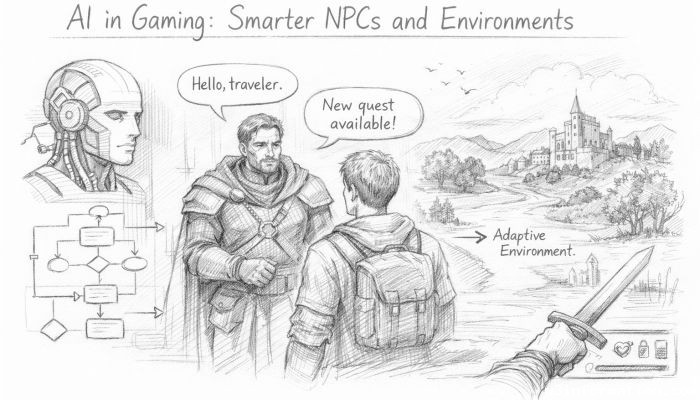 AI in Gaming: Smarter NPCs and Environments
 Understanding Bias in AI Algorithms
 Introduction to Chatbots and Conversational AI
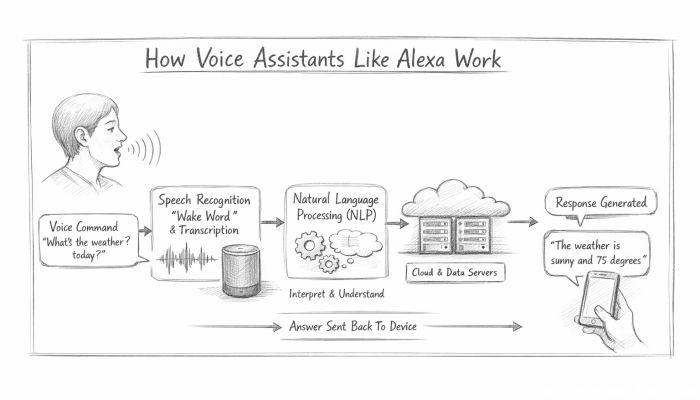 How Voice Assistants Like Alexa Work
 Federated Learning: AI Without Sharing Data