How to Create a Positive Learning Environment at Home
In today’s fast-paced world, where remote learning and homeschooling have become increasingly common, creating a positive learning environment at home is more essential than ever. A thoughtfully designed learning space at home can profoundly impact a child’s motivation, focus, and overall academic success. But it’s not just about physical setup; the emotional and psychological atmosphere plays a crucial role in fostering curiosity and resilience in young learners. This article delves into practical strategies and insights that parents and caregivers can use to cultivate a nurturing, effective, and encouraging learning environment at home, tailored to children’s diverse needs and learning styles.
- Understanding the Importance of a Positive Learning Environment
- Designing a Dedicated Learning Space
- Establishing Consistent Routines and Schedules
- Encouraging Open Communication and Emotional Support
- Providing Varied Learning Materials and Resources
- Emphasizing Growth Mindset and the Value of Effort
- Minimizing Distractions and Managing Technology Use
- Incorporating Physical Activity and Breaks
- Promoting Collaborative Learning and Social Interaction
- Setting Realistic Expectations and Being Patient
- Encouraging Healthy Sleep and Nutrition Habits
- Utilizing Positive Reinforcement and Rewards
- Continuous Parental Involvement and Flexibility
- Conclusion
- More Related Topics
Understanding the Importance of a Positive Learning Environment
A positive learning environment extends beyond desks and books; it is a dynamic space that stimulates engagement, creativity, and growth. Research indicates that children who feel safe, supported, and motivated at home perform better academically and develop stronger social and emotional skills. When children associate learning with positivity and encouragement, their natural curiosity flourishes, leading to sustained enthusiasm for knowledge acquisition. A well-rounded learning setting can mitigate difficulties related to distractions, frustration, and lack of motivation, making it a foundation for lifelong learning success.

Designing a Dedicated Learning Space
The physical environment is the first step in setting a positive tone for learning at home. Designating a specific area exclusively for studying helps children mentally differentiate between playtime and work time, enhancing focus. This space should be quiet, clutter-free, and well-lit with natural or artificial lighting that reduces eye strain. Ergonomic furniture tailored to the child’s size encourages comfort during extended study sessions. Personal touches like motivational posters, a clock, and easy access to supplies can make the area inviting and conducive to concentration.
Establishing Consistent Routines and Schedules
Consistency is key when it comes to sustaining productive learning habits. Establishing a daily schedule that includes regular start times, breaks, and time for physical activity helps structure the day and reduces procrastination. A predictable routine can lower anxiety by setting clear expectations and boundaries. Parents should work with their children to incorporate flexibility for creative projects or interests, ensuring that the routine remains balanced rather than rigid. Using planners or digital calendars can aid in visualizing and maintaining these schedules.
Encouraging Open Communication and Emotional Support
A positive learning environment at home thrives on open dialogue between parents and children. Encouraging children to express their feelings, questions, and concerns creates an atmosphere of trust and empathy. Rather than responding with criticism, parents should listen actively and validate emotions, helping children navigate frustration or confusion constructively. This supportive communication style enhances self-esteem and resilience, essential qualities when facing academic challenges.
Providing Varied Learning Materials and Resources
Diversity in learning materials caters to different learning styles and keeps sessions engaging. Beyond textbooks, include interactive tools such as educational games, videos, art supplies, and hands-on experiments. Access to digital resources like e-books, online courses, and educational apps supports a broader range of topics and approaches. Allowing children to choose some of their own materials can empower them to take charge of their learning, fostering independence and self-motivation.
Emphasizing Growth Mindset and the Value of Effort
Cultivating a growth mindset—the belief that intelligence and abilities can develop through effort—is central to creating a positive learning environment. Parents can model this attitude by praising persistence over innate talent and framing mistakes as valuable learning opportunities. Encouraging children to set achievable goals and recognize incremental progress builds confidence and reduces fear of failure. Celebrations of small successes reinforce motivation and a lifelong love of learning.
Minimizing Distractions and Managing Technology Use
While technology offers numerous educational benefits, it can also present distractions if not managed mindfully. A learning area free from televisions, unnecessary devices, and noisy environments helps children maintain attention on tasks. Setting clear guidelines around the use of smartphones, social media, and gaming during study time aids focus. Utilizing apps and software that limit screen time or block distracting websites during lessons can further support self-discipline.
Incorporating Physical Activity and Breaks
The brain requires periodic breaks and physical movement to sustain high levels of concentration and creativity. Incorporating short breaks every 30–45 minutes provides children with the chance to stretch, hydrate, and reset their focus. Activities like yoga, quick walks, or dancing inject energy and improve mood. Physical exercise also stimulates cognitive functions such as memory and problem-solving, enriching the overall learning experience.
Promoting Collaborative Learning and Social Interaction
Learning at home does not have to be solitary. Encouraging group study sessions with siblings, friends, or virtual classmates nurtures social skills and collaborative problem-solving. Sharing ideas in discussions or working together on projects enhances understanding and motivation. Parents can facilitate this by organizing regular group activities or online meet-ups, combining learning with social engagement to enrich children’s emotional well-being.
Setting Realistic Expectations and Being Patient
Every child learns at their own pace, and maintaining realistic academic expectations avoids unnecessary pressure. Parents should recognize individual strengths and weaknesses without comparison to others. Celebrating effort over perfection cultivates a stress-free environment conducive to growth. Patience during challenging moments demonstrates support and reinforces that learning is a journey, not just a destination.
Encouraging Healthy Sleep and Nutrition Habits
A positive learning environment encompasses holistic well-being, including physical health factors that affect cognitive performance. Ensuring children maintain consistent, sufficient sleep schedules boosts memory, concentration, and mood. Balanced nutrition with brain-healthy foods like fruits, vegetables, whole grains, and proteins supports energy levels and cognitive function. Parents can involve children in meal planning and sleep routines to promote ownership and awareness.
Utilizing Positive Reinforcement and Rewards
Positive reinforcement is an effective strategy to motivate and guide behavior. Instead of punitive measures, recognizing achievements—no matter how small—via praise, stickers, or extra playtime bolsters self-esteem and encourages repetition of desired behaviors. Rewards should align with the child’s interests and be used thoughtfully to maintain intrinsic motivation rather than reliance on material incentives.
Continuous Parental Involvement and Flexibility
Finally, parental involvement sets the tone for a positive learning environment. Active engagement in lessons, showing genuine interest in academic progress, and collaborating with educators ensures support systems are aligned and responsive. Being flexible and willing to adapt strategies based on what works best for the child allows continual improvement in the learning experience. Open-mindedness from parents creates a supportive atmosphere where children feel understood and encouraged.
Conclusion
Creating a positive learning environment at home is a multifaceted endeavor that combines thoughtful physical organization, emotional support, and intentional routines. It demands a holistic approach that nurtures the mind, body, and spirit, celebrating growth and resilience. By designing dedicated learning spaces, fostering open communication, encouraging diverse resources, and emphasizing patience and positivity, parents lay a foundation for lifelong enthusiasm and success in learning. As every child is unique, the key lies in flexibility and empathy, ensuring that home becomes not just a site of study, but a vibrant, encouraging place where curiosity and confidence flourish. This nurturing environment empowers children to meet academic challenges with joy and resilience, ready to thrive in a rapidly evolving world.
 Big O Notation Explained for Beginners
 AI in Gaming: Smarter NPCs and Environments
 Understanding Bias in AI Algorithms
 Introduction to Chatbots and Conversational AI
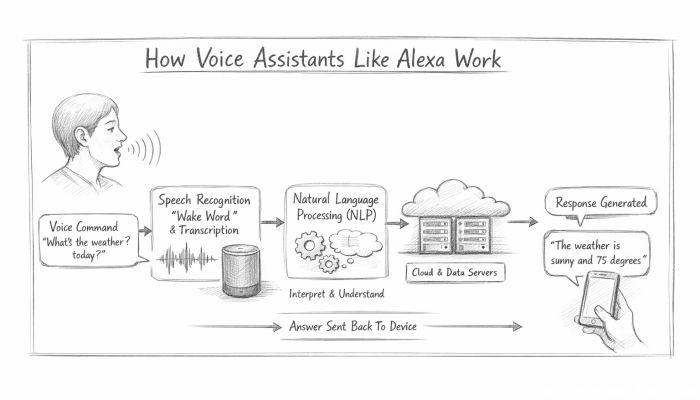 How Voice Assistants Like Alexa Work
 Federated Learning: AI Without Sharing Data