The Best Resources for Teaching Special Education Students
Teaching special education students is a rewarding and challenging endeavor that requires dedication, creativity, and a deep understanding of diverse learning needs. Educators must tailor their approaches to support students with disabilities, learning differences, and developmental challenges effectively. The availability and quality of resources play a crucial role in shaping the teaching experience and, ultimately, student success. From assistive technologies to specialized curricula, classroom strategies to collaborative tools, a wealth of resources exists to empower teachers and enhance learning outcomes. This article explores the best resources for teaching special education students, offering educators an in-depth guide to the tools, materials, and supports that can make the classroom an inclusive and enriching environment. Whether you are a veteran special education teacher or just beginning your journey, these resources can help you better meet your students' unique needs.
- Assistive Technology: Bridging Learning Gaps
- Specialized Curricula and Lesson Plans
- Visual Supports and Communication Aids
- Professional Development and Online Training
- Behavior Management Tools
- Collaborative Platforms for Communication
- Sensory Integration Resources
- Social Skills Development Programs
- Multisensory Instructional Strategies
- Parent and Family Resources
- Assessment Tools and Progress Monitoring
- Inclusive Classroom Resources
- Conclusion
- More Related Topics
Assistive Technology: Bridging Learning Gaps
Assistive technology (AT) encompasses a wide array of devices and software designed to aid students with disabilities in accessing the curriculum. From screen readers and speech-to-text applications to adaptive keyboards and communication devices, AT can level the playing field. These technologies empower students to overcome barriers related to mobility, communication, reading, and writing. For instance, apps like Proloquo2Go provide nonverbal students with a voice, while software like Kurzweil 3000 supports reading comprehension. Educators should assess individual student needs to select the most appropriate tools, integrating AT seamlessly into daily lessons to maximize inclusion and independence.

Specialized Curricula and Lesson Plans
Special education demands curricula that accommodate varying learning styles and cognitive abilities. A plethora of specialized curricula is available focused on functional skills, life skills, sensory integration, and academic development. Programs like Unique Learning System and News-2-You offer differentiated lesson plans aligned to state standards, making customization straightforward. These curricula often incorporate visual supports, simplified language, and hands-on activities. Using specialized curricula helps teachers deliver meaningful content at the right level of complexity, fostering engagement and comprehension among special education students.
Visual Supports and Communication Aids
Many special education students benefit greatly from visual supports, which enhance understanding and reduce anxiety by clarifying expectations. Tools such as visual schedules, picture exchange communication systems (PECS), and social stories help students predict routines, express themselves, and navigate social situations. Visual aids can be created physically or through digital platforms like Boardmaker. Implementing these supports encourages independence, decreases behavioral challenges, and strengthens communication skills for learners with autism spectrum disorder (ASD), intellectual disabilities, and speech impairments.
Professional Development and Online Training
Teachers who work with special education students must continually update their skills and knowledge. Online training modules, webinars, and workshops provide accessible opportunities to learn about new teaching strategies, legal mandates, behavioral interventions, and cultural competence. Organizations such as the Council for Exceptional Children (CEC) and Understood.org offer high-quality professional development tailored to special education needs. Engaging in ongoing education equips educators with current best practices and fosters confidence in addressing diverse challenges.
Behavior Management Tools
Managing classroom behavior is crucial for creating a safe and conducive learning environment. Positive behavior interventions and supports (PBIS) systems help teachers proactively teach and reinforce expected behaviors. Resources such as token economies, reward charts, and behavior tracking apps enable consistent and individualized behavior management. Additionally, understanding the function of behaviors through tools like functional behavior assessments (FBA) guides the development of effective intervention plans. Well-implemented behavior tools improve student focus, reduce disruptions, and increase instructional time.
Collaborative Platforms for Communication
Effective communication among educators, parents, therapists, and administrators is essential in special education. Collaborative platforms like Google Classroom, Seesaw, and ClassDojo facilitate real-time sharing of student progress, assignments, and notes. These tools enhance transparency and foster a team approach, ensuring everyone is informed and aligned with the student’s goals. Moreover, such platforms enable parent engagement and make scheduling meetings or sharing resources more convenient. Collaborative technology promotes consistency and partnership, which are foundational for student success.
Sensory Integration Resources
Many special education students experience sensory processing challenges that impact their focus and comfort. Sensory integration resources, including fidget tools, weighted blankets, noise-canceling headphones, and sensory-friendly classroom setups, help regulate sensory input. Occupational therapists often recommend specific materials tailored to each student’s sensory profile. Incorporating sensory supports into the classroom environment enables students to remain calm and attentive, enhancing their ability to participate in learning activities fully.
Social Skills Development Programs
Social interaction can be particularly challenging for some special education students, especially those with ASD or social communication disorders. Targeted social skills programs such as Social Thinking, Skillstreaming, and Zones of Regulation provide structured instruction on recognizing emotions, initiating conversations, and managing social situations. These programs utilize role-play, social narratives, and explicit teaching techniques to build essential interpersonal skills. Integrating social skills instruction into the curriculum promotes peer relationships and emotional well-being.
Multisensory Instructional Strategies
Multisensory teaching engages multiple senses simultaneously—sight, hearing, touch, and movement—to reinforce learning and accommodate diverse needs. Techniques like hands-on manipulatives, auditory cues, and kinesthetic activities appeal to various learning strengths and help make abstract concepts tangible. For example, using textured letters to teach phonics or incorporating movement in math lessons supports retention and comprehension. Multisensory instruction aligns with Universal Design for Learning (UDL) principles by providing multiple means of representation and engagement.
Parent and Family Resources
Supporting families of special education students is vital, as they are key partners in their child’s education journey. Resources such as parent training workshops, support groups, and informational websites empower families to advocate effectively and contribute to goal-setting. Platforms like Wrightslaw offer legal information and advocacy tools, while local agencies may provide counseling and respite services. Educators can strengthen home-school connections by proactively sharing resources and maintaining open, empathetic communication.
Assessment Tools and Progress Monitoring
Accurate assessment and progress monitoring allow teachers to tailor instruction and measure student growth. Special education requires tools sensitive to individual abilities, including criterion-referenced tests, portfolios, and observational checklists. Software solutions like EasyIEP and IEP Writer streamline documentation and data collection. Ongoing assessment supports informed decision-making regarding interventions, accommodations, and goals, facilitating responsiveness to evolving student needs.
Inclusive Classroom Resources
Creating an inclusive classroom culture involves more than physical accessibility; it requires materials and strategies that foster belonging and respect. Resources like diverse books featuring characters with disabilities, cooperative learning activities, and peer buddy programs promote empathy and social integration. Teachers can access guides such as “Inclusive Teaching Strategies” to design lessons that celebrate differences and encourage collaboration. An inclusive atmosphere nurtures not only academic success but also social and emotional development for all students.
Conclusion
Teaching special education students demands a rich and varied toolkit of resources, each designed to accommodate unique challenges and harness individual strengths. From cutting-edge assistive technologies and structured curricula to behavior management programs and family supports, the best resources create a responsive and inclusive learning environment. By leveraging these tools thoughtfully, educators can significantly enhance engagement, independence, and achievement for special learners. As the field of special education continues to evolve, ongoing innovation and collaboration will ensure that teachers are equipped to inspire and uplift every student. Empowered with the right resources, special education professionals can make an indelible difference in the lives of their students, fostering growth, confidence, and lifelong success.
 Big O Notation Explained for Beginners
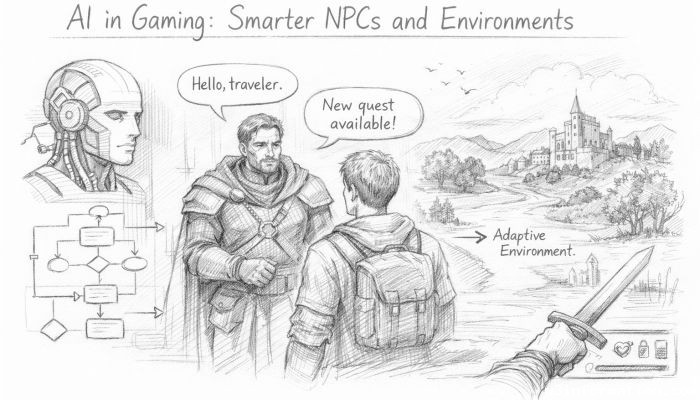 AI in Gaming: Smarter NPCs and Environments
 Understanding Bias in AI Algorithms
 Introduction to Chatbots and Conversational AI
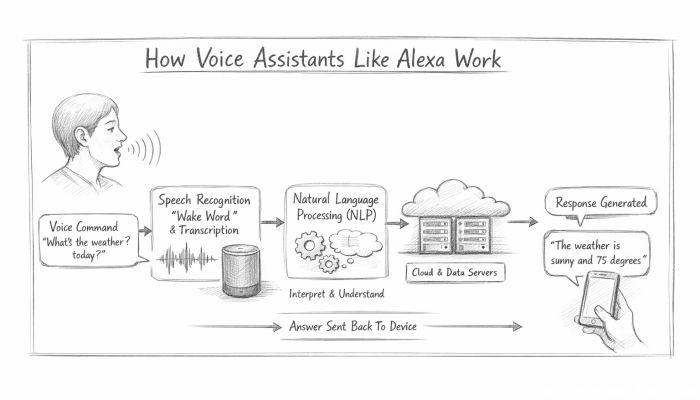 How Voice Assistants Like Alexa Work
 Federated Learning: AI Without Sharing Data