The Best Online Learning Platforms for High School Students
In today's fast-paced and ever-evolving educational landscape, online learning platforms have become indispensable tools for high school students seeking to enhance their knowledge, acquire new skills, and prepare for college and future careers. The digital revolution has transformed how young learners access information, engage with content, and connect with educators across the globe. This article aims to explore the best online learning platforms tailored specifically for high school students, highlighting their unique features, course offerings, and benefits. Whether students are looking for advanced placement courses, STEM enrichment, language learning, or creative pursuits, these platforms ensure accessible, flexible, and high-quality education. By understanding the strengths and offerings of various online learning platforms, students and parents can make informed choices that maximize learning outcomes and fuel academic success.
- Coursera: Access to University-Level Courses
- Khan Academy: Free and Comprehensive Curriculum Support
- edX: Online Courses from Leading Universities
- Udemy: Skill-Based Learning with Flexible Options
- Brilliant: Interactive STEM Learning for Problem Solvers
- Duolingo: Innovative Language Learning for Beginners and Beyond
- Skillshare: Creative Learning for Artistic Students
- Outschool: Live Micro-Classes for Diverse Interests
- MIT OpenCourseWare: College-Level Material for Self-Starters
- National Geographic Learning: Integrated Learning with Real-World Contexts
- Codecademy: Interactive Coding for Beginners and Beyond
- FutureLearn: Collaborative Learning with Global Perspectives
- Conclusion
- More Related Topics
Coursera: Access to University-Level Courses
Coursera is one of the most renowned online learning platforms that offers high school students access to courses from top universities and institutions worldwide. With a diverse range of subjects, including computer science, humanities, and sciences, Coursera bridges the gap between high school curriculum and college-level content. Many courses offer certificates upon completion, which students can add to their resumes or college applications. Additionally, Coursera offers guided projects and peer interactions that foster collaborative learning, critical thinking, and problem-solving skills. The platform’s mobile app also ensures learning continuity outside the traditional classroom.

Khan Academy: Free and Comprehensive Curriculum Support
Khan Academy is a nonprofit platform beloved by students and educators alike for its comprehensive and free educational content. It specializes in core subjects like math, science, history, and economics, aligning closely with many high school curriculums. The use of video lessons, interactive exercises, and personalized dashboards helps students learn at their own pace while tracking progress. Khan Academy also partners with organizations such as the College Board to provide official SAT preparation resources, making it an invaluable tool for students preparing for college entrance exams.
edX: Online Courses from Leading Universities
Similar to Coursera, edX offers a vast catalog of online courses developed by prestigious universities such as Harvard, MIT, and Berkeley. For high school students, edX presents an opportunity to explore advanced topics and gain exposure to college-level academia. The platform includes MicroMasters and Professional Certificate programs that, while often geared toward adult learners, can be highly beneficial for motivated students seeking to jumpstart their higher education journey. edX’s emphasis on rigorous curriculum and peer-reviewed assignments enhances learning depth and quality.
Udemy: Skill-Based Learning with Flexible Options
Udemy caters to learners looking to acquire practical skills that may not always be covered in traditional high school programs. Its extensive course library includes coding, graphic design, music production, and personal development topics. Unlike some platforms with a subscription model, Udemy allows students to purchase courses individually, providing flexibility to choose exactly what interests them. High school students can benefit from affordable rates and frequent discounts, making Udemy a budget-friendly option for enrichment beyond textbook learning.
Brilliant: Interactive STEM Learning for Problem Solvers
Brilliant is distinctly focused on STEM subjects, especially mathematics, physics, and computer science, offering an interactive, problem-solving based approach. Through daily challenges, quizzes, and hands-on problem sets, Brilliant encourages deep conceptual understanding and critical thinking. This approach is particularly useful for high school students who wish to build solid foundations in analytical thinking and prepare for STEM competitions or college STEM courses. Brilliant’s engaging interface and gamified learning make complex topics more accessible and fun.
Duolingo: Innovative Language Learning for Beginners and Beyond
Language acquisition is a vital part of high school education, and Duolingo provides a fun and gamified method to learn languages online. Its bite-sized lessons cover dozens of languages, allowing students to practice vocabulary, grammar, and pronunciation through interactive exercises. The platform’s adaptive technology personalizes difficulty levels to help learners progress efficiently. Duolingo also offers classroom tools to support teachers in tracking student progress, making it a useful supplement to formal language classes.
Skillshare: Creative Learning for Artistic Students
Skillshare is ideal for high school students looking to develop creative and artistic talents. With thousands of classes on photography, illustration, writing, animation, and more, Skillshare emphasizes project-based learning and community feedback. Students can watch video lessons and complete real-world projects, developing portfolios and networking with creatives worldwide. Though it requires a subscription, Skillshare’s broad creative catalog fosters imagination and entrepreneurial skills useful for future academic and career paths.
Outschool: Live Micro-Classes for Diverse Interests
Outschool stands out by offering live, small-group classes taught by vetted educators on an array of subjects that span traditional academics and extracurricular topics. With its interactive Zoom-based sessions, students can learn in real time, participate in discussions, and collaborate with peers, making it a dynamic alternative or complement to conventional schooling. Outschool’s schedule flexibility allows students to explore specialized topics such as robotics, coding, or even niche hobbies, helping them discover and nurture passions outside standard curricula.
MIT OpenCourseWare: College-Level Material for Self-Starters
MIT OpenCourseWare (OCW) provides free, publicly accessible course materials from a range of MIT’s undergraduate and graduate courses. For self-motivated high school students, OCW offers a window into rigorous academic content, especially in STEM fields. Although it doesn’t provide direct interaction with instructors, OCW supplies lecture notes, assignments, and exams that help learners challenge themselves and prepare for university academics. This resource is invaluable for students seeking to deepen their understanding independently.
National Geographic Learning: Integrated Learning with Real-World Contexts
National Geographic Learning offers educational resources that integrate real-world contexts with curriculum standards, making subjects like geography, science, and social studies engaging and relevant. Their interactive e-books, videos, and projects foster critical thinking about global issues and environmental literacy. While primarily targeted at classroom settings, many of their digital resources are adaptable for home use, providing high-quality content that sparks curiosity and global awareness among high school learners.
Codecademy: Interactive Coding for Beginners and Beyond
With the growing importance of computer science, Codecademy provides an excellent platform for high school students to learn programming languages like Python, Java, and HTML/CSS through interactive lessons. The platform’s step-by-step coding environment lets students practice in real-time, building projects that reinforce their skills. Codecademy also offers career paths and skill paths tailored to specific tech roles, giving young learners a clear roadmap to develop expertise and confidence in this vital area.
FutureLearn: Collaborative Learning with Global Perspectives
FutureLearn emphasizes social learning by fostering collaborative courses that encourage discussion and interaction among learners worldwide. Offering a wide range of topics including mental health, literature, and environmental science, FutureLearn’s community-driven approach helps high school students gain diverse perspectives and develop communication skills. Many courses are free to access, with options to upgrade for certificates or extended access, providing flexibility for busy students balancing school and extracurriculars.
Conclusion
The landscape of online learning platforms offers high school students unprecedented opportunities for personalized, flexible, and high-quality education. From comprehensive curriculum support on Khan Academy to university-level rigor on Coursera and edX, and from coding mastery on Codecademy to creative exploration on Skillshare, these platforms cater to diverse learning preferences and academic goals. Innovative tools like Brilliant and Duolingo make challenging subjects approachable, while interactive options such as Outschool and FutureLearn foster community and collaboration. By leveraging these platforms, high school students can not only reinforce classroom learning but cultivate new skills, explore interests, and prepare for future academic and career challenges. As technology continues to evolve, the fusion of education and innovation promises to empower every student to learn on their own terms, anytime and anywhere, transforming potential into success.
 Big O Notation Explained for Beginners
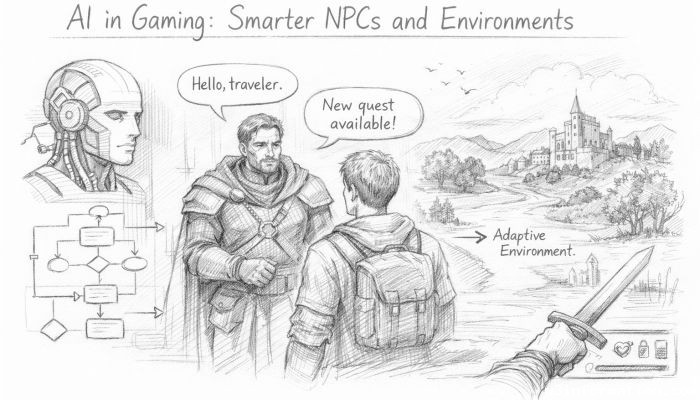 AI in Gaming: Smarter NPCs and Environments
 Understanding Bias in AI Algorithms
 Introduction to Chatbots and Conversational AI
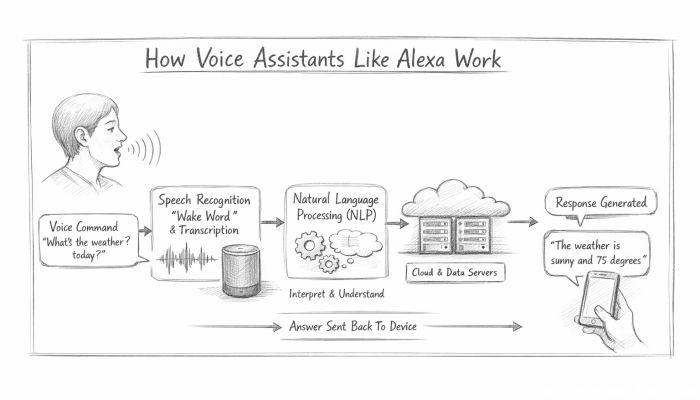 How Voice Assistants Like Alexa Work
 Federated Learning: AI Without Sharing Data