The Importance of Fostering Creativity in Education
In a world that is constantly evolving, the ability to think creatively has become just as important as acquiring knowledge. Education is no longer just about memorizing facts or following instructions—it’s about preparing individuals to adapt, innovate, and solve complex problems. Creativity plays a crucial role in this transformation. It empowers students to think beyond conventional boundaries, explore new ideas, and express themselves confidently. Yet, in many traditional education systems, creativity is often overlooked in favor of standardized learning. This shift is slowly changing as educators and institutions recognize that creativity is not a luxury but a necessity. In this article, we will explore the importance of fostering creativity in education and how it shapes not only academic success but also personal and professional growth.
- Understanding Creativity in the Learning Process
- Why Creativity Matters in Modern Education
- Encouraging Critical Thinking Through Creativity
- Building Confidence and Self-Expression
- Enhancing Problem-Solving Skills
- The Role of Teachers in Fostering Creativity
- Integrating Technology to Support Creativity
- Overcoming Barriers to Creative Learning
- The Impact of Creativity on Academic Performance
- Encouraging Collaboration and Innovation
- Creating a Balanced Education System
- Conclusion
- More Related Topics
Understanding Creativity in the Learning Process
Creativity in education goes beyond art and imagination—it involves critical thinking, problem-solving, and the ability to generate new ideas. It allows students to approach challenges from different perspectives and develop innovative solutions. When creativity is integrated into learning, it transforms the classroom into a dynamic environment where students actively participate rather than passively absorb information.
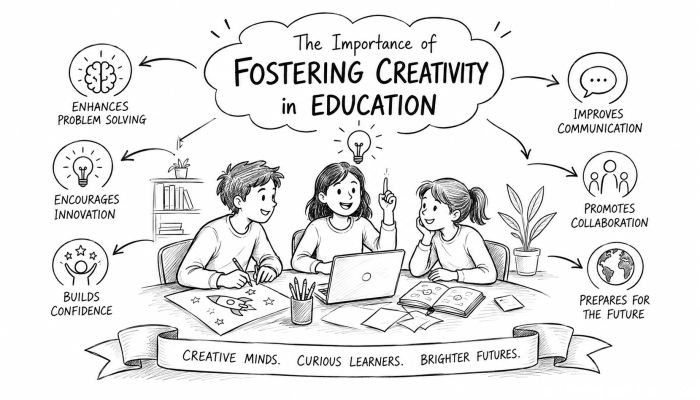
Why Creativity Matters in Modern Education
The demands of the modern world require skills that go beyond traditional academics. Employers value creativity as it drives innovation and adaptability. By fostering creativity in education, students are better prepared to navigate real-world challenges. It helps them become independent thinkers who can contribute meaningfully to society.
Encouraging Critical Thinking Through Creativity
Creativity and critical thinking go hand in hand. When students are encouraged to think creatively, they learn to analyze situations, question assumptions, and explore multiple solutions. This process strengthens their reasoning skills and enhances their ability to make informed decisions.
Building Confidence and Self-Expression
Creative activities provide students with a platform to express themselves. Whether it’s through writing, art, or problem-solving, students gain confidence as they share their ideas. This sense of self-expression is essential for personal development and helps students build a strong sense of identity.
Enhancing Problem-Solving Skills
Creativity equips students with the tools to tackle complex problems. Instead of relying on predefined solutions, they learn to think outside the box and develop innovative approaches. This skill is invaluable in both academic and real-world scenarios.
The Role of Teachers in Fostering Creativity
Teachers play a vital role in nurturing creativity. By creating an environment that encourages exploration and experimentation, they can inspire students to think creatively. This involves allowing flexibility in learning, encouraging questions, and valuing diverse perspectives.
Integrating Technology to Support Creativity
Technology can be a powerful tool in fostering creativity. Digital platforms, multimedia tools, and interactive applications provide students with new ways to express their ideas. When used effectively, technology enhances creativity and makes learning more engaging.
Overcoming Barriers to Creative Learning
Despite its importance, creativity often faces challenges in traditional education systems. Standardized testing, rigid curricula, and limited resources can hinder creative expression. Addressing these barriers requires a shift in mindset and a commitment to prioritizing creativity in education.
The Impact of Creativity on Academic Performance
Contrary to common belief, creativity does not distract from academic success—it enhances it. Creative learning approaches improve engagement, retention, and understanding. Students who are encouraged to think creatively often perform better academically.
Encouraging Collaboration and Innovation
Creative learning often involves collaboration. Working with others allows students to share ideas, learn from different perspectives, and develop teamwork skills. This collaborative approach fosters innovation and prepares students for real-world environments.
Creating a Balanced Education System
A balanced education system values both knowledge and creativity. By integrating creative activities into the curriculum, schools can provide a holistic learning experience. This balance ensures that students develop both intellectual and creative skills.
Conclusion
Fostering creativity in education is essential for developing well-rounded individuals who can think critically, solve problems, and adapt to change. It enhances learning, builds confidence, and prepares students for the challenges of the future. As education continues to evolve, creativity must be recognized as a fundamental component of learning. By embracing creative approaches, educators can inspire students to explore their potential and contribute meaningfully to the world. Ultimately, creativity is not just about thinking differently—it’s about shaping a better future.
 How to Plan a Family Movie Night Everyone Will Enjoy
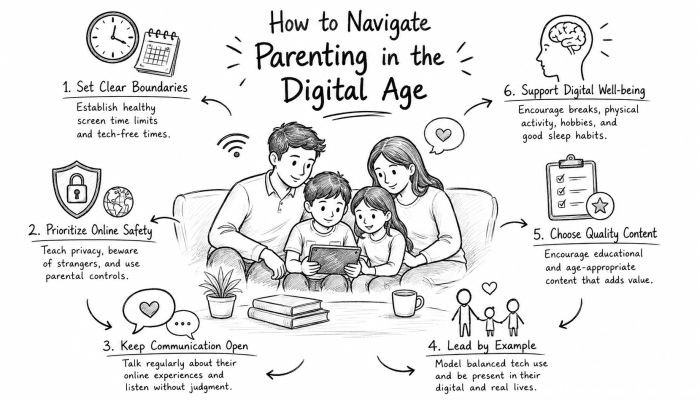 How to Navigate Parenting in the Digital Age
 How to Stay Sane During Family Holiday Gatherings
 How to Create a Family Calendar for Better Time Management
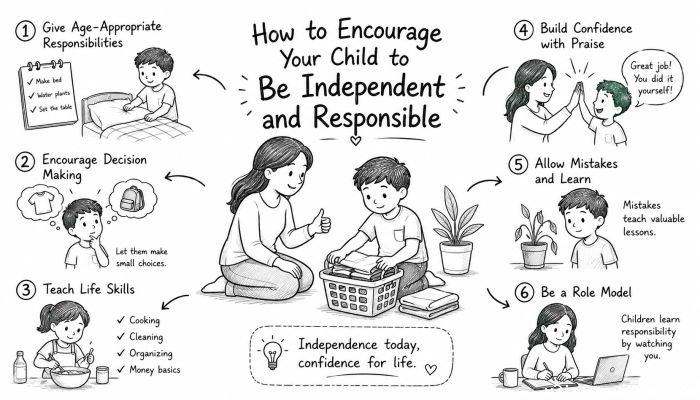 How to Encourage Your Child to Be Independent and Responsible