How to Integrate Mindfulness Practices Into the Classroom
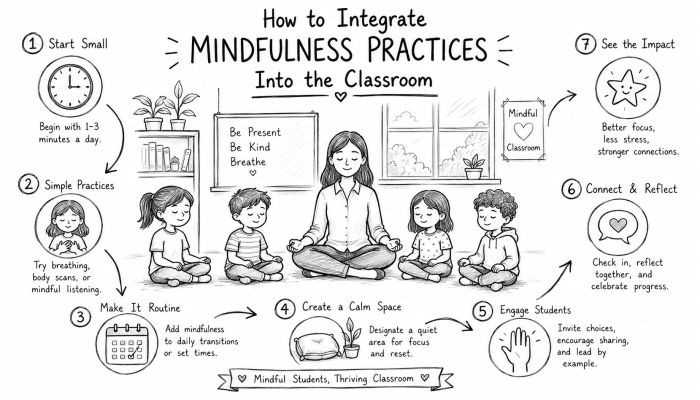
In today’s fast-paced, distraction-filled world, students are under more pressure than ever before. Between academic expectations, social challenges, and constant digital stimulation, it’s becoming increasingly difficult for young minds to stay focused, calm, and emotionally balanced. This is where mindfulness in the classroom becomes not just helpful—but essential. Mindfulness is the practice of being fully present and aware, without judgment. When integrated into education, it helps students improve concentration, manage stress, and develop emotional intelligence. The best part? It doesn’t require major changes—just small, consistent practices woven into daily routines. In this guide, we’ll explore practical and effective ways to integrate mindfulness into the classroom, creating a learning environment that supports both academic success and emotional well-being.
- Understanding Mindfulness in Education
- Starting with Simple Breathing Exercises
- Creating a Calm Classroom Environment
- Incorporating Mindful Moments into Daily Routine
- Teaching Emotional Awareness
- Using Guided Meditation and Visualization
- Encouraging Mindful Listening
- Integrating Movement and Mindfulness
- Managing Stress and Anxiety in Students
- Building Consistency Through Practice
- Encouraging Teacher Participation
- Measuring the Impact of Mindfulness
- Conclusion
- More Related Topics
Understanding Mindfulness in Education
Before implementing mindfulness practices, it’s important to understand what mindfulness truly means in an educational context. It’s not about meditation alone—it’s about awareness, presence, and intentional focus.
In the classroom, mindfulness helps students become more aware of their thoughts, emotions, and surroundings. It encourages them to respond thoughtfully rather than react impulsively. When teachers understand this foundation, they can introduce mindfulness in a way that feels natural and meaningful rather than forced.
Starting with Simple Breathing Exercises
One of the easiest ways to introduce mindfulness is through breathing exercises. These can be done at the beginning of the class or during transitions.
Simple techniques include:
- Deep breathing (inhale for 4 seconds, exhale for 4 seconds)
- Counting breaths
- Focusing on the rise and fall of the chest
These exercises calm the nervous system and help students reset their focus. Even a few minutes can significantly improve attention and reduce anxiety.
Creating a Calm Classroom Environment
The physical environment plays a crucial role in mindfulness. A cluttered, noisy classroom can make it difficult for students to feel calm and focused.
Consider:
- Soft lighting
- Organized spaces
- Minimal distractions
Adding elements like plants or calming visuals can also enhance the atmosphere. A peaceful environment supports mindful behavior and helps students feel safe and relaxed.
Incorporating Mindful Moments into Daily Routine
Mindfulness doesn’t need a separate time slot—it can be integrated into existing routines.
For example:
- Start the day with a 2-minute quiet reflection
- Take mindful pauses between lessons
- End the day with gratitude sharing
These small moments create consistency and help students develop a habit of mindfulness without feeling overwhelmed.
Teaching Emotional Awareness
Mindfulness helps students recognize and understand their emotions. This is especially important for younger students who may struggle to express how they feel.
Teachers can:
- Encourage students to name their emotions
- Use emotion charts
- Discuss feelings openly
When students become aware of their emotions, they are better equipped to manage them, leading to improved behavior and relationships.
Using Guided Meditation and Visualization
Guided meditation can be a powerful tool in the classroom. It involves leading students through calming scenarios or visualizations.
For example:
- Imagining a peaceful place
- Visualizing success before a test
- Relaxing the body step by step
These practices help reduce stress and improve focus. Short, age-appropriate sessions can make a big difference in students’ mental well-being.
Encouraging Mindful Listening
Listening is a skill that often gets overlooked. Mindful listening teaches students to fully focus on what others are saying without interrupting or judging.
Activities can include:
- Listening to sounds in the environment
- Pair discussions where one student speaks and the other listens
- Reflecting on what was heard
This improves communication skills and fosters respect among students.
Integrating Movement and Mindfulness
Mindfulness is not limited to stillness—it can also involve movement. Activities like yoga or stretching can help students connect with their bodies.
Simple practices:
- Stretching exercises
- Mindful walking
- Light yoga sessions
These activities release physical tension and improve focus, especially for students who find it hard to sit still for long periods.
Managing Stress and Anxiety in Students
Academic pressure and personal challenges can lead to stress and anxiety in students. Mindfulness provides tools to cope with these feelings.
Techniques include:
- Breathing exercises during stressful moments
- Positive affirmations
- Journaling thoughts
By teaching these skills, educators empower students to handle challenges more effectively, both inside and outside the classroom.
Building Consistency Through Practice
Mindfulness is not a one-time activity—it requires consistency. The benefits become visible only when practiced regularly.
Teachers should:
- Incorporate mindfulness daily
- Keep practices simple and short
- Be patient with progress
Over time, these small efforts lead to significant improvements in focus, behavior, and emotional well-being.
Encouraging Teacher Participation
Students are more likely to embrace mindfulness if teachers actively participate. When educators model calmness and awareness, it creates a powerful influence.
Teachers can:
- Practice mindfulness themselves
- Share their experiences
- Lead by example
This builds trust and makes mindfulness feel authentic rather than instructional.
Measuring the Impact of Mindfulness
To understand the effectiveness of mindfulness practices, it’s important to observe changes in students.
Look for:
- Improved focus and attention
- Better emotional regulation
- Reduced classroom disruptions
Feedback from students can also provide valuable insights. Over time, mindfulness creates a more positive and productive learning environment.
Conclusion
Integrating mindfulness practices into the classroom is not about adding extra work—it’s about transforming the way students learn and experience education. By introducing simple techniques like breathing exercises, mindful listening, and emotional awareness, teachers can create a supportive environment that nurtures both academic and personal growth.
The impact of mindfulness goes beyond the classroom. It equips students with lifelong skills—helping them manage stress, stay focused, and build meaningful relationships. In a world that often feels overwhelming, mindfulness offers a sense of balance and clarity.
Start small, stay consistent, and lead with intention. Because when students learn to be present, they don’t just become better learners—they become more aware, confident, and resilient individuals ready to face the future.
 How to Make the Most of Your Holiday Break
 The Best Winter Destinations for a Cozy Getaway
 How to Organize Your Holiday Travel Plans with Ease
 The Ultimate Guide to Cooking for a Crowd
 How to Make Healthy Comfort Food Without the Guilt
 5 Delicious Vegan Breakfast Ideas You Can Make in Minutes