How to Create a Family Vision Board for the Year Ahead
Tips For Making A Vision Board With Your Family
- Assemble Your Family
- Understand the Vision Board’s Purpose
- Gather Your Family for a Vision Board Session
- Select Your Vision Board Materials
- Identify Core Family Values
- Brainstorm Goals and Dreams (Individual and Collective)
- Choose Images and Words that Inspire
- Design the Layout Together
- Assemble the Vision Board Step-by-Step
- Place the Vision Board Where it’s Easily Visible
- Schedule Regular Family Check-Ins
- Use the Vision Board to Develop Positive Habits
- Encourage Creativity and Self-Expression
- Create a Digital Family Vision Board Instead
- Conclusion: Commit to your Family’s Shared Future
- More Related Topics
Assemble Your Family
In today’s busy, hectic world, families can easily get caught up in schedules and distractions. But it’s a great idea to work on a shared family vision board project. A vision board for families is a fun, creative and visual tool for everyone to get on the same page about hopes and dreams for the year ahead. Whether you want to focus on family health, education, travel or spending quality time together, a vision board can provide inspiration and clarity. Making a vision board as a family can also bring family members closer and build communication and cooperation.

Understand the Vision Board’s Purpose
Before you begin, take a moment to help your family understand why a vision board can be so powerful. A family vision board is different from individual goal-setting. It allows families to dream together, take shared responsibility for those dreams and support one another. With a vision board prominently displayed in the home, your family has a daily reminder of goals and dreams to help inspire and motivate teamwork. The process of creating the board together also improves family relationships. Contributing their ideas and hopes lets every family member know they are important and deepens emotional bonds. By turning abstract goals into a visual board, your family can also focus on making those goals a reality.
Gather Your Family for a Vision Board Session
Begin with gathering all family members in a space where you can work together without distractions. It might be a weekend morning when kids are refreshed and parents have the time. Or try a relaxed evening after dinner. Close to bedtime might seem counterproductive, but if family members are tired and cranky, you won’t have fun or be as creative. Find a time when everyone is most likely to be in a good mood and ready to concentrate on the task. Turn off phones and televisions and let the kids choose snacks and music to play while you work on the vision board. Starting with a motivated and excited family is key to a successful project.
Select Your Vision Board Materials
The best family vision board materials are those that spark creativity and are fun to look at and add to throughout the year. Poster boards or corkboards make great foundation for vision boards. Old magazines are great for cutting out images, and colored markers, glue sticks, scissors, stickers, and printed photos can all be used to customize your family’s vision board. Many families also create digital vision boards using apps or online digital collage programs. These are easy to share and update and can include videos and music as well as images and words. Provide a variety of options to let family members’ imaginations run wild, but don’t overdo it. Keep materials and steps simple enough that everyone can participate.
Identify Core Family Values
Help your family identify the core values that will anchor their board and guide them through the year. For some, it might be kindness, or health or fun or travel or learning. You might focus on values as the main theme or use the core values as categories for board sections. Taking time to identify and discuss your family’s key values before or during the vision board session gives family members intentionality in the rest of the process. It also helps ensure the finished board really resonates with your family’s shared sense of purpose. For example, if “health” is a core value, the board may include fruits and vegetables, exercise and a family hiking together.
Brainstorm Goals and Dreams (Individual and Collective)
Once your family is gathered and materials are ready, it’s time to get creative. Start by asking every member to write down or speak about their hopes and goals for the year. Individual and family goals are important, and every member’s dreams are valid. Use paper or whiteboards to brainstorm and mind map goals. Ideas could include family road trips, better grades or more community service. It’s also helpful for family members to identify ideas for others. Younger children will need more support and guidance, but it’s essential to keep the process judgment-free and inclusive. The goal is to have fun and support every member in expressing their hopes and desires.
Choose Images and Words that Inspire
After you have collected goals and dreams, the family can search for images, words or phrases that visually represent those goals. Magazines, print media or online images can be sources of photos and drawings. Encourage everyone to work together, asking open-ended questions to get conversation flowing. For example, ask kids or partners why a certain photo made them think of a certain goal. This also encourages everyone to stay engaged in the process. Inspirational words and phrases such as “growth”, “adventure” or “balance” can be written or printed and included on the vision board. Bold fonts are motivating and capture attention.
Design the Layout Together
With all the images, words, and inspiration you need for the vision board, it’s time to design the layout. Plan to organize the board by individual goals, by family goals or by core values. Some families like to divide the board into sections for clarity, while others like an integrated collage. If children are small, it might help to have different sections. With an open mind, let everyone help and create an overall design that inspires the entire family and is legible to all ages. Remember, your vision board is a collaboration of all members and their personalities should be represented in the final visual.
Assemble the Vision Board Step-by-Step
Now it’s time to cut out images and glue and arrange them on the board. Cut and arrange ideas and images together so you can give and receive support and ideas. Apply glue and arrange sections as you go to make the assembly a fun process that involves everyone. This stage is also an excellent time to write out small reminders or special notes with markers or stickers. After everything is in place and ready to go, step back and admire everyone’s hard work. Once dry, the finished product can be proudly displayed as a source of inspiration and unity.
Place the Vision Board Where it’s Easily Visible
Creating the vision board is only the first step. The family should place the board in a prominent location, where everyone can see it each day. In the kitchen, living room or hallway are all good spots. The goal is to have the vision board serve as a daily reminder of goals and dreams to inspire family members to work together and celebrate success. Seeing the board each day also will help family members remember goals and have regular conversations about the family’s progress.
Schedule Regular Family Check-Ins
Schedule regular check-ins to help your family stay on track, such as monthly or quarterly reviews. These can be opportunities for the family to share progress and discuss changes if necessary. Encouraging everyone to contribute their reflections and experiences will help build communication and keep the family connected and working together. When your family’s circumstances change, such as a new home or baby, check-ins are also an opportunity to update the vision board.
Use the Vision Board to Develop Positive Habits
Vision boards can help families build positive habits and routines that support their dreams and goals. If a goal is healthier eating, for example, the family may want to commit to cooking together on weekends. If traveling is a goal, the family can have regular discussions about planning and saving for trips. The vision board becomes a tool to help your family turn aspirations into actionable plans that guide daily life and lead to a greater sense of fulfillment.
Encourage Creativity and Self-Expression
Individual creativity should be encouraged during the vision board process to make it a valuable and expressive experience for everyone. As children and other family members add their touches with drawings or handwriting, they will feel ownership and pride in the project. When the vision board contains a rich variety of personal touches, it’s more enjoyable for the family to view regularly. Honoring self-expression and individuality also helps young children feel included and develop confidence as they see their contributions to the family unit.
Create a Digital Family Vision Board Instead
Not everyone can gather as a family, and some families may be more comfortable with technology. Digital vision boards allow families to work together by sharing images, keywords and notes online. Pinterest, Canva and shared Google Slides are all great options for digital vision boards. These tools allow any family member to upload pictures and words, change the board and add text at any time. Online boards can be customized with video clips and music as well as images and words. If your family travels, is divorced or has very young children, a digital vision board may be a better option.
Conclusion: Commit to your Family’s Shared Future
A family vision board is a great way to bring the family together in the new year with clarity, commitment and connection. Transforming wishes into visible goals that the whole family can see, a vision board brings your family closer together. Making a vision board is a process in which the family can work together to express their goals and dreams and build a plan to make them happen. This shared work improves communication, builds teamwork and lets every member know they are valued and heard. Checking in on the board regularly builds momentum and helps the family face challenges as a unit. By making a vision board each year, your family is also building a lasting foundation for family success.
 Big O Notation Explained for Beginners
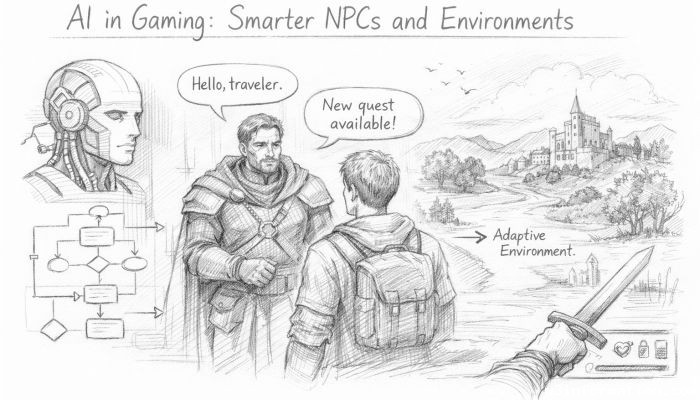 AI in Gaming: Smarter NPCs and Environments
 Understanding Bias in AI Algorithms
 Introduction to Chatbots and Conversational AI
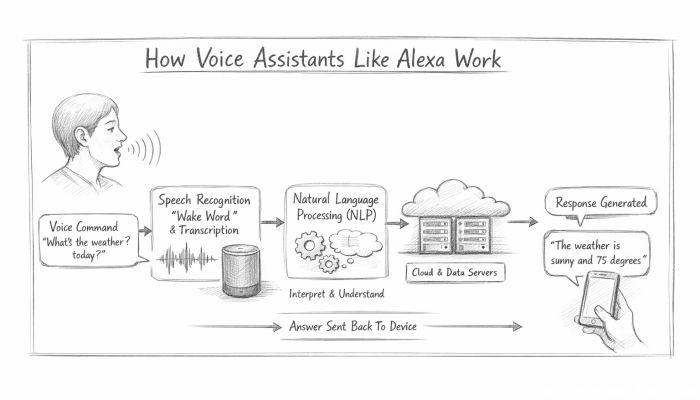 How Voice Assistants Like Alexa Work
 Federated Learning: AI Without Sharing Data