How to Make Your Family’s Daily Routine More Efficient
Balancing work, school, chores, and quality family time is like a high-wire act for modern families. Mornings are rushed, evenings hectic, and somewhere in between vital tasks get lost. Parents crave some semblance of routine without feeling shackled by it. They long to glide from day to night smoothly with less stress, frustration, and lost time. This is where an efficient, family-centric routine helps. With strategic planning, simple shifts, and teamwork, any family can streamline their day, enhance productivity, and reclaim harmony at home. This article shares practical, research-based tips for optimizing your family’s daily routines with efficiency and grace.
- Assess Your Current Routine and Identify Bottlenecks
- Establish Clear Roles and Responsibilities
- Implement a Structured Morning Routine
- Optimize Meal Planning and Prep
- Use Technology to Your Advantage
- Schedule Quality Family Time Strategically
- Create an Evening Wind-Down Routine
- Encourage Flexibility Within Structure
- Delegate and Outsource When Possible
- Establish Consistent Communication Channels
- Streamline Errands and Appointments
- Regularly Evaluate and Adjust Your Routine
- Conclusion: Efficient Routines Lead to Happier, Healthier Families
- More Related Topics
Assess Your Current Routine and Identify Bottlenecks
Before you can optimize, you need to understand your current routine. Spend a week tracking each day phase: morning, school/work commute, home tasks, meal times, afternoon, evening, and bedtime. Note when it tends to get delayed, chaotic, or causes arguments or stress. Is breakfast rushed, homework forgotten, or bedtime contentious? Understanding these current pain points will guide you in making specific changes instead of applying generic advice. Consider journaling or visualizing the day with charts. Mapping out your routine helps spot time-wasters, stressors, and places where efficiency can improve. By taking inventory of how your family currently spends the day, you can better target small tweaks to enhance each stage.
Establish Clear Roles and Responsibilities
Efficiency hinges on shared expectations in any group. Assign age-appropriate roles and household responsibilities to each family member. Children can be in charge of their school bags, setting the table, and pet care; adults focus on food prep and management tasks. A chore chart or digital calendar visual can help everyone see their duties, increasing accountability. When each person has designated tasks, chores get done faster and smoother. Clarity of roles also reduces arguments and conflict, creating a cooperative household team. The more involved every family member is in daily responsibilities, the more efficient the home operations.

Implement a Structured Morning Routine
The day starts with your morning routine, so it sets the tone. Have a standard, streamlined process for getting up, eating breakfast, packing school/work bags, and leaving on time. Spend prep time the night before organizing bags, setting out clothes, or portioning breakfast items. Consider timers or checklists to keep children on schedule while building life skills. Reducing morning chaos supports a more efficient home day. Taking time each morning to ensure calm order gives the whole family a sense of control, which calms minds and increases efficiency.
Optimize Meal Planning and Prep
Meal times can be a bottleneck in any busy family schedule. Planning and streamlining food prep saves valuable hours each week. Spend a few minutes each Sunday planning your meals, prepping ingredients, and finding simple recipes. Consider using slow cookers or one pot dishes for hands-off evenings. The whole family can help prepare and serve meals, making cooking less daunting and faster. Assign children to set the table, wash produce, mix ingredients, or lay out serving dishes. Staying organized with ingredients and schedules also helps efficiency. With more streamlined meal routines in place, your family can eat better and reclaim time together.
Use Technology to Your Advantage
Technology can be a powerful ally in making family routines more efficient when used intentionally. Use shared digital calendars, task management apps, and reminder alerts for appointments, homework, chores, and activities. Smart home devices can even automate certain household tasks like laundry or lighting schedules. Online banking or shopping also saves time on errands. Video conferencing and voice-to-text tools speed communication and reduce logistical hassles. Mindful use of these tools can dramatically cut confusion, double-booked events, and wasted time for your family.
Schedule Quality Family Time Strategically
Quality family interactions should be part of your routine for connection and happiness. Aim for a few dedicated minutes or more of intentional family time each day. Whether after dinner or right before bedtime, schedule short family activities, games, or conversations. Treat these times like appointments to avoid skipping due to busyness. Consistent, quality connections also deepen your family relationships and overall satisfaction. In a well-planned routine, quality time should be sacred for individual and family health.
Create an Evening Wind-Down Routine
As mornings begin the day, your evenings set up how smoothly the next day starts. A predictable wind-down routine ensures children and adults get prepared for bedtime rest. Lay out clothes for the next day, tidy up, complete any outstanding homework, and take a few minutes together. Calming activities and reducing screen time in the evening lower stress and help sleep. Your children will start fresh next day without having to oversleep or rush. Setting the stage with a smooth bedtime routine prevents evening chaos and also makes mornings less hectic.
Encourage Flexibility Within Structure
While routines provide essential structure for families, inflexible adherence causes more problems. Traffic jams, unexpected errands, or personal mood shifts can derail plans quickly. Flexibility allows you and your children to adjust and adapt as needed. This may mean calmly shifting schedules around certain tasks or sharing buffer times between activities. Encouraging children to roll with changes graciously and view new solutions as a challenge builds adaptability. The key is to have routines but also teach everyone to cope with unanticipated shifts in daily life. Planning for flexibility within family structures maintains efficiency while reducing stress.
Delegate and Outsource When Possible
Parents want to do everything for their families, but efficiency requires recognition of limits. Some chores can be outsourced or assigned to children to save parents time and energy. Grocery delivery, laundry services, or occasional cleaning help can be options. Delegating doesn’t mean shirking responsibility but being realistic about time and skill demands. Parental time can then be prioritized for work and family activities that need their direct attention. Sharing tasks around the home also teaches children responsibility. Delegation outside the immediate family supports in-house efficiencies as well.
Establish Consistent Communication Channels
Efficient routines rely on strong communication within families. Morning huddles, family meetings, or shared message boards keep everyone updated. Communicate changes in schedule, events, or reminders so all understand. Encourage children to share concerns, make requests, and participate in problem-solving. Transparent communication prevents misinterpretations, ensures accountability, and helps planning. Over time, these communication channels become natural parts of your family routines. Consistent communication at home creates both smooth operations and harmony.
Streamline Errands and Appointments
Errands, after-school activities, and family appointments easily clutter up a family routine. Combining errands by area, scheduling recurring on the same weekly day, and using reminder apps help. Try carpooling or grouping similar activities to reduce the number of trips. Pre-planning errands on off-hours also saves time. Efficient scheduling and completion of errands create more margin for families. By purposefully reducing the number of trips out of the home, there is more energy and time to focus on family activities and responsibilities.
Regularly Evaluate and Adjust Your Routine
Children grow and schedules change, so periodic evaluation of your routine is essential. Periodically ask every family member what’s working or stressful in your current systems. Small adjustments to chore times, allocations, or planning tools may be necessary. Discuss changes with everyone for ideas and buy-in. By evaluating routines every few months, you can refresh them to better fit your family’s current needs. Regularly refining the way your family spends the day keeps your routines effective and engaging for everyone over time.
Conclusion: Efficient Routines Lead to Happier, Healthier Families
Achieving an efficient family routine is less about strict schedules and more about strategic organization, shared planning, and ongoing adaptations. Assessing current habits, defining responsibilities, structuring mornings/evenings, meal prep, using technology, and scheduling family time together smooth the home day. Open communication and periodic evaluation ensure your systems continue to meet your family’s needs. Small consistent improvements over time build calm, predictable routines that work for everyone. The joy of a family working together for greater efficiency is the reward of happier, more connected, and resilient family life.
 Big O Notation Explained for Beginners
 AI in Gaming: Smarter NPCs and Environments
 Understanding Bias in AI Algorithms
 Introduction to Chatbots and Conversational AI
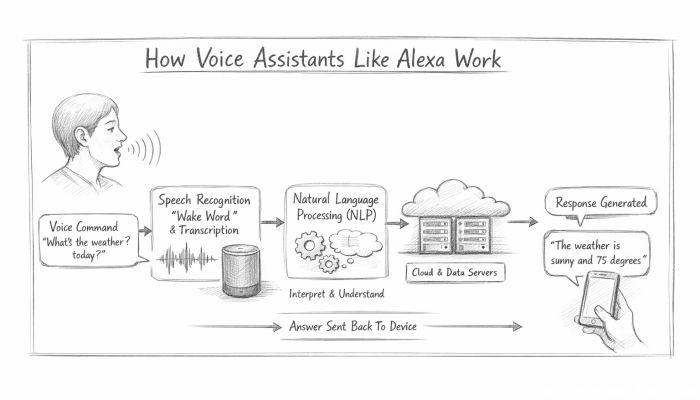 How Voice Assistants Like Alexa Work
 Federated Learning: AI Without Sharing Data