How to Deal with Stress as a Working Parent
Being a working parent often feels like living two full lives at once. One moment you’re answering emails or meeting deadlines, and the next you’re helping with homework, preparing meals, or calming a child who’s had a long day. The constant switching of roles can be emotionally and physically exhausting. Many working parents carry silent guilt — guilt for not being fully present at work, and guilt for not being fully present at home. Over time, this pressure builds into stress that feels inescapable. But stress doesn’t have to define your parenting journey or your professional life. With the right mindset, practical strategies, and self-compassion, it’s possible to manage stress in a healthier, more sustainable way. This article explores realistic, human-centered approaches to dealing with stress as a working parent — without pretending that life is perfectly balanced.
- Understanding Why Stress Hits Working Parents So Hard
- Letting Go of the Myth of Perfect Balance
- Redefining Success at Work and at Home
- Creating Realistic Daily Routines
- Learning to Ask for and Accept Help
- Setting Boundaries Between Work and Family
- Making Space for Emotional Decompression
- Managing Guilt Without Letting It Control You
- Prioritizing Your Physical Health Without Pressure
- Teaching Children About Stress and Emotions
- Letting Go of Comparison and External Pressure
- Knowing When to Seek Professional Support
- Building Small Moments of Joy Into Your Day
- Conclusion
- More Related Topics
Understanding Why Stress Hits Working Parents So Hard
Stress for working parents is rarely caused by a single issue. It’s the accumulation of responsibilities, expectations, and emotional labor. You’re expected to perform professionally while also being emotionally available at home. There’s little room for rest, and even less room for mistakes. Society often celebrates “doing it all,” but rarely acknowledges the toll it takes. Recognizing that your stress is a natural response — not a personal failure — is the first step toward managing it more effectively.

Letting Go of the Myth of Perfect Balance
One of the biggest sources of stress is the belief that work and family must always be perfectly balanced. In reality, balance shifts constantly. Some weeks work will demand more attention; other times, family needs will come first. Accepting this ebb and flow reduces guilt and unrealistic self-pressure. Balance isn’t about equal time — it’s about intentional presence where you are, without mentally punishing yourself for where you’re not.
Redefining Success at Work and at Home
Stress often comes from chasing definitions of success that aren’t sustainable. At work, success doesn’t mean being available 24/7. At home, it doesn’t mean being a flawless parent. Redefining success as “doing my best with the resources I have today” creates emotional breathing room. When expectations become humane, stress becomes manageable.
Creating Realistic Daily Routines
Structure can be a powerful stress reliever — when it’s realistic. Instead of overloading your day with ambitious schedules, focus on a few non-negotiables. Build routines that support energy, not perfection. Morning chaos, for example, can often be reduced by small changes like preparing clothes or lunches the night before. Simple routines reduce decision fatigue and create a sense of control in an otherwise busy life.
Learning to Ask for and Accept Help
Many working parents believe they should handle everything alone. This mindset is a major stress amplifier. Whether it’s asking a partner to share responsibilities, leaning on extended family, hiring help when possible, or coordinating with other parents, support matters. Accepting help isn’t weakness — it’s wisdom. No one was meant to parent and work in isolation.
Setting Boundaries Between Work and Family
Blurred boundaries are one of the biggest stress triggers for working parents, especially in a digital world. Constant notifications and after-hours emails make it hard to truly switch off. Setting clear boundaries — such as defined work hours or device-free family time — protects your mental health. Boundaries don’t make you less committed; they make you more sustainable.
Making Space for Emotional Decompression
Stress doesn’t disappear on its own — it needs an outlet. Many parents jump straight from work mode into family responsibilities without any transition time. Even ten minutes to breathe, stretch, walk, or sit quietly can help your nervous system reset. These small pauses prevent emotional overload and help you show up more calmly for your family.
Managing Guilt Without Letting It Control You
Parental guilt is one of the heaviest emotional burdens working parents carry. Guilt for missing events, for relying on screens, for feeling tired, for wanting personal time. The truth is, guilt doesn’t make you a better parent — awareness does. Instead of asking, “Am I doing enough?” ask, “Am I showing love, consistency, and care?” Children don’t need perfection; they need connection.
Prioritizing Your Physical Health Without Pressure
When stress builds, physical health often takes a back seat. Sleep becomes irregular, meals become rushed, and movement disappears. You don’t need an intense fitness plan to feel better. Gentle movement, adequate hydration, and consistent sleep routines make a noticeable difference. Taking care of your body isn’t selfish — it’s foundational to managing stress and sustaining energy.
Teaching Children About Stress and Emotions
Working parents often try to hide stress from their children, but age-appropriate honesty can be powerful. Talking about emotions models emotional intelligence and resilience. When children see you managing stress — taking breaks, expressing feelings, asking for help — they learn healthy coping strategies. This not only reduces your stress but strengthens your relationship with your child.
Letting Go of Comparison and External Pressure
Social media and cultural expectations can quietly increase stress by encouraging comparison. Other families may look more organized, more relaxed, or more successful — but you’re only seeing highlights. Every family has struggles. Focusing on what works for your household rather than measuring yourself against others helps reclaim emotional peace.
Knowing When to Seek Professional Support
Sometimes stress becomes chronic, overwhelming, or emotionally draining. If you feel constantly exhausted, irritable, anxious, or disconnected, seeking professional support is a sign of strength. Therapists, counselors, and support groups provide tools and perspective that friends and family may not. Mental health care is not a last resort — it’s proactive self-care.
Building Small Moments of Joy Into Your Day
Stress management isn’t only about reducing pressure — it’s also about increasing joy. Small moments matter: a shared laugh, a quiet cup of tea, a bedtime hug, a song in the car. These moments anchor you emotionally and remind you why you’re doing all of this. Joy doesn’t require more time — it requires attention.
Conclusion
Being a working parent is demanding, emotional, and often overwhelming — but it’s also deeply meaningful. Stress is not a sign that you’re failing; it’s a signal that you’re carrying a lot. By letting go of perfection, setting boundaries, asking for help, and caring for yourself with compassion, stress becomes something you manage rather than something that defines you. There will be hard days, messy routines, and moments of doubt — and that’s okay. What matters most is showing up with love, intention, and humanity. When you take care of yourself, you don’t just survive working parenthood — you grow through it.
 Big O Notation Explained for Beginners
 AI in Gaming: Smarter NPCs and Environments
 Understanding Bias in AI Algorithms
 Introduction to Chatbots and Conversational AI
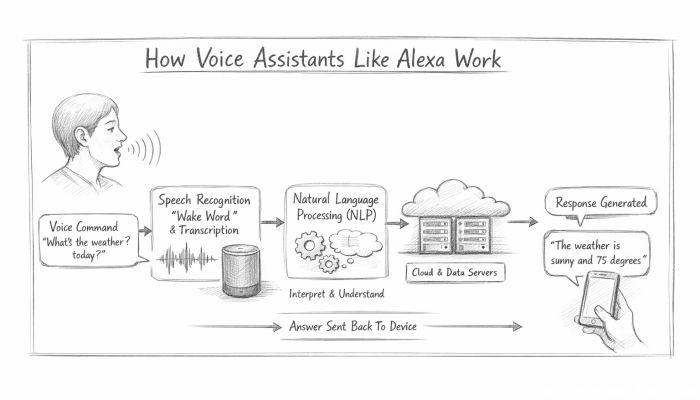 How Voice Assistants Like Alexa Work
 Federated Learning: AI Without Sharing Data