How to Teach Your Kids Financial Literacy Early
Money is one of the most powerful tools your child will ever learn how to use—and most of us learned how to use it through a painful trial and error process. Financial literacy is one of the few things not taught in elementary school, but money and habits start forming early on in childhood. How kids think about money—and how they learn to earn, save, spend, and share it—often sets them up for similar patterns as an adult. Parents and caregivers can play a huge role in teaching financial literacy early before misconceptions and bad habits take hold. When children learn to connect value with effort, patience, and choice, they gain financial tools that also teach invaluable life skills. In this article, we break down actionable, age-appropriate, and human-centered ways to teach kids financial literacy early on—by making the most of everyday moments, meaningful conversations, and simple, real-world experiences that help children gain confidence, responsibility, and set them up for long-term financial health.
Why Teaching Kids Financial Literacy Should Start Early
Kids start forming money beliefs earlier than many parents realize. By the time they enter their teenage years, many of their financial beliefs are already formed—including spending habits, saving tendencies, and emotional responses to money. Teaching financial literacy early provides a solid foundation before misconceptions about money take root.
Helping children learn early to manage money builds financial confidence, encourages independence, and can prevent major financial mistakes down the road. If kids are used to talking about money, parents, and earning it, they are far less likely to be fearful or unprepared when it’s time to make big financial decisions as an adult.
Teaching Kids About the Value of Money, Not Just the Amount
One of the most important lessons in financial literacy is teaching kids the value of money—not just the amount. Kids can have the latest toys, gadgets, and video games in their lives but still think money just magically appears in parents’ wallets or bank cards. Helping children connect money with effort and time changes everything.
Discuss with your kids how money is earned through work, time, and skills. Involve kids in your work when appropriate, talk to them about what you do, and explain how much effort it takes to earn income. Visualize what a paycheck means in terms of time and energy spent. Learning that money represents many hours of life helps kids become more intentional with spending and more appreciative of financial value.

Allowances Are a Teaching Tool, Not a Reward
Allowances are a powerful teaching tool, but too many parents only use them as a transactional reward for completing household chores. Rather than using an allowance as payment, consider it a chance for kids to practice budgeting and decision-making. This approach gives kids the chance to learn to manage a set amount of money over time.
Use part of the allowance for saving, another portion for spending, and allow kids to decide how to split the money. Kids can also learn from small financial mistakes, like spending the money too soon. This helps children learn without major consequences while building a foundation of positive financial habits.
Saving Takes Patience and Goals
Saving is one of the hardest financial habits to teach, but it’s also one of the most important. Teaching children how to save early in life instills patience, discipline, and goal-setting abilities.
Set a clear savings goal with your child, whether a small toy or a big-screen television. Monitor progress visually with jars, charts, or money apps. Celebrate reaching small milestones along the way. Kids build a sense of accomplishment and see their savings grow through repeated positive experiences. Delayed gratification eventually becomes its own reward.
Teach Spending Thoughtfulness and Trade-Offs
Every time we spend money, we choose something over something else. Most children can grasp the concept of a trade-off earlier than parents give them credit for. By teaching kids to think through spending decisions, parents can instill more intentionality.
Before kids buy something, ask them guiding questions like “Is this worth your money?” or “What are you giving up by spending on this item?” Framing choices in terms of trade-offs encourages thoughtfulness without guilt or shame. Slowly, kids internalize that mindful spending decisions lead to more satisfaction than impulse purchases.
Generosity and Giving Are Key Parts of Financial Literacy
Financial literacy isn’t just about earning and saving. It’s also about values. Teaching generosity and giving to kids instills a sense of how money can be used for positive social impact. Generosity builds empathy, gratitude, and purpose.
Encourage children to give a portion of their money to a cause they care about. Charitable donations, community projects, and even helping a family member in need can all be powerful lessons for kids. When kids see how money can make a meaningful difference, they learn it’s not just about individual accumulation.
Use Everyday Situations as Opportunities to Teach Money Lessons
Kids don’t need structured money lessons to learn about financial literacy. In fact, many of the best opportunities happen in everyday life. Grocery shopping, paying for a bill, planning a vacation, or comparing product prices all provide teachable moments.
Explain to kids why you choose one brand over another, how discounts work, or how budgeting helps to stretch money to cover essential needs. Let children help when appropriate and explain the reasoning behind your financial decisions. When kids see real-life examples, it makes the learning concrete. Financial lessons feel relevant and less forced.
Kids Need Basic Banking and Digital Money Education
Cash is disappearing from daily life, so kids also need to understand digital forms of money. Basic banking education early on demystifies how money moves around in the modern economy.
Open a child-friendly savings account and explain how deposits, withdrawals, and interest work. Explain the difference between debit and credit cards and the responsibility that comes with borrowing. Kids should understand digital financial systems and have confidence navigating them later in life.
Model Healthy Financial Habits as Parents
Parents are the biggest teachers when it comes to money. If kids see parents acting stressed, secretive, or irresponsible about money, they’ll likely imitate these behaviors. Purposeful financial modeling is one of the most effective ways to teach kids financial literacy.
Talk openly about budgeting, saving, and planning. Practice financial restraint when making purchases, and verbalize your reasoning. Admit your financial mistakes and share what you learned from them. When kids see adults handle money well, they learn to manage it better, too.
Help Kids Connect Earning with Work Ethic and Value
Earning money provides an excellent foundation for kids to learn responsibility and feel pride in their contributions. Age-appropriate earning opportunities for children can involve helping neighbors, contributing to family tasks, or doing creative projects. Helping kids see that money is a result of effort provides the foundational work ethic they need to succeed in life.
Kids will learn through earning that money is not free and must be earned by adding value. These are important life lessons that earn them the money they can later manage through all the other financial literacy skills listed here.
Teach Kids to Think Long-Term, Delay Gratification
Delayed gratification is one of the most valuable skills a child can learn. The ability to wait now to receive something better in the future is a significant factor in long-term financial success and emotional well-being.
Parents can use simple examples to explain the value of long-term thinking, like building up to a bigger savings goal instead of making a smaller purchase right away. Reward children for patience and thoughtful choices. Over time, kids will develop the skill to wait for bigger rewards and make more considered spending decisions.
Financial Literacy Lessons Must Evolve with Age
Money education must grow and adapt as a child gets older. Teaching your five-year-old financial literacy is not the same as teaching a fifteen-year-old. As kids mature, parents and caregivers can build upon their existing foundation to layer in more complex topics.
Teach older kids about setting budgets for bigger goals, managing regular payments, understanding taxes, and balancing part-time work with school responsibilities. Involving teens in family financial discussions is an appropriate step to gradually increase their responsibilities. By slowly increasing responsibility, parents give children the chance to build competence and confidence to set them up for success in adulthood.
Conclusion
Teaching your children financial literacy early is one of the most valuable gifts you can provide for their future. Instilling confidence, responsibility, and the ability to make informed financial choices is essential in a world where money touches nearly every facet of life. Everyday moments, meaningful conversations, and age-appropriate real-world experiences are the key ingredients in how children learn to manage money. When kids understand money is a tool to be used—not a source of fear or entitlement—they become better prepared not just to earn, spend, and save, but to lead more balanced and meaningful lives. You don’t have to be perfect as a parent or get everything right. Financial literacy is a skill, not a perfect destination. When you focus on progress, awareness, and instilling values, kids absorb these lessons and take them with them for a lifetime. Start small, stay consistent, and remember: the habits you teach your kids today will shape their financial health for decades to come.
W3information helps you to get knowledge about the new information. This site under copyright content belongs to w3information. By using this site, you agree to have read and accepted our
terms of use,
cookie and privacy policy.  Big O Notation Explained for Beginners
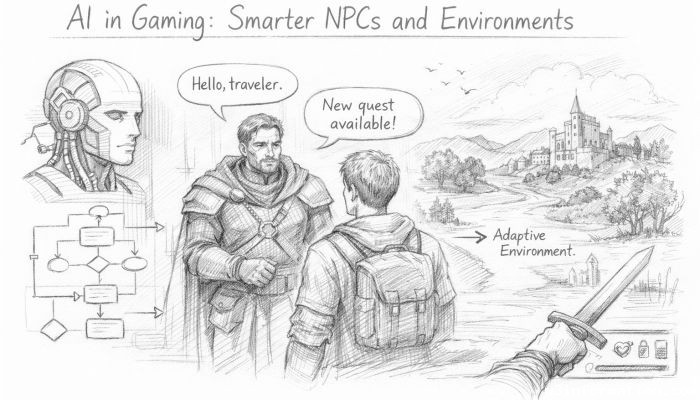 AI in Gaming: Smarter NPCs and Environments
 Understanding Bias in AI Algorithms
 Introduction to Chatbots and Conversational AI
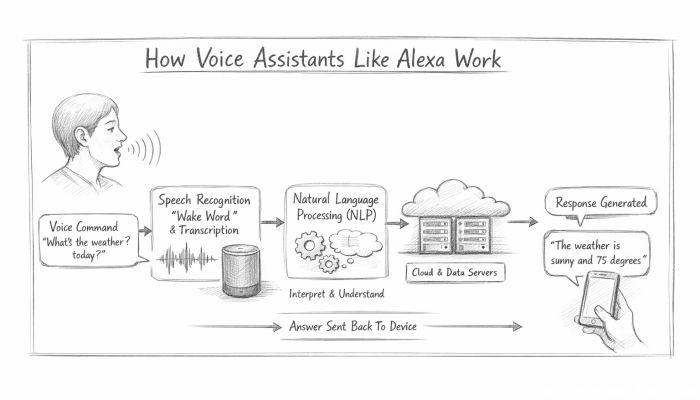 How Voice Assistants Like Alexa Work
 Federated Learning: AI Without Sharing Data